Comparing Wired vs Wireless Home Alarm Systems
Understand the pros and cons of wired and wireless home alarm systems to choose the best fit for your property.
Understand the pros and cons of wired and wireless home alarm systems to choose the best fit for your property.
Comparing Wired vs Wireless Home Alarm Systems
When it comes to securing your home, choosing the right alarm system is a crucial decision. Two primary types dominate the market: wired and wireless home alarm systems. Both offer distinct advantages and disadvantages, and the 'best' choice often depends on your specific property, budget, and security needs. This comprehensive guide will delve deep into the intricacies of wired and wireless systems, comparing their features, installation processes, reliability, costs, and recommending specific products to help you make an informed decision for your home in the US or Southeast Asia.
Wired Home Alarm Systems Understanding the Basics and Benefits
Wired home alarm systems, as the name suggests, rely on physical wires to connect all components – sensors, control panel, sirens, and keypads. These wires transmit signals and power, creating a robust and often highly reliable security network. Historically, wired systems were the standard, and they continue to be a popular choice for many homeowners, especially those building new homes or undertaking major renovations.
Key Advantages of Wired Alarm Systems Reliability and Security
- Unmatched Reliability: One of the biggest selling points of wired systems is their reliability. Since components are hardwired, they are less susceptible to signal interference from other wireless devices, Wi-Fi networks, or even physical obstructions. This direct connection ensures consistent communication between sensors and the control panel, leading to fewer false alarms and more dependable alerts.
- Enhanced Security Against Tampering: Wired systems are generally more difficult for intruders to tamper with. Cutting a wire would immediately trigger an alarm, and the system doesn't rely on batteries that can be removed or drained. This makes them a formidable deterrent against sophisticated break-ins.
- No Battery Worries: With wired systems, you don't have to worry about changing batteries in individual sensors. All components draw power directly from your home's electrical system, often with a backup battery in the control panel to ensure functionality during power outages. This eliminates a significant maintenance task and potential point of failure.
- Long-Term Durability: Once installed, wired systems are built to last. The physical connections are generally very durable and less prone to wear and tear compared to wireless components that might be moved or exposed to different environments.
- Cost-Effective for New Builds: If you're building a new home or undergoing a major renovation, installing a wired system can be more cost-effective in the long run. The wiring can be integrated seamlessly into the walls, making the installation process less disruptive and potentially cheaper than retrofitting a wireless system later.
Potential Drawbacks of Wired Alarm Systems Installation and Flexibility
- Complex and Costly Installation: The primary disadvantage of wired systems is the installation process. It requires drilling holes, running wires through walls, ceilings, and floors, which can be labor-intensive, messy, and expensive, especially in existing homes. Professional installation is almost always necessary.
- Limited Flexibility and Scalability: Once installed, wired systems are less flexible. Moving sensors or adding new ones can be a significant undertaking, often requiring more drilling and wiring. This makes them less scalable if your security needs change frequently or if you plan to expand your home.
- Aesthetics: While wires can be hidden within walls during new construction, retrofitting can sometimes lead to visible conduits or trunking, which might not be aesthetically pleasing to all homeowners.
- Vulnerability to Power Outages (without backup): While most wired systems have battery backups for the control panel, if the main power is cut and the backup battery fails or is depleted, the entire system can become inoperable.
Wireless Home Alarm Systems Exploring Convenience and Innovation
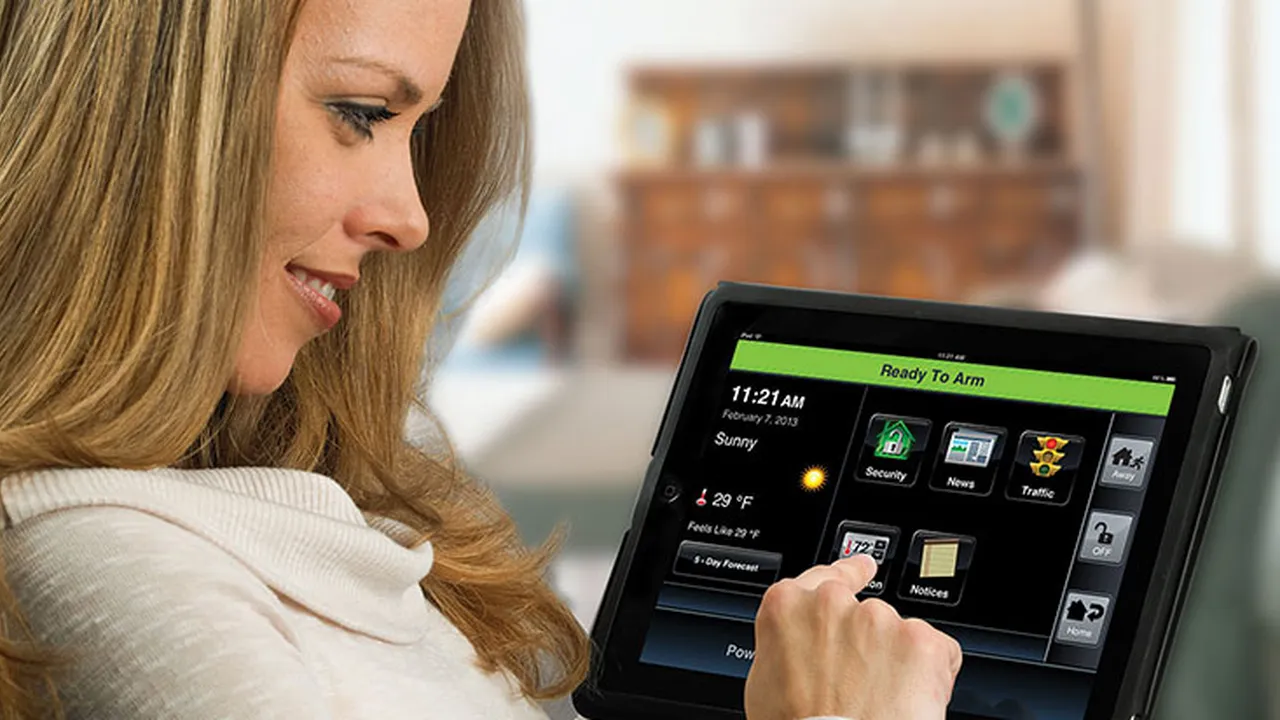
Wireless home alarm systems utilize radio frequencies to communicate between components. Sensors, cameras, and keypads transmit signals wirelessly to a central control panel, which then communicates with a monitoring station or your smartphone. This technology has revolutionized home security, offering unparalleled flexibility and ease of installation.
Key Advantages of Wireless Alarm Systems Ease of Installation and Portability
- Easy and Quick Installation: This is arguably the biggest advantage of wireless systems. Most components are peel-and-stick or screw-in, making DIY installation a viable option for many homeowners. Professional installation is still available but often less complex and therefore less expensive than wired systems.
- High Flexibility and Scalability: Wireless systems are incredibly flexible. You can easily move sensors, add new ones, or reconfigure your system as your needs change. This makes them ideal for renters, those who frequently move, or homeowners who want the option to expand their security coverage over time.
- Aesthetics: With no visible wires, wireless systems offer a cleaner, more discreet look. Components are often compact and blend seamlessly into your home decor.
- Portability: If you move, you can often take your wireless system with you, making it a long-term investment that travels with you.
- Smart Home Integration: Many modern wireless systems are designed with smart home integration in mind, allowing them to connect with other smart devices like smart locks, thermostats, and lighting for a more comprehensive and automated home.
- Remote Monitoring and Control: Wireless systems often come with smartphone apps that allow you to arm/disarm your system, view live camera feeds, and receive alerts from anywhere in the world.
Potential Drawbacks of Wireless Alarm Systems Battery Life and Interference
- Battery Dependence: All wireless components rely on batteries, which need to be replaced periodically (typically every 1-5 years, depending on the device and usage). This adds a recurring maintenance task and cost. If a battery dies, that specific sensor becomes inoperable until replaced.
- Signal Interference: Wireless signals can be susceptible to interference from other wireless devices, thick walls, or even large metal objects. This can sometimes lead to communication issues or false alarms. However, modern wireless systems often use multiple frequencies and advanced encryption to mitigate these issues.
- Security Vulnerabilities: While modern wireless systems are highly secure, there's always a theoretical risk of signal jamming or hacking, though this is rare with reputable brands that use advanced encryption.
- Higher Component Cost: Individual wireless sensors and components can sometimes be more expensive than their wired counterparts, though the overall installation cost might be lower.
Key Comparison Factors Wired vs Wireless Security Systems
To help you decide, let's break down the comparison into several critical factors:
Installation Process and Complexity Wired vs Wireless Setup
- Wired: Requires professional installation, drilling, and running cables. Time-consuming and disruptive.
- Wireless: Often DIY-friendly, quick, and non-invasive. Components are typically adhesive-backed or screw-mounted.
Reliability and Performance Signal Integrity and False Alarms
- Wired: Highly reliable due to direct connections, minimal interference, and consistent power. Very low false alarm rate.
- Wireless: Generally reliable, but can be affected by signal interference, battery life, and range limitations. Modern systems have improved significantly in this area.
Cost Analysis Initial Investment and Long-Term Expenses
- Wired: Higher initial installation cost due to labor. Lower long-term maintenance costs (no battery replacements).
- Wireless: Lower initial installation cost (especially DIY). Recurring costs for battery replacements. Equipment cost per component can sometimes be higher.
Flexibility and Scalability System Expansion and Relocation
- Wired: Less flexible, difficult to move or expand once installed.
- Wireless: Highly flexible, easy to add or remove components, and portable if you move homes.
Security Against Tampering and Power Outages System Resilience
- Wired: More resistant to tampering (cutting wires triggers alarm). Relies on home power with battery backup.
- Wireless: Can be susceptible to signal jamming (though rare with advanced systems). Relies on batteries for individual components, control panel has battery backup.
Aesthetics and Home Integration Visual Impact and Smart Home Compatibility
- Wired: Can be discreet if installed during construction, but visible wires/conduits if retrofitted. Less common for smart home integration out-of-the-box.
- Wireless: Very discreet, no visible wires. Excellent compatibility with smart home ecosystems (Alexa, Google Assistant, etc.).
Recommended Wired Home Alarm Systems Top Picks for Robust Security
While purely wired systems are becoming less common in the DIY consumer market, many professional security companies still offer robust wired solutions, often as part of a hybrid system. These are typically installed by certified technicians.
DSC PowerSeries Neo Professional Grade Wired Security
- Description: DSC (Digital Security Controls) is a well-respected name in professional security. The PowerSeries Neo is a hybrid system that can support both wired and wireless zones, offering the best of both worlds. For a fully wired setup, it provides exceptional reliability and a wide range of wired sensors.
- Key Features: PowerG wireless technology (for hybrid setups), 2-way wireless communication, remote diagnostics, multiple partitions, extensive zone support.
- Use Case: Ideal for large homes, commercial properties, or new constructions where maximum reliability and professional-grade security are paramount.
- Pros: Extremely reliable, highly secure, professional monitoring options, extensive customization.
- Cons: Requires professional installation, higher upfront cost, less user-friendly for DIY.
- Estimated Price: System components can range from $300-$800 for the control panel and keypad, with sensors adding $20-$50 each. Professional installation can add $500-$1500+ depending on complexity.
Honeywell Vista Series Established Wired Security Solutions
- Description: Honeywell's Vista series has been a staple in the professional security industry for decades. These are robust, hardwired control panels designed for comprehensive security. Like DSC, they often support hybrid configurations.
- Key Features: Multiple zones, remote access options (with add-on modules), integration with home automation, reliable performance.
- Use Case: Best for homeowners seeking a proven, highly reliable wired system installed by a professional, particularly in larger homes or those with specific integration needs.
- Pros: Industry-standard reliability, extensive features, professional support.
- Cons: Professional installation required, not designed for DIY, can be complex for end-users.
- Estimated Price: Control panel and keypad around $250-$600, sensors $15-$40 each. Professional installation costs similar to DSC.
Recommended Wireless Home Alarm Systems Top Picks for Flexibility and Smart Features
The wireless market is booming with innovative and user-friendly options. Here are some top contenders:
SimpliSafe 3.0 User-Friendly DIY Wireless Security
- Description: SimpliSafe is a popular DIY wireless security system known for its ease of installation, straightforward operation, and no-contract professional monitoring options. It's a great choice for those who want a reliable system without the hassle of wires.
- Key Features: Easy DIY installation, cellular backup, optional professional monitoring, environmental sensors (smoke, CO, water), outdoor camera, smart lock integration.
- Use Case: Renters, small to medium-sized homes, apartments, or anyone looking for an affordable, flexible, and easy-to-manage security solution.
- Pros: Very easy to install, no contracts for monitoring, affordable equipment, good range of sensors.
- Cons: Limited smart home integration compared to some competitors, cameras are decent but not top-tier.
- Estimated Price: Starter kits range from $200-$500. Professional monitoring plans start around $18/month.
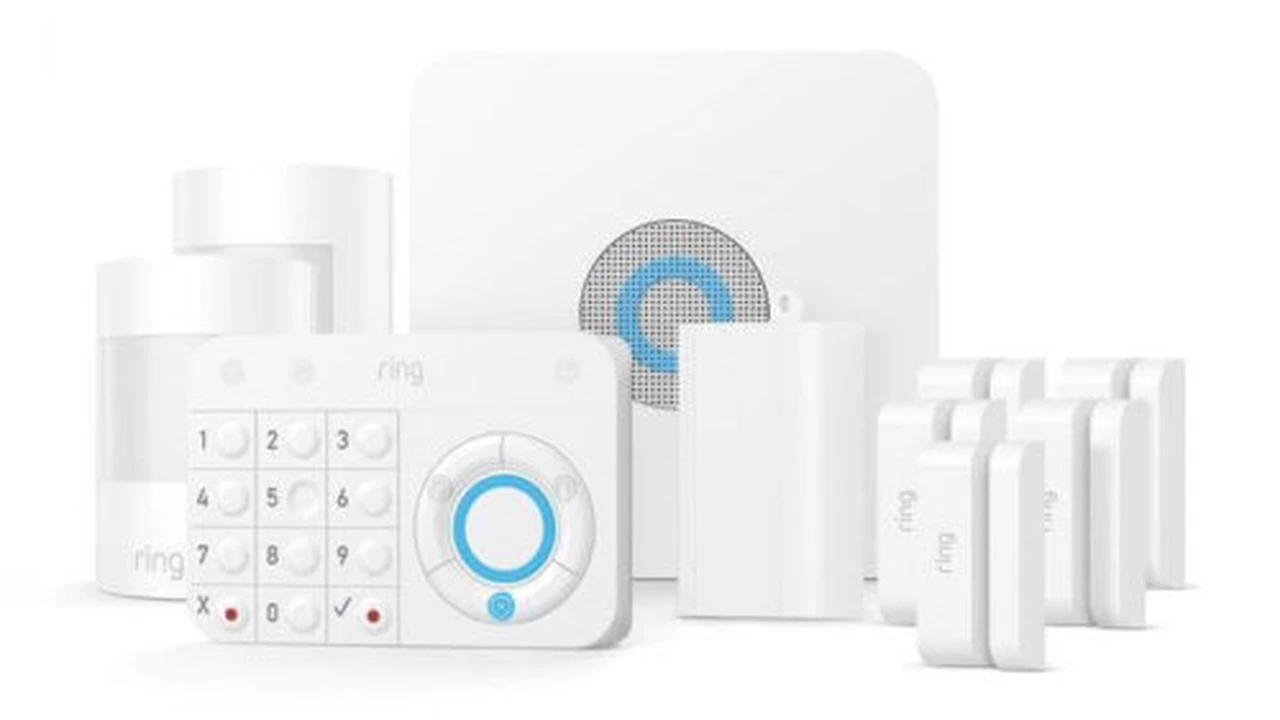
Ring Alarm Pro Comprehensive Wireless Security with Eero Wi-Fi
- Description: Ring, an Amazon company, offers a comprehensive wireless alarm system that integrates seamlessly with its popular video doorbells and security cameras. The Ring Alarm Pro includes a built-in Eero Wi-Fi 6 router, offering enhanced connectivity and local storage for video recordings.
- Key Features: DIY installation, cellular and battery backup, optional 24/7 professional monitoring, Eero Wi-Fi 6 router, local video storage, extensive range of sensors and cameras, Alexa integration.
- Use Case: Homeowners already invested in the Ring ecosystem, those needing robust Wi-Fi coverage, or anyone looking for a feature-rich DIY system with smart home capabilities.
- Pros: Excellent smart home integration (especially with Alexa), built-in Eero router is a huge plus, local video storage, affordable monitoring.
- Cons: Requires a Ring Protect Pro subscription for full features, some users report occasional false alarms with motion sensors.
- Estimated Price: Starter kits from $250-$400. Ring Protect Pro subscription is $20/month or $200/year.
Arlo Security System Advanced Wireless with Integrated Camera
- Description: Arlo, known for its high-quality wireless cameras, has entered the full security system market with an innovative all-in-one sensor that combines motion, door/window, and environmental detection. It's a premium wireless option for those prioritizing advanced camera features.
- Key Features: All-in-one multi-sensor, integrated siren, optional professional monitoring, excellent wireless cameras (4K options), local storage via SmartHub, smart home integration.
- Use Case: Homeowners who prioritize high-quality video surveillance, those looking for a sleek and modern system, or users already familiar with Arlo cameras.
- Pros: Innovative multi-sensor design, top-tier camera quality, strong smart home integration, sleek aesthetics.
- Cons: Higher price point, professional monitoring is an additional cost, battery life can vary with camera usage.
- Estimated Price: Starter kits from $300-$600. Professional monitoring plans vary.
Abode Home Security System Flexible and Customizable Wireless
- Description: Abode offers a highly customizable and flexible wireless security system that appeals to tech-savvy users and those who want extensive smart home integration. It supports a wide range of Z-Wave and Zigbee devices.
- Key Features: DIY installation, professional monitoring options (no contract), extensive smart home integration (Z-Wave, Zigbee, HomeKit, Alexa, Google Assistant), CUE automation engine, wide variety of sensors.
- Use Case: Smart home enthusiasts, users who want maximum customization and integration with existing smart devices, or those looking for a powerful DIY system.
- Pros: Excellent smart home compatibility, highly customizable, flexible monitoring options, robust automation capabilities.
- Cons: Can be more complex to set up for beginners, higher initial equipment cost for advanced features.
- Estimated Price: Starter kits from $200-$400. Professional monitoring plans start around $20/month.
Hybrid Home Alarm Systems The Best of Both Worlds
Many modern security systems, especially those offered by professional installers, are actually hybrid systems. These combine the reliability of wired connections for critical components (like the control panel and main entry points) with the flexibility of wireless sensors for less critical areas or hard-to-wire locations. This approach often provides an optimal balance of security, convenience, and cost-effectiveness.
Benefits of Hybrid Systems Optimal Security and Flexibility
- Enhanced Reliability: Critical sensors can be hardwired, reducing the risk of interference or battery issues where it matters most.
- Increased Flexibility: Wireless sensors can be used for areas that are difficult to wire, or for easy expansion of the system.
- Cost-Effective Expansion: Adding new wireless sensors is often cheaper and easier than running new wires.
- Future-Proofing: Hybrid systems can adapt to changing security needs and technological advancements more easily.
Choosing the Right System for Your Property Considerations for Homeowners
When making your decision, consider the following:
Property Type and Age New Construction vs Existing Homes
- New Construction: Wired systems are often ideal as wiring can be integrated during the build, minimizing costs and disruption. Hybrid systems are also a strong contender.
- Existing Homes: Wireless systems are generally preferred due to easier installation and less disruption. For larger, older homes, a hybrid system might be a good compromise.
Budget and Long-Term Costs Initial Investment and Maintenance
- Lower Upfront Cost: Wireless DIY systems typically have a lower initial equipment and installation cost.
- Lower Long-Term Maintenance: Wired systems have fewer recurring costs (no batteries).
- Monitoring Fees: Factor in monthly monitoring fees, which can vary significantly between providers and service levels.
Security Needs and Priorities Level of Protection Required
- Maximum Reliability: If absolute reliability and tamper resistance are your top priorities, a wired or hybrid system installed by professionals is often the best choice.
- Convenience and Flexibility: If ease of installation, portability, and smart home integration are more important, a wireless system will likely suit you better.
Smart Home Integration and Ecosystem Compatibility
- If you have an existing smart home ecosystem (Alexa, Google Assistant, Apple HomeKit), ensure your chosen alarm system integrates seamlessly. Wireless systems generally offer better smart home compatibility.
DIY vs Professional Installation Your Comfort Level and Expertise
- DIY: Wireless systems are designed for DIY installation, saving on labor costs.
- Professional: Wired systems almost always require professional installation. Many wireless systems also offer professional installation services if you prefer.
Installation Tips for Wired and Wireless Systems Maximizing Performance
Wired System Installation Best Practices
- Professional Expertise: Always use a licensed and experienced professional for wired installations to ensure proper wiring, code compliance, and optimal system performance.
- Strategic Placement: Plan sensor placement carefully to cover all entry points and vulnerable areas.
- Cable Management: Ensure all wiring is neatly concealed and protected from damage.
Wireless System Installation Best Practices
- Signal Strength: Test signal strength for all sensors before final placement. Avoid placing sensors behind large metal objects or thick concrete walls.
- Battery Maintenance: Regularly check battery levels and replace them proactively. Most systems will alert you when batteries are low.
- Router Placement: Ensure your Wi-Fi router (for IP-based wireless systems) is centrally located and provides strong coverage throughout your home.
- Firmware Updates: Keep your system's firmware updated to benefit from the latest security patches and features.
Conclusion Making the Right Choice for Your Home Security
Ultimately, the decision between a wired and wireless home alarm system boils down to your individual circumstances and priorities. Wired systems offer unparalleled reliability and tamper resistance, making them ideal for new constructions or those prioritizing maximum security without compromise. Wireless systems, on the other hand, excel in ease of installation, flexibility, and smart home integration, perfect for existing homes, renters, or tech-savvy users.
Many homeowners find a hybrid system to be the sweet spot, combining the strengths of both technologies. Regardless of your choice, investing in a reputable brand and considering professional monitoring will significantly enhance your home's security posture. Take the time to assess your needs, compare the options, and choose the system that provides you with the most peace of mind.
:max_bytes(150000):strip_icc()/277019-baked-pork-chops-with-cream-of-mushroom-soup-DDMFS-beauty-4x3-BG-7505-5762b731cf30447d9cbbbbbf387beafa.jpg)