Home Alarm Systems with Smart Home Integration
Discover alarm systems that seamlessly integrate with popular smart home platforms for unified control.
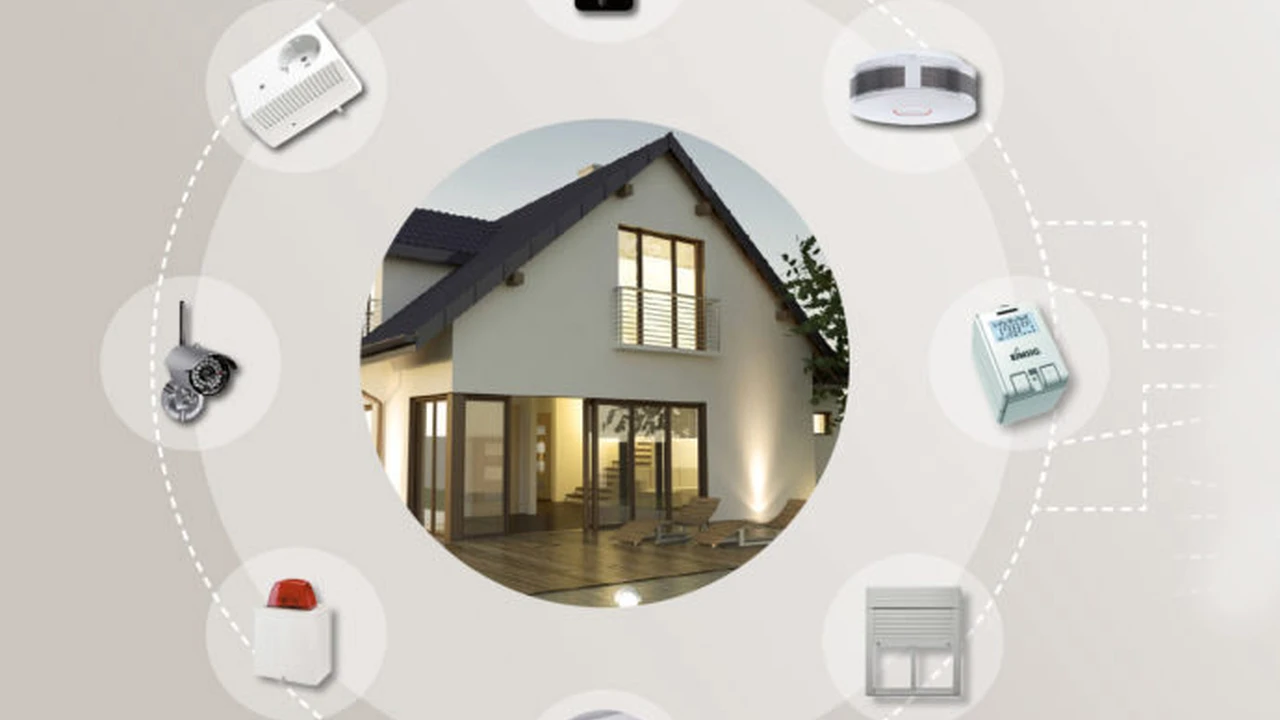
Discover alarm systems that seamlessly integrate with popular smart home platforms for unified control.
Home Alarm Systems with Smart Home Integration
Hey there! Ever thought about how cool it would be if your home alarm system could talk to your smart lights, your thermostat, or even your smart locks? Well, that's exactly what we're diving into today: home alarm systems with smart home integration. It's not just about security anymore; it's about creating a truly smart, connected, and convenient living space. Imagine a world where your alarm system doesn't just scream when there's an intruder, but also turns on all your lights, locks your doors, and even sends a live video feed to your phone. Sounds pretty futuristic, right? But it's happening now, and it's more accessible than you might think.
For folks in the US and Southeast Asia, where smart home tech is really taking off, understanding these integrated systems can make a huge difference in how you protect your home and manage your daily life. We're going to break down what smart home integration means for your alarm system, why it's such a game-changer, and which systems are leading the pack. We'll also look at some real-world scenarios, compare different products, and even talk about pricing so you can make an informed decision.
What is Smart Home Integration for Alarm Systems Understanding the Connected Home
So, what exactly do we mean by 'smart home integration' when it comes to your alarm system? Simply put, it's when your security system isn't just a standalone device but becomes a central hub that communicates and coordinates with other smart devices in your home. Think of it like a conductor leading an orchestra – your alarm system tells your smart lights to turn on, your smart thermostat to adjust, or your smart locks to engage, all based on specific triggers or schedules.
This goes way beyond just arming and disarming your alarm. We're talking about a holistic approach to home management and security. For example, if your alarm detects an unauthorized entry, it can trigger your smart lights to flash, making it seem like someone is home, or even scare off an intruder. If a smoke detector goes off, your smart thermostat can automatically shut down your HVAC system to prevent the spread of smoke, and your smart lights can guide you to the nearest exit. It's about creating a responsive and intelligent home environment that works together to keep you safe and comfortable.
The beauty of integration lies in its ability to automate routines and respond dynamically to events. Instead of managing multiple apps for different devices, you can often control everything from a single interface, whether it's an app on your phone, a central control panel, or even voice commands through smart assistants like Amazon Alexa or Google Assistant. This level of interconnectedness not only enhances security but also adds a layer of convenience and energy efficiency to your home.
Why Integrate Your Alarm System with Smart Home Devices Enhanced Security and Convenience
You might be thinking, 'My alarm system already works fine, why do I need to integrate it with other stuff?' Good question! The benefits are pretty compelling, especially for those looking for a truly modern and efficient home.
Enhanced Security Features and Proactive Protection
First off, integration significantly boosts your security. Imagine this: your motion sensor detects movement in your backyard. Instead of just triggering an alarm, your integrated system can immediately turn on your outdoor smart lights, start recording video from your smart cameras, and even lock all your smart doors. This multi-layered response can deter potential intruders more effectively than a standalone alarm. Plus, with smart locks, you can remotely grant access to trusted individuals or ensure all doors are locked when you leave, directly from your alarm app.
Unparalleled Convenience and Automation
Beyond security, convenience is a huge factor. Think about leaving for work. With an integrated system, you can set up a 'leaving home' routine that, with a single tap or voice command, arms your alarm, locks your doors, turns off your lights, and adjusts your thermostat to an energy-saving mode. Coming home? A 'welcome home' routine can disarm the alarm, unlock the door, turn on the lights, and set the perfect temperature. No more fumbling with multiple apps or worrying if you forgot to lock the back door.
Energy Efficiency and Cost Savings with Smart Home Integration
Integrated systems can also help you save money. By linking your thermostat to your alarm system, it can automatically adjust temperatures when you're away or when a window is left open. Smart lighting can be programmed to turn off when no one is in a room or when the alarm is armed, reducing unnecessary energy consumption. Over time, these small savings can add up, making your smart home not just safer but also more economical.
Remote Monitoring and Control Anytime Anywhere
Finally, the ability to monitor and control your entire home from anywhere in the world is a massive advantage. Whether you're at work, on vacation, or just out for groceries, you can check your camera feeds, arm/disarm your alarm, lock/unlock doors, and adjust settings, all from your smartphone. This peace of mind is invaluable, especially for those with busy lifestyles or who travel frequently.
Leading Home Alarm Systems with Smart Home Integration Product Recommendations
Alright, let's get down to some specifics. There are several excellent home alarm systems that excel at smart home integration. Here are a few top contenders, along with their key features, typical use cases, and approximate pricing.
1. Ring Alarm Pro Comprehensive Security and Eero Wi-Fi Integration
Ring, a well-known name in home security, offers the Ring Alarm Pro, which is a fantastic option for deep smart home integration, especially if you're already in the Amazon ecosystem. What makes the Alarm Pro stand out is its built-in Eero Wi-Fi 6 router, providing not just security but also a robust and secure network for all your smart devices.
- Key Features: Professional monitoring (optional, with Ring Protect Pro subscription), cellular backup, Z-Wave and Wi-Fi connectivity, built-in Eero Wi-Fi 6 router, local storage for Ring cameras (with subscription), Alexa integration.
- Integration Capabilities: Seamlessly integrates with all Ring devices (doorbells, cameras, smart lighting), Amazon Alexa for voice control and routines, Z-Wave devices (smart locks, light switches, thermostats from various brands). You can create routines where arming the alarm turns off smart lights, locks smart doors, and adjusts your smart thermostat.
- Use Cases: Ideal for homeowners who want a unified security and network solution. Great for those already invested in Ring or Amazon Alexa devices. Perfect for creating advanced automation routines that respond to security events.
- Pricing: The Ring Alarm Pro 8-piece kit typically starts around $299.99 USD. The Ring Protect Pro subscription, which includes professional monitoring, cellular backup, and Eero Secure features, is around $20/month or $200/year. Additional sensors and devices are extra.
2. SimpliSafe Home Security System Flexible and Broad Integration
SimpliSafe is renowned for its DIY-friendly installation and no-contract professional monitoring options. While it doesn't have a built-in router like Ring Alarm Pro, it offers broad integration with popular smart home platforms, making it a versatile choice.
- Key Features: DIY installation, optional 24/7 professional monitoring, cellular backup, wide range of sensors (entry, motion, glass break, smoke, CO, water), panic button, outdoor camera.
- Integration Capabilities: Works with Amazon Alexa and Google Assistant for voice control and routines. Integrates with August Smart Locks, allowing you to lock/unlock doors from the SimpliSafe app. Also connects with Apple Watch for quick arming/disarming. You can set up routines like 'when SimpliSafe is armed, turn off Philips Hue lights' or 'when alarm is triggered, Google Assistant announces it on all smart speakers.'
- Use Cases: Excellent for renters or homeowners who prefer a DIY approach and want flexibility with monitoring contracts. Good for those who use a mix of smart home brands and want a central security system that can tie them together through voice assistants.
- Pricing: SimpliSafe systems start from around $249.99 USD for a basic 5-piece kit. Professional monitoring plans range from $17.99 to $27.99 per month, with no long-term contracts.
3. Abode Home Security System Advanced Automation and Open Platform
Abode is a favorite among tech-savvy users due to its robust automation capabilities and support for multiple smart home protocols. It's designed for those who want deep customization and control over their integrated smart home.
- Key Features: DIY installation, optional professional monitoring, cellular backup, Z-Wave, Zigbee, and Wi-Fi connectivity, built-in camera (on some gateways), extensive sensor options.
- Integration Capabilities: Integrates with Amazon Alexa, Google Assistant, Apple HomeKit (via CUE automation engine), IFTTT (If This Then That), Philips Hue, Ecobee, Yale, Kwikset, and more. Abode's CUE automation engine allows for complex, multi-device routines based on various triggers (e.g., 'if motion detected and alarm is armed, turn on all lights, record video, and send notification').
- Use Cases: Best for users who want advanced automation and are comfortable with a more open, customizable smart home ecosystem. Ideal for those with a diverse range of smart devices from different manufacturers.
- Pricing: Abode starter kits typically range from $199.99 to $329.99 USD. Professional monitoring plans start around $20/month, with self-monitoring options also available.
4. Vivint Smart Home Security Premium Service and Seamless Integration
Vivint offers a more premium, professionally installed and monitored solution that excels in seamless integration across its own ecosystem of smart devices. If you prefer a hands-off approach and a fully integrated, high-end system, Vivint is a strong contender.
- Key Features: Professional installation and monitoring, cellular backup, proprietary smart home devices (cameras, smart locks, thermostat, garage door control), voice control via Vivint Smart Hub.
- Integration Capabilities: Deep integration with Vivint's own smart devices, creating a cohesive smart home experience. Works with Amazon Alexa and Google Assistant for voice commands. You can control lights, locks, thermostat, and cameras directly from the Vivint app or Smart Hub. For example, when you arm your system, your Vivint smart thermostat can adjust, and your Vivint smart locks engage.
- Use Cases: Perfect for homeowners who want a professionally installed and managed system with top-tier smart home integration. Ideal for those who prefer a single-brand ecosystem for simplicity and reliability.
- Pricing: Vivint systems often require an upfront equipment cost (which can be financed) and a monthly monitoring fee, typically ranging from $39.99 to $59.99 USD, depending on the services and equipment included.
Comparing Integrated Alarm Systems Key Considerations for Your Smart Home
Choosing the right integrated alarm system can feel a bit overwhelming with so many options out there. Let's break down some key factors to consider when comparing these systems, especially for our audience in the US and Southeast Asia.
Installation Type DIY vs Professional Installation
This is a big one. Systems like Ring Alarm Pro, SimpliSafe, and Abode are designed for DIY installation. This means you buy the equipment, follow the instructions, and set it up yourself. It's generally more affordable upfront and gives you more control. Vivint, on the other hand, is professionally installed. While it costs more, it ensures everything is set up correctly and optimized for your home, which can be a huge plus if you're not comfortable with tech or have a complex setup.
Monitoring Options Self Monitoring vs Professional Monitoring
Most integrated alarm systems offer both self-monitoring and professional monitoring. Self-monitoring means you get alerts on your phone, and it's up to you to contact emergency services. Professional monitoring means a central station receives alerts and dispatches help if needed. Companies like SimpliSafe and Abode offer flexible, no-contract professional monitoring, while Vivint typically requires it. Ring offers professional monitoring through its Protect Pro plan. Consider your budget and how quickly you need emergency services to respond.
Smart Home Ecosystem Compatibility and Protocols
This is where integration really shines. Think about what smart devices you already own or plan to buy. Do you use Amazon Alexa, Google Assistant, or Apple HomeKit? Does the alarm system support Z-Wave, Zigbee, or Wi-Fi? Ring Alarm Pro is great for Alexa users, while Abode offers broader support for Z-Wave, Zigbee, and IFTTT, making it more versatile for mixed ecosystems. Vivint excels within its own proprietary ecosystem. Ensure your chosen alarm system can communicate with your existing or desired smart devices.
Cost Equipment and Monthly Fees
The total cost involves both the upfront equipment purchase and ongoing monthly fees for monitoring or advanced features. DIY systems generally have lower upfront costs. Professional monitoring fees can vary significantly, so compare what's included in each plan. Some systems offer basic self-monitoring for free, while others require a subscription for even basic app control. Always read the fine print!
Scalability and Future Proofing Your Integrated Security
Consider how easily you can expand your system in the future. Can you add more sensors, cameras, or smart devices as your needs change? Systems that support open protocols like Z-Wave and Zigbee tend to be more scalable and future-proof, as they can integrate with a wider range of third-party devices. Proprietary systems might limit your options but often offer a more streamlined experience within their ecosystem.
Real World Scenarios How Integrated Alarm Systems Enhance Daily Life
Let's look at some practical examples of how an integrated alarm system can make your life safer and more convenient, whether you're in a bustling city in the US or a quiet neighborhood in Southeast Asia.
Scenario 1 The Morning Rush Automation for Peace of Mind
You're rushing out the door for work. With an integrated system, you don't have to worry about forgetting to lock the door or arm the alarm. As you leave, your geofencing feature (which uses your phone's location) detects you've left the perimeter. Your system automatically arms itself, locks all smart doors, turns off all smart lights, and adjusts your smart thermostat to an energy-saving mode. If you have a Ring Alarm Pro, your Eero Wi-Fi also goes into a low-power mode. You get a notification on your phone confirming everything is secure. This saves you time and eliminates that nagging feeling of 'did I remember to...?'
Scenario 2 Vacation Mode Enhanced Security While Away
You're on vacation in Bali, but your home is in California. With your integrated alarm system, you can remotely monitor everything. You receive a notification that a motion sensor was triggered in your living room. Immediately, your system turns on your smart lights, flashes them to simulate activity, and sends a live video feed from your smart camera to your phone. You can then use two-way audio to speak through the camera, potentially scaring off an intruder. If it's a false alarm (maybe your pet sitter), you can disarm the system remotely and unlock the door for them, then re-arm it once they leave. This level of control and visibility is invaluable when you're far from home.
Scenario 3 Emergency Response Fire or Flood Detection
It's the middle of the night, and a smoke detector goes off. With an integrated system, it's not just a loud siren. Your alarm system immediately triggers all smart lights to turn on, illuminating escape routes. If you have smart locks, they can automatically unlock to facilitate a quick exit for everyone inside and easy access for emergency responders. Your smart thermostat can shut down the HVAC system to prevent smoke from spreading. Simultaneously, your professional monitoring service is alerted and dispatches the fire department, providing critical minutes that can save lives and property.
Scenario 4 Package Delivery and Visitor Management
You're expecting a package, but you're not home. Your smart doorbell rings, and you see the delivery person on your phone. You can speak to them through the doorbell, and if you trust them, you can remotely unlock your smart garage door or a smart lock on a side door to allow them to place the package securely inside, then lock it back up. For visitors, you can grant temporary access codes to your smart lock, which automatically expire after a set time, all managed through your alarm system's app.
Tips for Maximizing Your Integrated Home Alarm System Smart Home Best Practices
To get the most out of your integrated home alarm system, here are a few best practices to keep in mind:
Plan Your Smart Home Ecosystem Carefully
Before you buy, think about which smart home platforms and devices you already use or prefer. Choosing an alarm system that natively integrates with your preferred ecosystem (e.g., Alexa, Google Home, HomeKit) will provide the smoothest experience. If you're starting from scratch, consider systems that offer broad compatibility like Abode or a comprehensive ecosystem like Vivint or Ring.
Prioritize Reliable Network Connectivity
A smart home is only as smart as its network. Ensure you have a robust and reliable Wi-Fi network that can handle all your connected devices. Consider a mesh Wi-Fi system, especially for larger homes, to eliminate dead zones. Ring Alarm Pro's built-in Eero router is a great example of how a strong network can be integrated directly into your security.
Regularly Update Firmware and Software
Just like your phone or computer, your smart home devices and alarm system need regular updates. These updates often include security patches, bug fixes, and new features. Make it a habit to check for and install updates to keep your system secure and functioning optimally.
Create Smart Routines and Automations
Don't just install the devices; make them work for you! Experiment with creating custom routines and automations. Most systems allow you to set up 'if this, then that' scenarios. For example, 'if the front door opens after 10 PM, turn on the hallway light and send me a notification.' These automations are where the true power of integration lies.
Understand Privacy and Data Security
With so many devices connected, privacy and data security are paramount. Choose reputable brands that have strong security protocols. Use strong, unique passwords for all your accounts, enable two-factor authentication whenever possible, and be mindful of what data your devices are collecting and how it's being used.
Test Your System Regularly
It's a good idea to periodically test your alarm system and its integrated components. Arm and disarm it, trigger sensors, and check if notifications are coming through. If you have professional monitoring, inform them before you conduct a test to avoid false dispatches.
Integrating your home alarm system with your smart home devices is a fantastic way to elevate your home's security, convenience, and efficiency. Whether you're a DIY enthusiast or prefer professional installation, there's a solution out there that can turn your house into a truly smart and responsive sanctuary. Happy integrating!
:max_bytes(150000):strip_icc()/277019-baked-pork-chops-with-cream-of-mushroom-soup-DDMFS-beauty-4x3-BG-7505-5762b731cf30447d9cbbbbbf387beafa.jpg)