Legal Considerations for CCTV Surveillance Installation
Understand the legal aspects and privacy considerations when installing CCTV surveillance systems in public and private spaces.
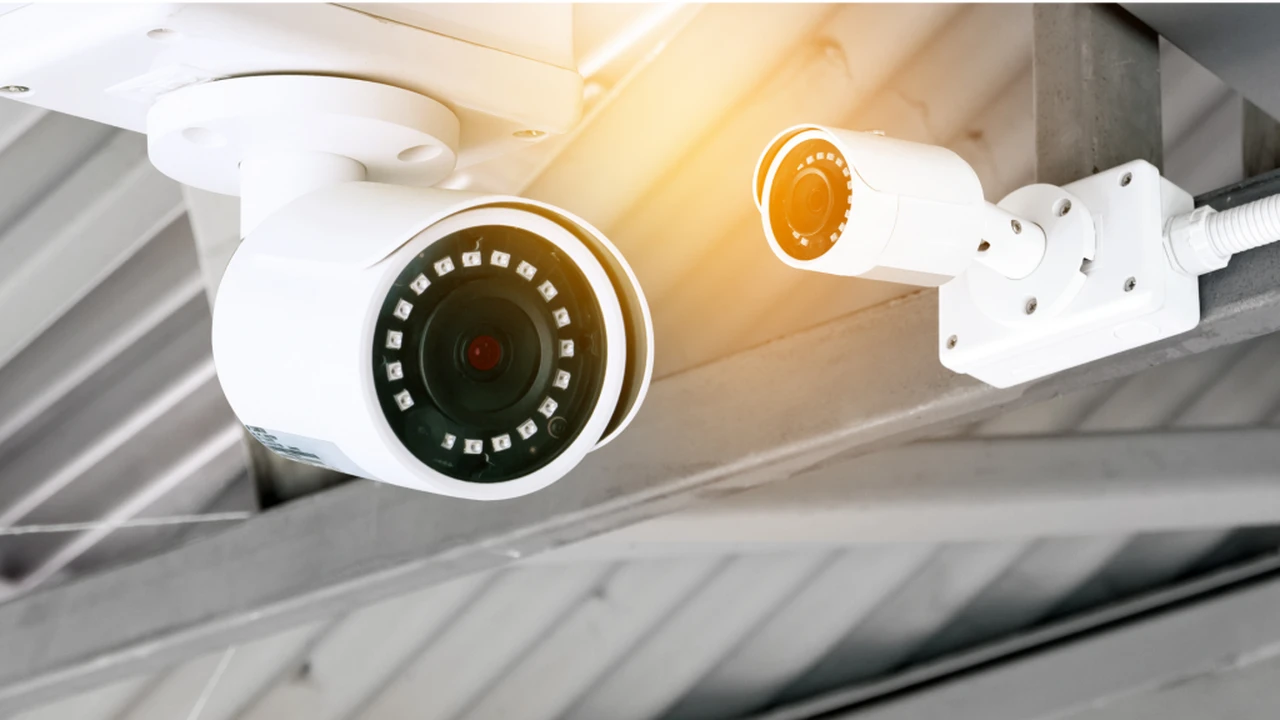
Understand the legal aspects and privacy considerations when installing CCTV surveillance systems in public and private spaces.
Legal Considerations for CCTV Surveillance Installation
Navigating the Legal Landscape of CCTV Installation and Privacy Laws
Installing CCTV surveillance systems, whether for personal or business use, comes with a significant responsibility to understand and adhere to various legal and ethical considerations. This isn't just about pointing a camera and hitting record; it's about respecting privacy, ensuring data security, and avoiding potential legal pitfalls. The legal landscape surrounding CCTV is complex and varies significantly depending on your location, the purpose of the surveillance, and where the cameras are placed. For those operating in the United States and Southeast Asian markets, a nuanced understanding of these regulations is paramount.
In the US, for instance, federal laws like the Electronic Communications Privacy Act (ECPA) primarily address wiretapping and electronic communications, but state laws often dictate the specifics of video surveillance. States like California have stricter privacy laws, while others might be more lenient. Similarly, in Southeast Asia, countries like Singapore have robust data protection acts (PDPA), while others like Thailand are developing their frameworks. Ignoring these regulations can lead to hefty fines, civil lawsuits, and reputational damage. This comprehensive guide will delve into the critical legal and privacy considerations you need to be aware of when installing and operating CCTV surveillance systems.
Public vs Private Spaces Understanding Surveillance Boundaries
One of the most fundamental distinctions in CCTV law is the difference between public and private spaces. Generally, there's a lower expectation of privacy in public areas. This means that surveillance in places like public streets, parks, or outside a business visible to the public is often permissible, provided it doesn't intrude on areas where a reasonable expectation of privacy exists. However, even in public spaces, there can be limitations, especially concerning audio recording, which is often subject to stricter 'two-party consent' laws in many jurisdictions.
Private spaces, on the other hand, demand a much higher degree of caution. Inside a home, individuals have a strong expectation of privacy. Placing cameras in bathrooms, bedrooms, or other highly private areas is almost universally illegal, even within your own home if it involves recording guests without their explicit consent. For businesses, this extends to employee break rooms, changing rooms, and restrooms. The general rule of thumb is: if someone has a reasonable expectation of privacy in that area, you should not be recording them without their explicit knowledge and consent.
Consent and Notification The Cornerstone of Ethical Surveillance
Consent and notification are critical pillars of ethical and legal CCTV surveillance. In many jurisdictions, especially when recording in private spaces or areas where individuals might have a reasonable expectation of privacy, you are legally obligated to inform people that they are being recorded. This is typically done through clear and conspicuous signage. These signs should be easily visible at all entry points and clearly state that CCTV is in operation.
For employees, specific consent forms or clauses in employment contracts might be necessary, especially if surveillance extends beyond general security monitoring to performance monitoring. In some cases, particularly with audio recording, explicit, active consent might be required from all parties involved. Always err on the side of over-communicating your surveillance practices rather than under-communicating them. Transparency builds trust and helps mitigate legal risks.
Data Protection and Storage Safeguarding Recorded Footage
The footage captured by your CCTV system is sensitive data, and its handling is subject to data protection laws. This means you have a responsibility to store it securely, protect it from unauthorized access, and retain it only for as long as necessary. Data breaches involving CCTV footage can have severe consequences, including legal penalties and reputational damage.
Consider the following for data protection and storage:
- Secure Storage: Use encrypted storage solutions, whether it's a local DVR/NVR or cloud-based storage. Ensure physical security for local devices.
- Access Control: Limit access to recorded footage to authorized personnel only. Implement strong passwords and multi-factor authentication.
- Retention Policies: Establish clear data retention policies. Don't keep footage indefinitely. Most jurisdictions recommend retaining footage for a limited period (e.g., 30-90 days) unless it's needed for an investigation.
- Data Minimization: Only collect data that is necessary for your stated purpose. Avoid unnecessary wide-angle shots that capture more than required.
- Disposal: When footage is no longer needed, ensure it is securely deleted or destroyed.
In regions with strong data protection laws like the EU's GDPR (which can have extraterritorial reach if you process data of EU citizens) or Singapore's PDPA, individuals often have rights regarding their personal data, including the right to access footage of themselves and the right to request its deletion under certain circumstances. Familiarize yourself with these rights and have procedures in place to address such requests.
Audio Recording Laws The Silent Trap of Surveillance
While video surveillance laws can be complex, audio recording laws are often even stricter. In the US, many states are 'two-party consent' states, meaning all parties involved in a conversation must consent to being recorded. Other states are 'one-party consent,' where only one party needs to be aware and consent. Federal law is a one-party consent law. However, if you are recording conversations where you are not a party, it generally requires the consent of all parties. This is particularly relevant for businesses that might consider recording customer service interactions or employee conversations.
In Southeast Asia, laws vary. Singapore's PDPA, for example, generally requires consent for the collection, use, and disclosure of personal data, which includes audio recordings. Thailand's Personal Data Protection Act (PDPA) also emphasizes consent. The safest approach is to assume that audio recording requires explicit consent from all parties involved, especially in private settings. If you are unsure, consult with legal counsel. It's often safer to disable audio recording on your CCTV systems unless absolutely necessary and legally permissible.
Employee Monitoring Specific Regulations for Businesses
For businesses, employee monitoring via CCTV introduces another layer of legal and ethical considerations. While employers generally have the right to monitor their workplaces for security, productivity, and safety, this right is not absolute and must be balanced against employee privacy rights.
Key considerations for employee monitoring:
- Legitimate Business Purpose: There must be a clear and legitimate business reason for monitoring, such as preventing theft, ensuring safety, or monitoring productivity.
- Notification: Employees must be informed that they are being monitored. This should be clearly stated in employment contracts, employee handbooks, and through visible signage.
- No Surveillance in Private Areas: As mentioned, cameras are strictly prohibited in private areas like restrooms, changing rooms, and break rooms.
- Reasonable Expectation of Privacy: Even in the workplace, employees have some expectation of privacy. Monitoring should not be overly intrusive or extend beyond what is necessary for the stated business purpose.
- Data Handling: All data protection principles apply to employee footage, including secure storage, limited access, and appropriate retention policies.
Some jurisdictions may also have specific laws regarding unionized workplaces or industries. Always consult with legal professionals specializing in employment law to ensure compliance.
Specific Product Recommendations and Their Legal Implications
When choosing CCTV systems, certain features can have legal implications. Let's look at a few popular options and how their features interact with legal considerations.
Arlo Pro 4 Spotlight Camera A Wireless Solution for Home Surveillance
The Arlo Pro 4 is a popular wireless outdoor camera known for its ease of installation and high-quality video. It offers 2K HDR video, a 160-degree viewing angle, integrated spotlight, and two-way audio. Its wireless nature makes it ideal for renters or those who prefer not to run cables.
- Use Case: Outdoor home security, monitoring entryways, driveways, and backyards.
- Legal Considerations:
- Public View: Ensure the camera's field of view does not excessively intrude on neighboring properties or public sidewalks beyond what is necessary for your property's security.
- Audio Recording: The two-way audio feature can record conversations. Be mindful of 'two-party consent' laws if you enable continuous audio recording. It's generally safer to use it for live communication rather than continuous surveillance.
- Notification: While not always legally required for outdoor home use, it's good practice to have a small sign indicating surveillance, especially if the camera is easily visible.
- Price: Approximately $199 - $249 per camera.
Reolink Argus 3 Pro A Budget-Friendly Wireless Option with Solar Power
The Reolink Argus 3 Pro is another strong contender in the wireless camera market, offering 2K resolution, color night vision, and a built-in spotlight. A key differentiator is its optional solar panel, providing continuous power and reducing maintenance. It also features smart person/vehicle detection.
- Use Case: Remote property monitoring, areas without easy access to power, general outdoor home security.
- Legal Considerations:
- Remote Monitoring: While convenient, ensure that remote access is secure to prevent unauthorized viewing of footage.
- Data Storage: Reolink offers local SD card storage and cloud options. Understand the data retention policies for cloud storage and ensure local storage is physically secure.
- Placement: Similar to Arlo, be cautious about placement to avoid unnecessary intrusion on neighbors' privacy.
- Price: Approximately $100 - $130 per camera (solar panel extra).
Hikvision DS-2CD2T87G2-L ColorVu A Professional Wired Solution for Businesses
For businesses requiring robust, continuous surveillance, Hikvision's ColorVu series offers exceptional low-light performance, providing full-color images even in near darkness. This is a wired IP camera, requiring professional installation and a Network Video Recorder (NVR).
- Use Case: Commercial properties, retail stores, warehouses, parking lots where high-quality, 24/7 surveillance is critical.
- Legal Considerations:
- Employee Monitoring: If used indoors, strict adherence to employee notification and privacy laws is essential. Avoid private areas.
- Public Notification: Clear and prominent signage indicating CCTV surveillance is mandatory for businesses.
- Data Protection: As a business, you are a data controller. Implement robust data protection policies, secure NVR storage, and limited access protocols.
- Retention: Establish and adhere to a clear data retention policy for business footage.
- Price: Approximately $250 - $400 per camera (NVR and installation extra).
Dahua IPC-HFW3849TL1-AS-PV WizSense A Smart Deterrence Camera
Dahua's WizSense series cameras integrate AI features like perimeter protection and SMD Plus (Smart Motion Detection). This particular model also includes active deterrence features like a siren and flashing light, which can be triggered by detected intruders.
- Use Case: High-security areas, commercial entrances, residential properties where active deterrence is desired.
- Legal Considerations:
- Active Deterrence: While effective, ensure the siren and light are not overly disruptive to neighbors or used in a way that could be considered harassment.
- False Alarms: AI helps reduce false alarms, but ensure the system is configured correctly to avoid unnecessary triggers that could lead to complaints.
- Data Accuracy: AI features rely on data. Ensure the system is not used for discriminatory purposes or to collect data beyond its legitimate security function.
- Price: Approximately $180 - $300 per camera (NVR and installation extra).
International and Regional Variations Navigating Diverse Legal Frameworks
As mentioned, CCTV laws are not uniform. What's permissible in one country or even one state might be illegal in another. For businesses operating across borders, or individuals traveling with portable surveillance devices, understanding these variations is crucial.
United States Specific State Laws and Federal Guidelines
In the US, while federal laws provide a baseline, state laws often dictate the specifics. For example, California has the California Consumer Privacy Act (CCPA), which grants consumers certain rights over their personal information, including video footage. Illinois has stricter laws regarding biometric data. Always check the specific laws of your state and municipality. Some cities might have ordinances regarding camera placement or public notification.
Southeast Asia Diverse Regulations and Emerging Frameworks
Southeast Asia presents a diverse legal landscape:
- Singapore: The Personal Data Protection Act (PDPA) is comprehensive. Organizations must obtain consent for collecting, using, or disclosing personal data, including video footage. Clear notification and secure data handling are paramount.
- Thailand: The Personal Data Protection Act (PDPA) came into full effect in 2022, aligning with global data protection standards. It emphasizes consent, data minimization, and data subject rights.
- Malaysia: The Personal Data Protection Act 2010 (PDPA) governs data processing. Similar to Singapore, consent and notification are key.
- Indonesia: While a comprehensive data protection law is still evolving, existing regulations touch upon privacy. Businesses should still adhere to best practices.
- Philippines: The Data Privacy Act of 2012 is in force, requiring consent for data processing and outlining data subject rights.
For any international operations, it is highly recommended to consult with local legal counsel to ensure full compliance with regional and national data protection and surveillance laws.
Best Practices for Legal and Ethical CCTV Operation
To minimize legal risks and operate your CCTV system ethically, consider these best practices:
- Define Your Purpose: Clearly articulate why you are installing CCTV. Is it for security, safety, or something else? This purpose should guide all your decisions.
- Legal Counsel: When in doubt, consult with a legal professional specializing in privacy and surveillance law. This is especially crucial for businesses.
- Transparency: Be open about your surveillance. Use clear signage and inform individuals that they are being recorded.
- Data Security: Implement robust security measures to protect recorded footage from unauthorized access, alteration, or deletion.
- Data Minimization: Only record what is necessary for your stated purpose. Avoid excessive or intrusive surveillance.
- Regular Review: Periodically review your CCTV policies and practices to ensure they remain compliant with evolving laws and technologies.
- Employee Training: If you have staff managing CCTV, ensure they are fully trained on legal obligations, data handling, and privacy protocols.
- Impact Assessments: For larger deployments, especially in businesses, consider conducting a Data Protection Impact Assessment (DPIA) to identify and mitigate privacy risks.
By proactively addressing these legal and privacy considerations, you can ensure your CCTV surveillance system serves its intended purpose effectively while respecting individual rights and avoiding costly legal challenges. It's about striking a balance between security and privacy, a balance that is achievable with careful planning and adherence to the law.
:max_bytes(150000):strip_icc()/277019-baked-pork-chops-with-cream-of-mushroom-soup-DDMFS-beauty-4x3-BG-7505-5762b731cf30447d9cbbbbbf387beafa.jpg)