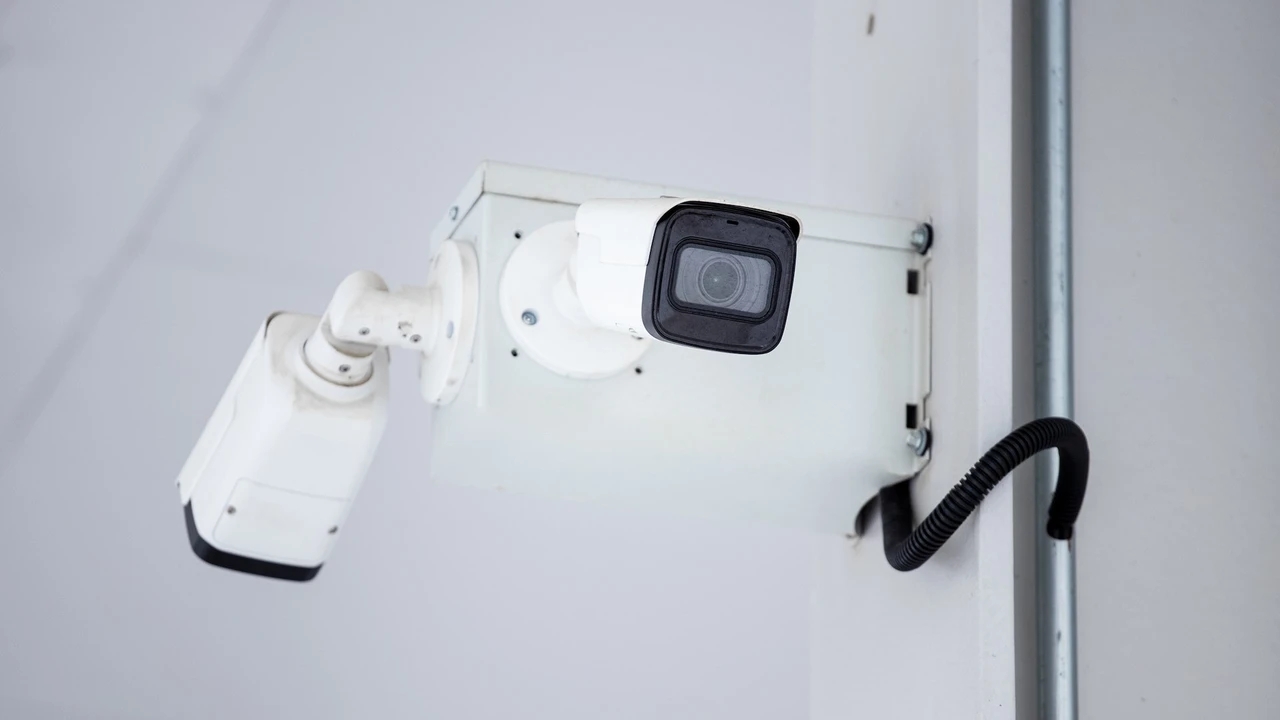
The Future of Access Control Technology
An in-depth look at emerging trends and future innovations in access control technology and what to expect.
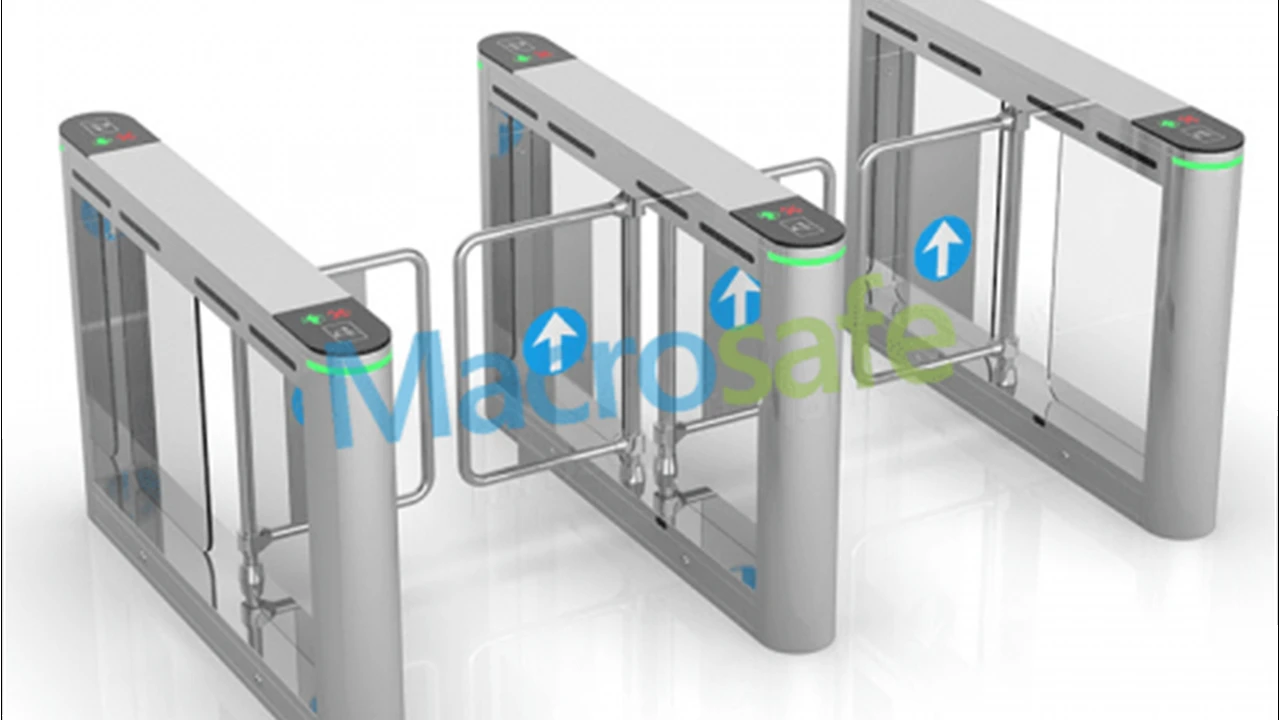
An in-depth look at emerging trends and future innovations in access control technology and what to expect.
The Future of Access Control Technology
The Evolution of Access Control Systems From Keys to Biometrics
Remember the good old days of jangling keys? Or maybe the slightly less old days of swipe cards that always seemed to demagnetize at the worst possible moment? Access control has come a long, long way, and it’s not slowing down. What started as simple mechanical locks evolved into electronic keypads, then proximity cards, and now we’re firmly in the era of biometrics and mobile credentials. But what’s next? The future of access control isn't just about keeping bad guys out; it's about creating seamless, intelligent, and hyper-secure environments that adapt to our needs. We're talking about systems that know who you are, where you should be, and even anticipate your movements, all while making your life easier and safer. It’s a pretty exciting time to be thinking about how we secure our homes and businesses.
Emerging Trends in Access Control Biometrics and Beyond
When we talk about the future, biometrics immediately spring to mind. Fingerprint scanners, facial recognition, iris scans – these aren't just for spy movies anymore. They're becoming increasingly common, offering a level of security and convenience that traditional methods just can't match. Think about it: no more lost keys, no forgotten PINs. Your identity becomes your key. But it's not just about biometrics. We're seeing a huge push towards mobile credentials, where your smartphone becomes your access card. This is super convenient, especially for younger generations who are glued to their phones. Beyond that, there's a growing interest in behavioral biometrics, which analyzes how you walk, type, or even hold your phone to verify your identity. It's like your unique habits become part of your security profile. And let's not forget about the integration with other smart systems. Your access control won't just open a door; it'll disarm your alarm, turn on the lights, and even adjust the thermostat. It's all about creating a truly smart and interconnected environment.
Artificial Intelligence and Machine Learning in Access Control
This is where things get really interesting. AI and machine learning are set to revolutionize access control. Imagine a system that learns your daily routine: when you arrive, when you leave, who you usually bring with you. If something out of the ordinary happens – say, you try to enter at 3 AM when you never do, or someone tries to use your credentials at a location you've never visited – the AI can flag it as suspicious. It can even analyze video feeds in real-time to detect anomalies, like someone tailgating or an unauthorized person trying to force entry. This isn't just about reacting to threats; it's about predicting and preventing them. AI can also help optimize access policies, identifying potential vulnerabilities or suggesting more efficient ways to manage access for different groups of people. It's like having a super-smart security guard who never sleeps and learns from every single interaction.
Cloud Based Access Control Systems Scalability and Flexibility
Cloud-based access control is already a big deal, and it's only going to get bigger. Why? Because it offers incredible scalability and flexibility. For businesses, especially those with multiple locations or a growing workforce, managing on-premise servers and software can be a nightmare. With cloud-based systems, all your access data and management tools are hosted remotely, accessible from anywhere with an internet connection. This means easier updates, less hardware to maintain, and the ability to scale up or down as needed without a huge upfront investment. For homeowners, it means managing your home's access from your phone, granting temporary access to a dog walker, or checking who came and went while you're on vacation. It's all about convenience and control, without the headache of complex IT infrastructure. Plus, cloud providers often offer robust security measures, so your data is typically safer than if you were managing it yourself.
Seamless Integration with Smart Home and Building Management Systems
The future of access control isn't a standalone system; it's a central nervous system for your home or building. We're talking about seamless integration with everything else. Your access control system will talk to your lighting, HVAC, security cameras, alarm systems, and even your smart appliances. Imagine unlocking your front door, and as you step inside, the lights come on, your favorite music starts playing, and the thermostat adjusts to your preferred temperature. For businesses, this means optimizing energy consumption by linking access to lighting and climate control, or automatically locking down certain areas if an unauthorized entry is detected. This level of integration creates truly intelligent environments that are not only more secure but also more efficient and comfortable. It's about creating a holistic security and management ecosystem.
Enhanced Security Features Multi Factor Authentication and Beyond
While convenience is great, security remains paramount. The future of access control will see an even greater emphasis on enhanced security features. Multi-factor authentication (MFA) is already becoming standard, requiring more than one method to verify identity (e.g., a fingerprint plus a PIN, or a mobile credential plus facial recognition). But we're going beyond that. Think about continuous authentication, where the system constantly verifies your identity as you move through a space, rather than just at the point of entry. This could involve behavioral biometrics or even passive monitoring. There's also a focus on end-to-end encryption for all data transmission, ensuring that your access credentials and personal information are protected from cyber threats. The goal is to create layers of security that are incredibly difficult to breach, while still maintaining a user-friendly experience.
Specific Product Recommendations and Use Cases
Let's dive into some real-world examples of how these future trends are already taking shape with specific products. Keep in mind, prices are estimates and can vary widely based on features, installation, and subscription plans.
For Residential Use Smart Locks and Biometric Entry
- August Wi-Fi Smart Lock (4th Gen): This is a fantastic option for homeowners looking for easy integration and mobile control. It retrofits over your existing deadbolt, so you can still use your traditional keys if needed. It offers remote locking/unlocking, guest access management, and integrates seamlessly with popular smart home platforms like Alexa, Google Assistant, and Apple HomeKit. The Wi-Fi bridge is built-in, so no extra hub is required.
- Use Case: Granting temporary access to a dog walker or cleaner, checking if your door is locked from anywhere, or automatically unlocking as you approach your home.
- Comparison: Simpler installation than full replacement locks, but doesn't offer built-in keypad or biometric options directly on the lock.
- Estimated Price: $200 - $250 USD.
- Schlage Encode Plus Smart WiFi Deadbolt: This lock offers a built-in keypad, Wi-Fi connectivity, and Apple Home Key support, allowing you to unlock your door with just a tap of your iPhone or Apple Watch. It's a full deadbolt replacement, offering robust security.
- Use Case: Keyless entry for family members, providing temporary codes for guests, and integrating with HomeKit for advanced automation.
- Comparison: More secure than August due to full deadbolt replacement, and Home Key is a significant convenience factor for Apple users.
- Estimated Price: $250 - $300 USD.
- Eufy Security Smart Lock Touch & Wi-Fi: This lock combines a fingerprint scanner, keypad, and Wi-Fi connectivity. It's a full deadbolt replacement and offers multiple ways to unlock, including biometric.
- Use Case: Quick and secure entry using your fingerprint, ideal for families who want to avoid keys or codes.
- Comparison: Offers biometric entry directly on the lock, which is a step up in convenience and security from just keypads or mobile apps.
- Estimated Price: $200 - $250 USD.
For Small to Medium Businesses Cloud Based Access Control
- Brivo Access: Brivo is a pioneer in cloud-based access control. Their system offers a comprehensive suite of features including mobile credentials, visitor management, and integration with video surveillance. It's highly scalable and suitable for businesses of all sizes, but particularly strong for SMBs looking for a robust, easy-to-manage solution.
- Use Case: Managing access for employees across multiple offices, tracking entry/exit times, and integrating with HR systems.
- Comparison: Strong cloud infrastructure, excellent reporting, and a wide range of compatible hardware. Can be more expensive than simpler systems but offers enterprise-grade features.
- Estimated Price: Hardware costs vary (readers, controllers), plus a monthly subscription fee typically starting from $50-$100+ per month depending on user count and features.
- Kisi: Kisi offers a modern, mobile-first approach to access control. It's entirely cloud-managed and focuses heavily on mobile credentials, though it also supports key cards and fobs. It's known for its user-friendly interface and strong integration capabilities with other business tools.
- Use Case: Tech startups, co-working spaces, or any business that values a sleek, mobile-centric access experience.
- Comparison: Very user-friendly and modern, strong API for custom integrations. Might be less feature-rich for very complex, highly regulated environments compared to some larger players.
- Estimated Price: Hardware costs vary, plus a monthly subscription fee typically starting from $40-$80+ per month.
For Enterprise and Large Scale Deployments Integrated Solutions
- Genetec Security Center: This isn't just an access control system; it's a unified security platform that integrates access control, video surveillance (VMS), automatic license plate recognition (ALPR), and communications. It's designed for large, complex environments that require a holistic approach to security.
- Use Case: Airports, large corporate campuses, government facilities, or smart city initiatives where multiple security systems need to operate as one.
- Comparison: Extremely powerful and comprehensive, offering unparalleled integration capabilities. Requires significant investment and professional installation/configuration.
- Estimated Price: Highly variable, often in the tens of thousands to hundreds of thousands of dollars, depending on the scale and modules implemented.
- LenelS2 OnGuard: Another industry leader for enterprise-level security, OnGuard provides a robust, scalable platform for access control, alarm monitoring, video management, and identity management. It's known for its reliability and extensive feature set, catering to highly secure and regulated environments.
- Use Case: Financial institutions, critical infrastructure, pharmaceutical companies, or any organization with stringent security and compliance requirements.
- Comparison: Very robust and reliable, with a long track record in enterprise security. Can be complex to manage without dedicated IT staff.
- Estimated Price: Similar to Genetec, highly variable and dependent on project scope.
Challenges and Considerations in Adopting New Access Control Technologies
While the future of access control looks bright, it's not without its hurdles. One major challenge is data privacy and security. Biometric data, in particular, is highly sensitive, and ensuring its secure storage and ethical use is paramount. Companies need to be transparent about how they collect, store, and use this data, and comply with regulations like GDPR or CCPA. Another consideration is interoperability. As more systems become integrated, ensuring they can all talk to each other seamlessly is crucial. Proprietary systems can create silos, making it difficult to build a truly unified security ecosystem. Then there's the issue of cost. While cloud-based solutions can reduce upfront hardware costs, subscription fees can add up, and implementing advanced biometric or AI-driven systems can still be a significant investment. Finally, user acceptance is key. People need to feel comfortable and confident using new technologies. A system, no matter how advanced, won't be effective if users find it too complicated or intrusive. Education and clear communication are essential for successful adoption.
The Impact of Access Control on User Experience and Operational Efficiency
Beyond just security, future access control systems are all about improving the user experience and boosting operational efficiency. For users, it means less friction: no more fumbling for keys or cards, just a seamless entry experience. Imagine walking into your office, and the door recognizes you, unlocks, and logs your presence, all without you lifting a finger. This convenience translates directly into a better experience for employees, residents, and visitors. For businesses, the operational benefits are huge. Automated access logging simplifies compliance and auditing. Integration with HR systems streamlines onboarding and offboarding. Real-time data analytics can provide insights into building occupancy and traffic flow, helping optimize space utilization and energy consumption. By automating routine tasks and providing better data, access control systems free up security personnel to focus on more critical tasks, ultimately leading to a safer, more efficient, and more pleasant environment for everyone.
:max_bytes(150000):strip_icc()/277019-baked-pork-chops-with-cream-of-mushroom-soup-DDMFS-beauty-4x3-BG-7505-5762b731cf30447d9cbbbbbf387beafa.jpg)