Access Control Systems with Video Intercom Integration
Explore access control systems that seamlessly integrate with video intercoms for enhanced entry management.
Explore access control systems that seamlessly integrate with video intercoms for enhanced entry management.
Access Control Systems with Video Intercom Integration
The Power of Integrated Entry Management Solutions
In today's security landscape, standalone systems are becoming a thing of the past. Modern security demands a holistic approach, where different components work together to create a more robust and efficient defense. One of the most powerful integrations we're seeing is between access control systems and video intercoms. This combination doesn't just let you manage who comes and goes; it lets you see who's there, talk to them, and then grant or deny access, all from a single, unified platform. It's about moving beyond simple door buzzers to a truly intelligent entry management solution.
Think about it: a visitor arrives at your office building. Instead of just pressing a button and hoping someone answers, they can now engage in a two-way video and audio conversation with a receptionist or security personnel. This visual confirmation adds an invaluable layer of security, preventing unauthorized access and providing a clear record of who attempted to enter. For residential buildings, it offers residents peace of mind, knowing they can visually verify visitors before allowing them into their homes. This integration is particularly beneficial for businesses, multi-tenant buildings, and even larger residential complexes where managing visitor flow is a daily challenge.
Why Integrate Video Intercoms with Access Control Systems
The benefits of combining these two critical security technologies are numerous and impactful. Let's break down some of the key advantages:
Enhanced Security and Verification
The most obvious benefit is the significant boost in security. With video intercom integration, you're no longer relying solely on a voice or a code. You get visual confirmation of who is at the door, allowing you to verify their identity before granting access. This is crucial for preventing tailgating, unauthorized entry, and even potential security threats. Imagine a scenario where someone claims to be a delivery person; with video, you can see their uniform, their vehicle, and the package, adding a layer of trust that audio alone can't provide. For high-security areas, this visual verification can be a mandatory step before any access is granted.
Improved Visitor Management and Experience
For businesses and residential buildings, managing visitors can be a time-consuming process. Integrated systems streamline this. Visitors can easily communicate their purpose, and staff can quickly verify and grant access. This creates a smoother, more professional experience for visitors, reducing wait times and frustration. For residents, it means they can manage deliveries or guest access from their smartphone, even when they're not home. This convenience is a major selling point for modern properties.
Remote Access and Control Capabilities
One of the biggest game-changers is the ability to manage entry remotely. Many integrated systems offer mobile apps that allow you to see, hear, and speak to visitors from anywhere in the world. This is incredibly useful for business owners who travel, property managers overseeing multiple locations, or even homeowners who want to let a friend in while they're at work. You can grant access with a tap on your phone, receive notifications of attempted entries, and even review video logs later. This level of control and flexibility was unimaginable just a few years ago.
Audit Trails and Incident Documentation
Every interaction at the entry point is recorded. This means you have a comprehensive audit trail of who entered, when, and who granted them access. In the event of an incident, this video and audio record becomes invaluable evidence. It can help identify suspects, reconstruct events, and provide crucial information for investigations. This level of documentation is not only good for security but also for compliance in many industries.
Cost Efficiency and Streamlined Operations
While the initial investment might seem higher than separate systems, the long-term cost savings can be significant. You're managing fewer disparate systems, reducing maintenance complexity, and potentially needing fewer on-site personnel for visitor management. The efficiency gained from streamlined operations can also lead to productivity improvements, especially in busy environments. Plus, the enhanced security can reduce losses from theft or unauthorized access, further contributing to cost savings.
Key Features to Look for in Integrated Systems
When considering an integrated access control and video intercom system, there are several key features that can make a big difference in performance and usability:
High Definition Video and Wide-Angle Lenses
Clear video is paramount. Look for systems that offer high-definition (HD) or even 4K video resolution. A wide-angle lens is also crucial to capture a broader view of the entry area, ensuring you don't miss anything important. Good low-light performance and infrared (IR) night vision are also essential for 24/7 surveillance.
Two-Way Audio Communication
This is a fundamental feature. The ability to have clear, two-way conversations with visitors is what makes the intercom truly effective. Look for systems with noise cancellation to ensure clear audio even in noisy environments.
Mobile App Integration and Remote Management
As mentioned, mobile access is a huge convenience. The app should be intuitive, reliable, and allow for remote viewing, communication, and door unlocking. Push notifications for visitor arrivals are also a must-have.
Integration with Existing Access Control Infrastructure
If you already have an access control system, ensure the video intercom can seamlessly integrate with it. This avoids having to rip and replace existing hardware and software, saving time and money. Compatibility with various credential types (key cards, fobs, mobile credentials) is also important.
Scalability and Future-Proofing
Choose a system that can grow with your needs. Whether you're adding more entry points, expanding your facility, or incorporating new security technologies, the system should be scalable and adaptable. Cloud-based solutions often offer greater flexibility in this regard.
Tamper Detection and Durability
Entry points are vulnerable. The intercom unit itself should be robust, weather-resistant (for outdoor installations), and include tamper detection features to alert you if someone tries to disable or damage it.
Recommended Integrated Access Control and Video Intercom Products
Let's dive into some specific products and solutions that excel in integrating access control with video intercom capabilities. Keep in mind that pricing can vary significantly based on features, installation complexity, and vendor, so these are general estimates.
1. Aiphone IXG Series IP Video Intercom System
Aiphone is a well-respected name in the intercom industry, and their IXG Series offers robust IP-based video intercom solutions that integrate well with various access control systems. It's particularly strong for multi-tenant and commercial applications.
- Key Features: High-definition video, SIP compatibility for integration with VoIP phone systems, mobile app for remote access, robust build quality, and scalability for large installations. It supports a wide range of door stations and internal monitors.
- Use Cases: Large office buildings, apartment complexes, educational institutions, and healthcare facilities. Its open API allows for integration with many third-party access control platforms.
- Comparison: Known for its reliability and enterprise-grade features. While not always the cheapest, its durability and extensive feature set make it a strong contender for demanding environments.
- Estimated Price Range: Door stations can range from $800 - $2,500+, with master stations and software licenses adding to the overall cost. Installation is typically professional.
2. Akuvox Smart IP Video Intercoms
Akuvox offers a wide range of smart IP video intercoms that are designed with integration in mind. They are popular for both residential and commercial use, providing a good balance of features and affordability.
- Key Features: Full HD video, wide-angle cameras, facial recognition (on some models), mobile app for remote access and door unlocking, cloud management, and integration with popular smart home platforms (like Control4, Savant) and access control systems (via ONVIF, SIP, and API).
- Use Cases: Modern apartment buildings, smart homes, small to medium-sized businesses, and gated communities.
- Comparison: Offers a more modern, sleek design compared to some traditional intercoms. Its focus on smart home integration makes it appealing for tech-savvy users. Good value for the features offered.
- Estimated Price Range: Door stations typically range from $300 - $1,000, with indoor monitors and cloud subscriptions being additional.
3. DoorBird IP Video Door Stations
DoorBird specializes in IP video door stations that are known for their sleek design, robust features, and excellent integration capabilities. They are a popular choice for both residential and smaller commercial applications.
- Key Features: 1080p HD video, 180-degree wide-angle lens, IR night vision, motion sensor, two-way audio, mobile app with push notifications, open API for integration with numerous smart home and access control systems (e.g., Control4, Crestron, Loxone, and various access control platforms). Cloud recording options are available.
- Use Cases: High-end residential homes, small offices, and boutique commercial spaces where aesthetics and advanced features are important.
- Comparison: Often praised for its user-friendly app and extensive integration ecosystem. The build quality is premium, and the design is very modern.
- Estimated Price Range: Door stations typically cost between $350 - $1,200, depending on the model and finish.
4. 2N IP Intercoms
2N, a subsidiary of Axis Communications, is a leader in IP intercoms, offering a wide range of products for various applications, from residential to large-scale commercial and industrial. Their focus is on robust, secure, and highly integrable solutions.
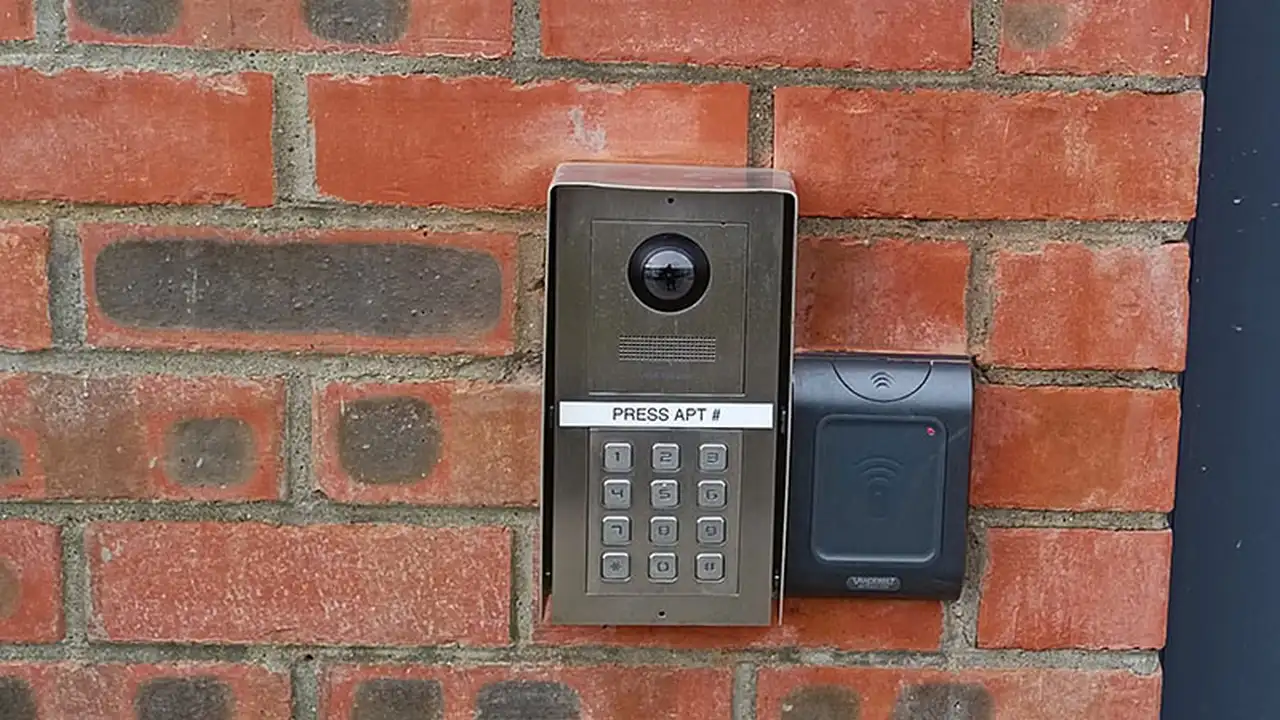
- Key Features: High-resolution video, wide-angle cameras, advanced audio features (echo cancellation, noise reduction), mobile app for remote access, robust construction (vandal-resistant models available), and extensive integration options with access control systems (via Wiegand, ONVIF, SIP, and API), CCTV, and VMS platforms. They offer models with keypads, RFID readers, and even fingerprint readers built-in.
- Use Cases: Corporate offices, industrial facilities, multi-tenant residential buildings, hospitals, and educational campuses. Their versatility makes them suitable for almost any environment.
- Comparison: Considered a premium brand with a strong emphasis on security and integration. Their products are highly configurable and built to last, making them a favorite for professional installers and large projects.
- Estimated Price Range: Entry-level models start around $500, with advanced and specialized units going up to $3,000+.
5. Hikvision and Dahua Video Intercoms
While primarily known for their CCTV cameras, Hikvision and Dahua also offer comprehensive video intercom solutions that integrate seamlessly with their broader security ecosystems. This is a great option if you're already using their cameras or NVRs.
- Key Features: High-resolution video, good low-light performance, two-way audio, mobile app for remote access, integration with their own access control and CCTV systems, and often more budget-friendly options. They offer both IP and analog solutions.
- Use Cases: Small to medium-sized businesses, residential homes, and properties looking for a cost-effective integrated solution, especially if they are already invested in the Hikvision or Dahua ecosystem.
- Comparison: Offer a strong value proposition, especially when combined with their other security products. While their integration with third-party access control might require more effort than dedicated intercom brands, their native integration within their own ecosystem is very strong.
- Estimated Price Range: Door stations can start as low as $150 - $200 for basic models, going up to $500 - $800 for more advanced units.
Choosing the Right Integrated System for Your Needs
Selecting the best integrated access control and video intercom system depends heavily on your specific requirements, budget, and the environment where it will be deployed. Here are some factors to consider:
Application Environment Residential Commercial or Industrial
A residential system might prioritize ease of use and aesthetics, while a commercial system will focus on robust security features, scalability, and integration with existing infrastructure. Industrial settings might require more rugged, vandal-resistant units.
Budget Considerations and Total Cost of Ownership
Don't just look at the upfront cost of the hardware. Consider installation costs, software licenses, cloud storage fees, and ongoing maintenance. A cheaper system upfront might end up costing more in the long run if it lacks features or requires frequent repairs.
Integration with Existing Security Infrastructure
This is critical. If you already have an access control system, CCTV, or smart home platform, ensure the new video intercom can communicate effectively with them. Open APIs and support for industry standards (like ONVIF, SIP, Wiegand) are good indicators of strong integration capabilities.
Scalability and Future Expansion Plans
Think about your future needs. Do you plan to expand your facility? Add more entry points? Incorporate new technologies? Choose a system that can easily scale up without requiring a complete overhaul.
User Experience and Management Interface
The system should be easy for both administrators and end-users to operate. An intuitive mobile app, clear video and audio, and a straightforward management interface will ensure smooth daily operations.
Reliability and Support from the Manufacturer
Security systems are critical. Choose reputable brands known for their reliability and excellent customer support. Check reviews and ask about warranty and technical assistance.
Installation and Maintenance Best Practices
Even the best system won't perform optimally without proper installation and ongoing maintenance. Here are some best practices:
Professional Installation for Optimal Performance
While some DIY options exist, for integrated systems, professional installation is highly recommended. Experienced technicians can ensure proper wiring, network configuration, and seamless integration with other systems, minimizing potential issues down the line.
Network Infrastructure Requirements for IP Systems
Most modern integrated systems are IP-based, meaning they rely on your network. Ensure you have a robust and secure network infrastructure with sufficient bandwidth to handle video streams without lag. Power over Ethernet (PoE) is often used for simplified wiring.
Regular Software Updates and Firmware Management
Keep your system's software and firmware up to date. Manufacturers frequently release updates that include security patches, new features, and performance improvements. This is crucial for maintaining security and functionality.
Routine Testing and System Checks
Don't wait for an incident to discover a problem. Regularly test your intercoms, access control readers, and communication pathways to ensure everything is working as expected. Check video quality, audio clarity, and door unlocking mechanisms.
Cybersecurity Measures for Networked Devices
Since these systems are networked, they are susceptible to cyber threats. Implement strong passwords, enable encryption, segment your network, and regularly monitor for suspicious activity. Treat your intercoms and access control devices like any other critical IT asset.
The Future of Integrated Entry Management
The integration of access control and video intercoms is just the beginning. We're seeing rapid advancements that will make these systems even more intelligent and seamless. Expect to see more:
- AI-Powered Analytics: Facial recognition, anomaly detection, and even emotion analysis could become standard, further enhancing security and visitor experience.
- Deeper Smart Building Integration: Systems will communicate more fluidly with lighting, HVAC, and other building management systems, creating truly intelligent environments.
- Biometric Authentication: Fingerprint, iris, and vein scanning will become more common, offering even higher levels of security and convenience.
- Cloud-Native Solutions: Increased reliance on cloud platforms for management, storage, and analytics, offering greater flexibility and scalability.
- Enhanced User Interfaces: More intuitive and personalized interfaces for both administrators and end-users, making complex systems easier to manage.
By embracing integrated access control and video intercom solutions, you're not just installing a security system; you're investing in a smarter, safer, and more efficient way to manage your property's entry points. It's about creating a seamless and secure experience for everyone who interacts with your building, from employees and residents to visitors and delivery personnel. The benefits in terms of security, convenience, and operational efficiency are clear, making this integration a must-have for modern security strategies.
:max_bytes(150000):strip_icc()/277019-baked-pork-chops-with-cream-of-mushroom-soup-DDMFS-beauty-4x3-BG-7505-5762b731cf30447d9cbbbbbf387beafa.jpg)