Best Access Control Systems for Data Centers
Find highly secure access control systems designed for data centers protecting critical infrastructure and information.
Find highly secure access control systems designed for data centers protecting critical infrastructure and information.
Best Access Control Systems for Data Centers
Understanding Data Center Security Challenges
Data centers are the backbone of the digital world, housing critical infrastructure and sensitive information. Protecting these facilities isn't just about preventing theft; it's about safeguarding intellectual property, ensuring business continuity, and maintaining compliance with stringent regulations like GDPR, HIPAA, and SOC 2. The unique challenges of data center security include managing access for a diverse group of personnel—from IT staff and maintenance crews to vendors and visitors—all while maintaining high levels of physical and cyber security. A single breach can lead to catastrophic data loss, operational downtime, and severe reputational damage. Therefore, implementing a robust access control system is paramount. This isn't just about locking doors; it's about creating a multi-layered security perimeter that monitors, records, and restricts entry at every possible point, ensuring only authorized individuals can access specific areas at specific times. The complexity of modern data centers, with their numerous racks, servers, and specialized equipment, demands an access control solution that is both sophisticated and highly adaptable.
Key Features of Data Center Access Control Systems
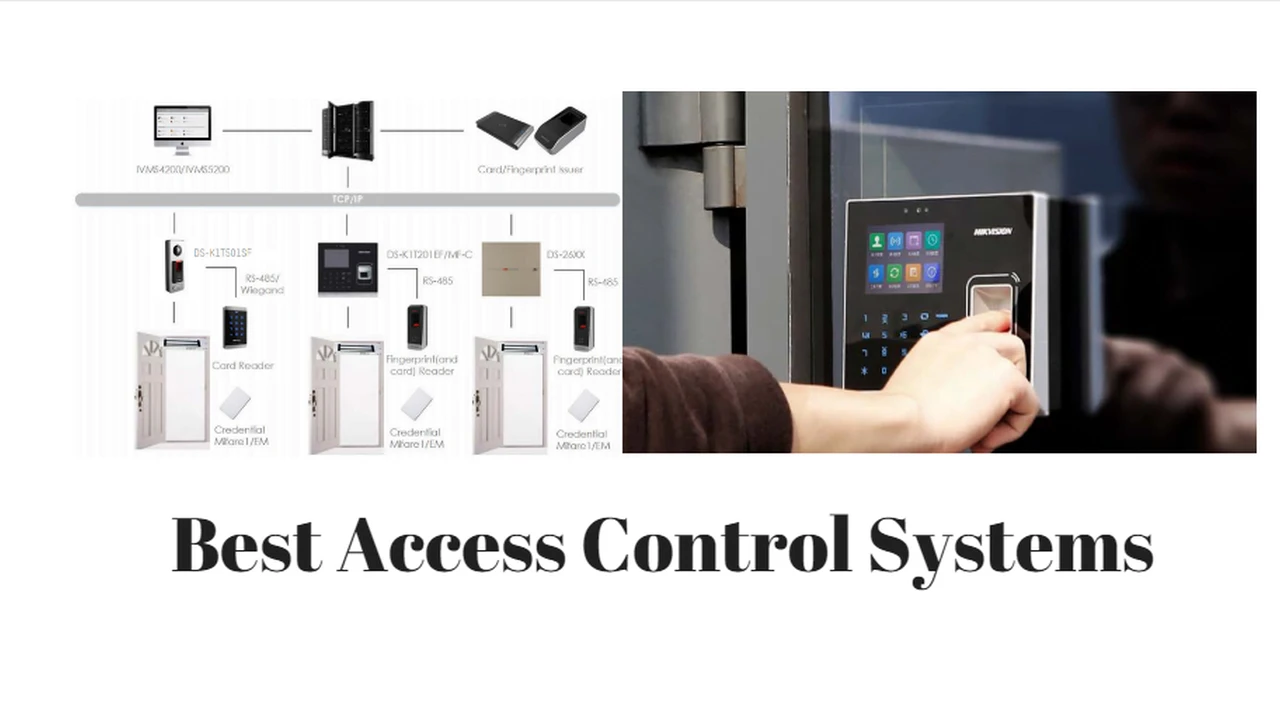
When selecting an access control system for a data center, several key features are non-negotiable. These features ensure comprehensive security, operational efficiency, and compliance. First and foremost, multi-factor authentication (MFA) is crucial. This goes beyond simple card swipes, incorporating biometrics (fingerprint, facial recognition, iris scans) or PINs to verify identity. This layered approach significantly reduces the risk of unauthorized access, even if a credential is stolen or compromised. Granular access control is another vital feature, allowing administrators to define precise access permissions for individuals or groups based on their roles and responsibilities. For example, a network engineer might have access to server rooms but not the power infrastructure, while a facilities manager might have the opposite. This level of control minimizes internal threats and ensures that personnel can only access what they absolutely need to. Real-time monitoring and alerting capabilities are also essential. The system should provide instant notifications of any unauthorized access attempts, door forced open events, or other security breaches, allowing security teams to respond immediately. Integration with other security systems, such as CCTV, intrusion detection, and environmental monitoring, creates a unified security platform. This synergy allows for a holistic view of the data center's security posture, enabling faster incident response and more effective threat mitigation. Audit trails and reporting are critical for compliance and forensic analysis. Every access event—who entered, where, and when—should be meticulously recorded and easily retrievable. This data is invaluable for demonstrating compliance with regulatory requirements and for investigating security incidents. Finally, scalability and flexibility are important considerations. Data centers are dynamic environments, constantly expanding and evolving. The access control system should be able to grow with the facility, accommodating new users, doors, and security zones without requiring a complete overhaul.
Top Access Control Systems for Data Centers Product Comparison
Let's dive into some of the leading access control systems that are particularly well-suited for the demanding environment of data centers. We'll compare their features, typical use cases, and approximate pricing to give you a clearer picture.
1. Genetec Security Center Synergis
Overview: Genetec Security Center Synergis is a unified security platform that seamlessly integrates access control, video surveillance (Omnicast), and license plate recognition (AutoVu). It's renowned for its scalability, open architecture, and robust feature set, making it a top choice for large, complex data center environments.
Key Features for Data Centers:
- Unified Platform: Synergis provides a single interface for managing access control and video surveillance, allowing for synchronized event viewing and faster incident response. If an access attempt is denied, the system can automatically pull up video footage from nearby cameras.
- Granular Access Control: Highly customizable access rules, schedules, and zones. Supports multi-factor authentication, including biometrics, smart cards, and mobile credentials.
- Cybersecurity Focus: Genetec places a strong emphasis on cybersecurity, with features like end-to-end encryption, secure communication protocols, and regular vulnerability assessments. This is crucial for protecting the access control system itself from cyber threats.
- Scalability: Designed to handle thousands of readers and millions of cardholders, making it suitable for even the largest hyperscale data centers.
- Compliance Reporting: Robust audit trails and reporting capabilities to meet various regulatory requirements.
- Integration: Open architecture allows for integration with a wide range of third-party hardware and software, including HR systems, visitor management, and environmental monitoring.
Typical Use Cases: Large enterprise data centers, co-location facilities, government data centers, and any organization requiring a highly integrated and scalable security solution.
Approximate Pricing: Genetec's pricing is typically project-based and can vary significantly depending on the scale and complexity of the deployment. A basic system for a small data center might start from $15,000 - $30,000 for software licenses and hardware, while a large enterprise deployment could easily run into hundreds of thousands or even millions of dollars. This usually involves a perpetual license model with annual maintenance fees.
2. LenelS2 OnGuard
Overview: LenelS2 OnGuard is another industry-leading access control system known for its reliability, comprehensive features, and strong integration capabilities. It's a popular choice for organizations that require a robust and mature security platform.
Key Features for Data Centers:
- Comprehensive Access Control: Supports a wide array of credential technologies, including smart cards, mobile credentials, and biometrics. Offers advanced access levels, anti-passback, and duress codes.
- Powerful Integration: OnGuard integrates seamlessly with LenelS2's own video management system (Prism) and a vast ecosystem of third-party security products, including intrusion detection, intercoms, and visitor management systems.
- High Availability: Designed for mission-critical environments, OnGuard offers features like redundant servers and databases to ensure continuous operation.
- Compliance and Auditing: Extensive logging and reporting features to track all access events, crucial for regulatory compliance and forensic investigations.
- Scalability: Capable of managing large numbers of doors and cardholders across multiple sites, making it suitable for growing data center operations.
- Cybersecurity: Incorporates security best practices to protect the system from cyber threats, including encrypted communications.
Typical Use Cases: Enterprise data centers, financial institutions, government facilities, and organizations with stringent security and compliance requirements.
Approximate Pricing: Similar to Genetec, LenelS2 OnGuard is an enterprise-grade solution with project-based pricing. A small to medium-sized data center implementation might range from $10,000 - $25,000 for core software and hardware, while larger deployments can easily exceed $100,000. Licensing is typically perpetual with annual support contracts.
3. HID Global pivCLASS
Overview: While HID Global is primarily known for its credentials and readers, their pivCLASS solution is a specialized access control system designed specifically for organizations that need to comply with government-mandated identity and access management standards, such as FIPS 201 (Personal Identity Verification - PIV) for federal agencies. This makes it highly relevant for government and critical infrastructure data centers.
Key Features for Data Centers:
- FIPS 201 Compliance: pivCLASS is built from the ground up to meet the stringent requirements of FIPS 201, ensuring high-assurance identity verification.
- Multi-Factor Authentication: Leverages PIV cards, which typically contain multiple authentication factors (e.g., cryptographic keys, biometrics, and visual inspection).
- Secure Credential Management: Provides tools for managing the lifecycle of PIV and other high-assurance credentials, including issuance, revocation, and renewal.
- Integration with Existing Systems: pivCLASS is often deployed as an overlay or integrated component with existing physical access control systems (PACS) from vendors like Genetec or LenelS2, enhancing their security posture.
- High Security Readers: Utilizes specialized readers designed to authenticate PIV cards securely.
Typical Use Cases: Government data centers, defense contractors, critical infrastructure data centers, and any organization requiring FIPS 201 compliance or extremely high-assurance identity verification.
Approximate Pricing: HID pivCLASS is typically an add-on or specialized component. The cost can vary widely depending on the number of readers, the complexity of the integration with an existing PACS, and the specific PIV card management requirements. Expect costs to be in the range of $5,000 - $20,000 per reader for the specialized hardware and software components, in addition to the base PACS cost.
4. Openpath Access Control
Overview: Openpath offers a modern, cloud-based access control solution that emphasizes mobile access, ease of use, and a frictionless entry experience. It's gaining popularity in data centers looking for a more flexible and future-proof system.
Key Features for Data Centers:
- Mobile Access: Patented 'Wave to Unlock' technology allows users to open doors with their smartphone, even if it's in their pocket. This provides a convenient and secure alternative to traditional key cards.
- Cloud-Based Management: The system is managed entirely from the cloud, offering remote administration, real-time updates, and scalability without on-premise servers.
- Multi-Factor Authentication: Supports mobile credentials, traditional key cards, and integrates with biometric readers.
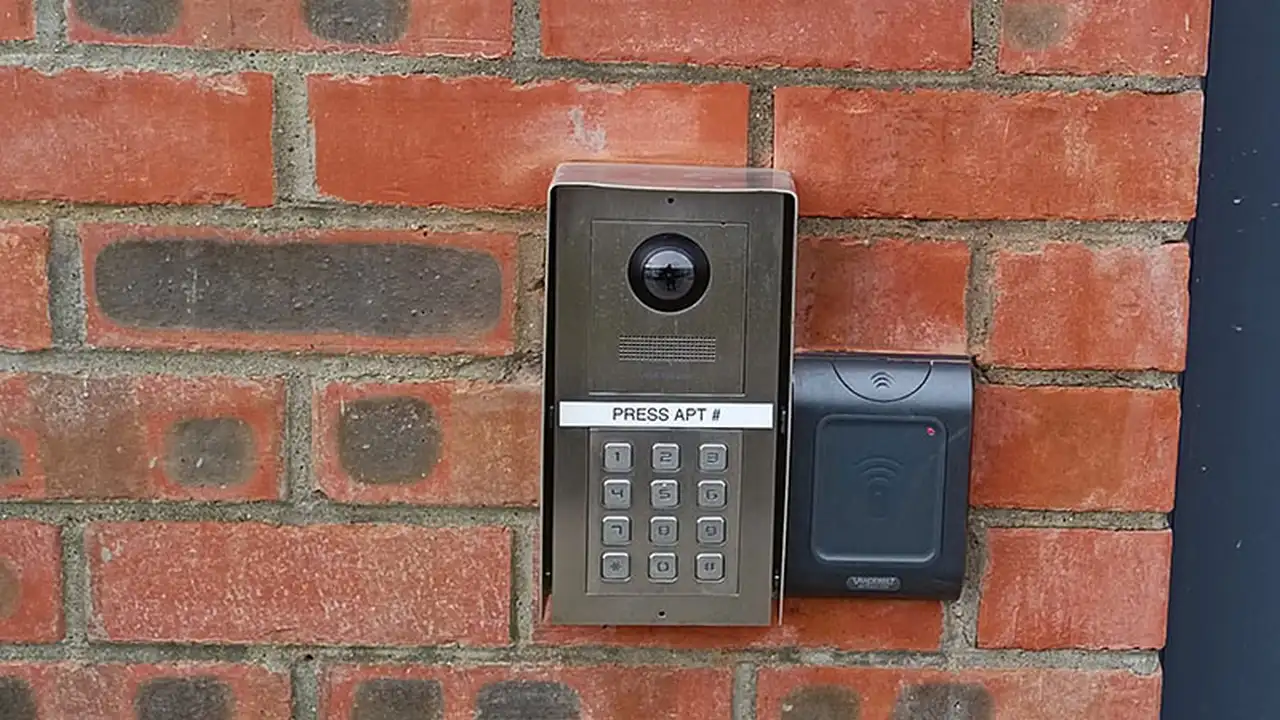
- Video Intercom Integration: Seamlessly integrates with video intercoms for visual verification of visitors.
- Granular Permissions: Easy-to-use interface for setting up detailed access schedules and permissions.
- Open API: Allows for integration with a wide range of third-party systems, including visitor management, HR, and building management systems.
- Cybersecurity: Strong encryption and secure cloud infrastructure protect data and communications.
Typical Use Cases: Modern data centers, co-working data centers, and facilities looking for a flexible, cloud-managed system with a focus on mobile access and user experience. Suitable for small to large deployments.
Approximate Pricing: Openpath typically uses a subscription-based model. Hardware costs for readers can range from $500 - $1,000 per door, plus an annual software subscription fee that can be $10 - $30 per user per month, or a per-door fee depending on the plan. A small data center might expect to pay $5,000 - $15,000 upfront for hardware, plus ongoing subscription costs.
5. Brivo Access
Overview: Brivo is a pioneer in cloud-based access control, offering a robust and scalable solution that is particularly well-suited for multi-site data center operations and organizations looking for simplified management.
Key Features for Data Centers:
- Cloud-Native: Fully cloud-based platform, eliminating the need for on-premise servers and reducing IT overhead.
- Mobile Access: Offers mobile credentials for convenient and secure entry via smartphones.
- Real-time Monitoring: Provides real-time alerts and activity logs accessible from anywhere with an internet connection.
- Scalability: Easily scales from a few doors to thousands across multiple locations, ideal for data center networks.
- Integration Ecosystem: Integrates with a wide range of third-party systems, including video surveillance, visitor management, and smart building platforms.
- Compliance Features: Robust audit trails and reporting capabilities to assist with compliance requirements.
- Cybersecurity: Strong focus on cloud security, data encryption, and secure access protocols.
Typical Use Cases: Distributed data center networks, co-location facilities, and organizations seeking a fully cloud-managed, scalable, and user-friendly access control system.
Approximate Pricing: Brivo also operates on a subscription model. Hardware costs for controllers and readers can range from $400 - $800 per door. The monthly subscription fee typically ranges from $10 - $25 per door, depending on the features and number of doors. A small data center might look at an initial hardware investment of $4,000 - $12,000, plus ongoing monthly fees.
Advanced Access Control Technologies for Data Centers
Beyond the core systems, several advanced technologies are becoming increasingly important for data center access control, offering enhanced security and operational efficiency.
Biometric Authentication for High-Security Zones
Biometrics, such as fingerprint, facial recognition, and iris scanning, provide a highly secure and convenient method of authentication. In data centers, biometrics are often deployed at critical entry points, such as server rooms, network operation centers (NOCs), and cages housing sensitive equipment. They offer a strong 'something you are' factor in multi-factor authentication. For instance, a fingerprint scan combined with a smart card swipe ensures that only the authorized cardholder can gain access. Facial recognition systems can also be integrated with video surveillance to provide passive authentication and identify individuals attempting to tailgate. The accuracy and speed of biometric readers have significantly improved, making them a practical choice for high-traffic, high-security areas. However, it's important to consider privacy implications and ensure compliance with data protection regulations when implementing biometric solutions.
Visitor Management Systems Integration
Data centers frequently host visitors, including vendors, contractors, and auditors. A dedicated visitor management system (VMS) integrated with the access control system streamlines the check-in process, enhances security, and provides a comprehensive audit trail. A VMS can pre-register visitors, issue temporary credentials, capture photos, and even conduct background checks. Upon arrival, visitors can quickly sign in, receive a temporary access card or mobile credential, and their access permissions are automatically configured based on their visit purpose and escort status. This integration ensures that visitors only access authorized areas and that their presence is fully documented, which is crucial for compliance and security investigations.
Cabinet and Rack Level Access Control
While perimeter and room-level access control are essential, securing individual server cabinets and racks adds another critical layer of protection. Rack-level access control systems, often using smart locks or biometric readers on cabinet doors, prevent unauthorized access to specific equipment. This is particularly important in co-location data centers where multiple tenants share a common space. These systems can log every instance of a cabinet being opened, by whom, and for how long, providing an incredibly detailed audit trail. This granular control helps prevent internal theft, accidental damage, and unauthorized tampering with critical IT assets. Some advanced systems can even integrate with environmental sensors within the racks to monitor temperature and humidity, further enhancing asset protection.
Video Surveillance and Access Control Synergy
The integration of video surveillance (CCTV) with access control creates a powerful security synergy. When an access event occurs—whether it's a successful entry, a denied attempt, or a forced door alarm—the access control system can trigger the video management system to record footage, display live feeds, or even pull up historical video associated with that event. This allows security personnel to visually verify identities, investigate suspicious activities, and gather evidence for forensic analysis. Advanced analytics within the video system can also detect tailgating, loitering, or objects left behind, further enhancing the effectiveness of the access control system. This combined approach provides a comprehensive visual and event-based record of all activity within the data center.
Implementing and Managing Data Center Access Control
Implementing and managing an access control system in a data center is a complex undertaking that requires careful planning and ongoing attention.
Planning and Design Considerations
The planning phase is critical. Start by conducting a thorough risk assessment to identify all potential threats and vulnerabilities. Define clear security zones within the data center (e.g., perimeter, lobby, data halls, server rooms, cages, NOCs) and determine the appropriate level of security for each zone. Map out access points, including doors, gates, turnstiles, and even cabinet doors. Consider the flow of personnel and equipment to ensure the system enhances security without impeding legitimate operations. Choose an open architecture system that can integrate with existing infrastructure and accommodate future expansion. Factor in redundancy for critical components to ensure continuous operation, even during power outages or system failures. Don't forget about emergency egress requirements and ensure the system complies with all fire and safety regulations.
Installation Best Practices
Professional installation is highly recommended for data center access control systems. Ensure that all wiring is properly secured and protected from interference. Install readers and sensors in locations that are difficult to tamper with. Calibrate biometric readers for optimal performance. Thoroughly test every component of the system, from card readers to door locks and alarm triggers, to ensure they function as expected. Document all installation details, including wiring diagrams, IP addresses, and configuration settings, for future maintenance and troubleshooting. Pay close attention to physical security during installation to prevent unauthorized access to the system's components.
Ongoing Maintenance and Updates
An access control system is not a set-it-and-forget-it solution. Regular maintenance is essential to ensure its continued effectiveness. This includes routine checks of hardware (readers, locks, controllers), software updates to patch vulnerabilities and add new features, and database management to keep user credentials and access permissions current. Conduct periodic security audits to identify any weaknesses or misconfigurations. Train staff regularly on system operation, emergency procedures, and security protocols. Keep detailed records of all maintenance activities and system changes. Proactive maintenance helps prevent system failures, extends the lifespan of equipment, and ensures the data center remains secure.
Compliance and Audit Trails
Data centers are subject to numerous regulatory compliance requirements, such as SOC 2, HIPAA, PCI DSS, and GDPR. A robust access control system is a key component in meeting these obligations. The system must generate comprehensive audit trails that record every access event, including who, what, where, and when. These logs should be tamper-proof and easily retrievable for auditors. The ability to generate custom reports on access activity, denied entries, and system alarms is crucial for demonstrating compliance. Regularly review audit logs for suspicious activity and ensure that access permissions are aligned with job roles and responsibilities. Maintaining a strong audit trail not only helps with compliance but also provides invaluable data for security investigations.
The Future of Data Center Access Control
The landscape of data center security is constantly evolving, driven by new threats and technological advancements. The future of access control in data centers will likely see even greater integration, intelligence, and automation.
AI and Machine Learning in Access Control
Artificial intelligence (AI) and machine learning (ML) are poised to revolutionize access control. AI-powered analytics can detect anomalous access patterns that might indicate a security breach, such as an employee attempting to access a server room outside of their usual working hours or an unusual number of denied access attempts at a specific door. ML algorithms can learn normal behavior patterns and flag deviations, reducing false alarms and allowing security personnel to focus on genuine threats. Facial recognition with liveness detection will become more sophisticated, preventing spoofing attempts. Predictive analytics, driven by AI, could even anticipate potential security risks based on historical data and environmental factors, allowing for proactive mitigation.
Seamless Integration with IT and OT Systems
The convergence of physical security (access control, CCTV) with IT security (network access, cybersecurity) and operational technology (OT) systems (BMS, power management) will become more pronounced. This seamless integration will create a truly unified security posture, where physical access events can trigger IT security responses, and vice versa. For example, if an unauthorized person gains physical access to a server, the system could automatically lock down network access for that server. This holistic approach will provide a more comprehensive defense against both physical and cyber threats, which are increasingly intertwined in data center environments. The goal is to create an intelligent, self-aware security ecosystem that can respond dynamically to evolving threats.
Identity-as-a-Service (IDaaS) and Zero Trust Principles
Identity-as-a-Service (IDaaS) platforms will play a larger role in managing identities and access across both physical and digital domains. This will simplify user management, streamline onboarding and offboarding processes, and ensure consistent application of access policies. Furthermore, the 'Zero Trust' security model, which dictates that no user or device should be trusted by default, will extend more deeply into physical access control. This means continuous verification of identity and authorization, even for individuals who have already gained initial entry. Every access request, whether physical or digital, will be authenticated and authorized based on context, such as location, time, and device posture, before access is granted. This granular, continuous verification will significantly enhance the security of data centers against both external and internal threats.
Choosing the right access control system for a data center is a critical decision that impacts security, compliance, and operational efficiency. By carefully considering the unique challenges of data center environments, evaluating key features, and exploring advanced technologies, organizations can implement a robust and future-proof solution that protects their most valuable assets.
:max_bytes(150000):strip_icc()/277019-baked-pork-chops-with-cream-of-mushroom-soup-DDMFS-beauty-4x3-BG-7505-5762b731cf30447d9cbbbbbf387beafa.jpg)