CCTV Systems with Advanced Motion Detection
Discover CCTV systems equipped with advanced motion detection technology to minimize false alarms and improve alerts.
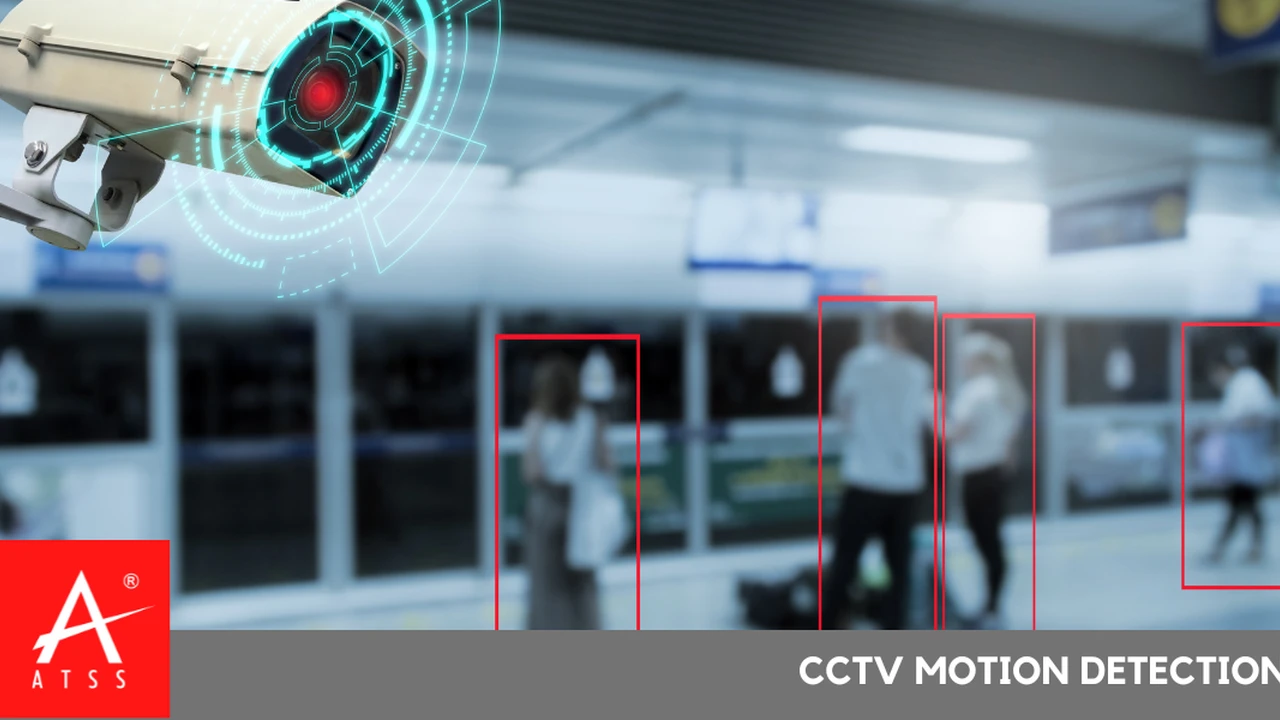
Discover CCTV systems equipped with advanced motion detection technology to minimize false alarms and improve alerts. This article dives deep into how these smart systems work, what features to look for, and recommends top products for both home and business use. We'll cover everything from basic motion sensing to AI-powered analytics, helping you choose the perfect system to keep your property secure and your notifications relevant.
CCTV Systems with Advanced Motion Detection
Understanding Motion Detection in CCTV Systems
When we talk about CCTV systems, motion detection is often one of the first features that comes to mind. It’s the core function that tells your camera to start recording or send you an alert when something moves in its field of view. But not all motion detection is created equal. Early systems relied on simple pixel changes, which meant a leaf blowing in the wind or a shadow shifting could trigger an alert. This led to a lot of 'false alarms' – notifications that weren't actually about a security threat. Advanced motion detection aims to solve this problem, making your security system smarter and more efficient.
How Basic Motion Detection Works
At its simplest, basic motion detection works by comparing consecutive frames of video. If a certain percentage of pixels change between frames, the system registers motion. Imagine a grid over your camera's view. If enough squares in that grid show a difference from one moment to the next, it triggers an event. While straightforward, this method is highly susceptible to environmental factors like changes in lighting, rain, snow, or even insects flying close to the lens. This often results in a flood of irrelevant notifications, making it hard to spot actual threats.
The Evolution to Advanced Motion Detection and Analytics
Advanced motion detection takes things a significant step further. Instead of just looking for pixel changes, these systems use more sophisticated algorithms and, increasingly, artificial intelligence (AI) and machine learning (ML) to analyze what’s happening in the frame. This allows them to differentiate between various types of movement and objects. For example, an advanced system can be trained to recognize the difference between a person, a vehicle, an animal, or even just swaying tree branches. This dramatically reduces false alarms and ensures you only get alerts for what truly matters.
Key Features to Look for in Advanced Motion Detection CCTV
When you're shopping for a CCTV system with advanced motion detection, there are several key features that can make a huge difference in its effectiveness and your overall experience. Don't just settle for 'motion detection' – dig into the specifics.
Human and Vehicle Detection for Smart Alerts
This is perhaps the most sought-after feature in advanced motion detection. Instead of just detecting 'motion,' these systems can specifically identify if the moving object is a human or a vehicle. This is incredibly useful. You probably want to know if a person is walking up your driveway at 2 AM, but you might not care if a car drives by on the street. Many systems allow you to customize alerts based on these classifications, so you only get notified for specific events.
Customizable Motion Zones and Sensitivity Settings
Most advanced systems allow you to define specific 'motion zones' within the camera's field of view. This means you can tell the camera to only pay attention to motion in certain areas, like your front door or a specific part of your yard, while ignoring areas like a busy sidewalk or a tree that frequently sways. Coupled with adjustable sensitivity settings, this gives you fine-grained control over what triggers an alert. You can set it to be highly sensitive for your front door but less so for a distant part of your garden.
AI Powered Object Recognition and Behavioral Analytics
This is where AI really shines. Beyond just identifying humans or vehicles, some high-end systems can perform more complex behavioral analytics. This might include detecting 'loitering' (a person staying in a specific area for an unusual amount of time), 'line crossing' (someone crossing a virtual line you've set up), or even 'left object detection' (an object being left behind in an unusual spot). These features are particularly valuable for businesses or high-security areas, providing proactive alerts for suspicious activities rather than just reactive ones.
Activity Zones and Privacy Masking for Focused Monitoring
Similar to motion zones, activity zones allow you to focus the camera's attention on specific areas. Privacy masking, on the other hand, lets you block out certain areas from being recorded or monitored at all. This is crucial for privacy, especially if your camera's view includes a neighbor's property or a public sidewalk where you have no right to record. It ensures you're only capturing what's relevant and legally permissible.
Pre-recording and Post-recording Capabilities for Comprehensive Footage
When motion is detected, you don't just want to start recording at that exact moment. 'Pre-recording' means the camera continuously buffers a few seconds of video, so when motion is detected, the recording includes the moments leading up to the event. This is vital for understanding the full context of what happened. 'Post-recording' ensures the camera continues to record for a set period after motion stops, capturing the entire event even if the subject moves out of frame quickly.
Top Recommended CCTV Systems with Advanced Motion Detection
Let's dive into some specific products that excel in advanced motion detection, catering to different needs and budgets. We'll look at options for home users, small businesses, and even more robust solutions.
For Home Users: User-Friendly and Smart
1. Arlo Pro 4 Spotlight Camera System
- Key Features: Wire-free design, 2K HDR video, integrated spotlight, color night vision, and advanced object detection (person, vehicle, animal, package). It uses AI to differentiate between these, significantly reducing false alarms. You can set up custom activity zones easily through the app.
- Use Case: Ideal for homeowners who want a flexible, easy-to-install system with smart alerts. Great for monitoring front doors, backyards, and driveways. The spotlight acts as a deterrent.
- Comparison: Compared to basic systems, Arlo's AI detection is a game-changer. It's more expensive than some entry-level cameras but the accuracy of its alerts makes it worth it. It's also wire-free, offering more placement flexibility than wired systems.
- Estimated Price: A single camera kit typically starts around $199-$249, with multi-camera packs costing more. Subscription for advanced features (Arlo Secure) is extra, starting around $2.99/month per camera or $9.99/month for unlimited cameras.
2. Ring Floodlight Cam Wired Pro
- Key Features: 1080p HD video, powerful LED floodlights, 3D Motion Detection with radar, Bird's Eye View (shows a map of where motion was detected), two-way talk, and a siren. The 3D Motion Detection is particularly advanced, allowing for more precise motion sensing and fewer false alerts from distant objects.
- Use Case: Excellent for larger outdoor areas like driveways, backyards, or side yards where you need both security monitoring and powerful illumination. The radar-based detection is very effective at distinguishing between different types of motion.
- Comparison: Ring's 3D Motion Detection is a unique selling point, offering a level of precision that many other cameras lack. It's a wired solution, so installation might be more involved than a wire-free camera, but it offers continuous power.
- Estimated Price: Around $249-$279. A Ring Protect subscription (starting at $3.99/month per device or $10/month per household) is needed for video recording and advanced features.
For Small Businesses: Reliable and Scalable
3. Reolink RLC-811A PoE Camera System
- Key Features: 4K Ultra HD resolution, 5x optical zoom, person/vehicle detection, built-in spotlight and siren, two-way audio, and Power over Ethernet (PoE) for simplified installation (single cable for power and data). It offers local storage via an SD card or Reolink NVR.
- Use Case: Perfect for small businesses, offices, or larger homes that need high-resolution video and reliable smart detection without recurring cloud fees. PoE simplifies wiring for multiple cameras.
- Comparison: Reolink offers excellent value for 4K resolution and smart detection without forcing a subscription. The PoE setup is more robust than Wi-Fi for business environments. While it lacks some of the deeper AI analytics of higher-end systems, its person/vehicle detection is very accurate.
- Estimated Price: A single RLC-811A camera is around $100-$120. An 8-channel NVR kit with multiple cameras can range from $400-$700. No mandatory subscription for core features.
4. Ubiquiti UniFi Protect G4 Pro Camera
- Key Features: 4K Ultra HD resolution, 3x optical zoom, advanced AI detection (person, vehicle, package), excellent low-light performance, and robust build quality. It integrates seamlessly with the UniFi Protect ecosystem, offering centralized management and local storage on a UniFi NVR (Network Video Recorder).
- Use Case: Ideal for small to medium businesses that want a professional-grade, scalable security system with powerful AI analytics and local storage. Requires a UniFi Protect NVR (like the Cloud Key Gen2 Plus or UNVR).
- Comparison: UniFi Protect is a more professional solution than consumer-grade cameras, offering superior management and scalability. Its AI detection is highly accurate, and the local storage model means no recurring fees for video storage. It requires a bit more technical know-how for setup.
- Estimated Price: G4 Pro camera is around $449. A UniFi Cloud Key Gen2 Plus (NVR) is around $199-$229. No subscription fees for software or storage.
For Advanced Applications: High-End and Intelligent
5. Axis Communications P32 Series Network Cameras
- Key Features: High-resolution options (up to 4K), Lightfinder and Forensic WDR for excellent image quality in challenging light, Zipstream technology for efficient storage, and support for advanced video analytics applications (e.g., Axis Guard Suite for loitering, intrusion detection, fence detection). These cameras are highly customizable and integrate with various VMS (Video Management Software) platforms.
- Use Case: Best for larger businesses, commercial properties, or critical infrastructure that require highly reliable, customizable, and scalable surveillance with advanced behavioral analytics.
- Comparison: Axis cameras are industry leaders, known for their robust hardware, superior image quality, and extensive analytics capabilities. They are significantly more expensive and require professional installation and a dedicated VMS, but they offer unparalleled performance and reliability for demanding environments.
- Estimated Price: Varies widely depending on the specific model and features, typically ranging from $500 to $1500+ per camera. Analytics licenses and VMS costs are additional.
Setting Up and Optimizing Advanced Motion Detection
Getting the most out of your advanced motion detection system isn't just about buying the right camera; it's also about proper setup and configuration. A poorly configured system, even with the best technology, can still lead to frustration.
Strategic Camera Placement for Optimal Coverage
Where you place your camera is paramount. Aim for a clear, unobstructed view of the area you want to monitor. Avoid placing cameras where they might be directly exposed to harsh sunlight or strong artificial lights at night, as this can cause glare and interfere with detection. Consider the height – too low and it's vulnerable, too high and details might be lost. Think about common entry points and high-traffic areas.
Configuring Motion Zones and Sensitivity Levels
Once installed, take the time to properly set up your motion zones. Draw boxes around the specific areas you care about, like your doorway or a gate, and exclude areas that generate false alarms, such as public sidewalks or trees. Experiment with sensitivity levels. Start with a medium setting and adjust up or down based on the number of relevant alerts you receive. It's a balance: too sensitive and you get false alarms; not sensitive enough and you might miss something important.
Leveraging AI and Object Classification for Precision
If your system offers AI-powered object classification (person, vehicle, animal, package), make sure these features are enabled and configured correctly. Many systems allow you to choose which types of objects trigger an alert. For instance, you might want alerts for people and vehicles but not for animals. This is where the real power of advanced detection comes in, filtering out the noise and giving you actionable intelligence.
Regular Review of Footage and Alert History
Don't just set it and forget it. Regularly review your recorded footage and alert history. This helps you identify patterns of false alarms and fine-tune your settings. You might discover that a certain bush is causing issues on windy days, or that your sensitivity is too high for passing cars. Adjusting these settings over time will make your system more effective and less annoying.
The Benefits of Minimizing False Alarms
Why go through all this trouble for advanced motion detection? The benefits are significant, impacting both your security and your peace of mind.
Reduced Notification Fatigue and Improved Alert Relevance
One of the biggest problems with basic motion detection is 'notification fatigue.' When your phone is constantly buzzing with alerts for leaves, shadows, or pets, you start to ignore them. This means you're more likely to miss a genuine threat. Advanced detection drastically reduces irrelevant notifications, ensuring that when your phone does buzz, it's usually for something you actually need to know about.
More Efficient Storage and Bandwidth Usage
Every time your camera records, it uses storage space (whether local or cloud) and bandwidth (if uploading to the cloud). False alarms mean your system is constantly recording and uploading unnecessary footage. By minimizing false alarms, you save on storage costs, extend the life of your storage devices, and reduce your internet bandwidth consumption, especially important if you have data caps.
Faster Response Times to Genuine Threats
When you're not sifting through dozens of irrelevant alerts, you can respond much faster to actual security incidents. A relevant alert means you can quickly check the live feed, assess the situation, and take appropriate action, whether that's activating a siren, speaking through two-way audio, or contacting authorities. This speed can be crucial in preventing theft or damage.
Enhanced Peace of Mind and Trust in Your System
Ultimately, a security system should provide peace of mind. If your system is constantly crying wolf, it can become a source of stress rather than reassurance. A system with accurate, advanced motion detection builds trust. You know that when it alerts you, it's for a good reason, allowing you to feel more secure and confident in your investment.
Future Trends in Motion Detection and CCTV
The world of CCTV and motion detection is constantly evolving. Here's a glimpse into what's next.
Even Smarter AI and Machine Learning Capabilities
Expect AI to become even more sophisticated. Cameras will not only identify objects but also understand more complex behaviors and contexts. Imagine a camera that can detect not just a person, but a person acting suspiciously, or a package that has been moved from its original spot. Predictive analytics will also become more common, potentially alerting you to potential threats before they fully materialize.
Integration with Other Smart Home and Business Systems
Advanced motion detection will become even more tightly integrated with other smart systems. A motion alert from your CCTV could trigger your smart lights to turn on, your smart lock to engage, or even your smart thermostat to adjust. This creates a more cohesive and responsive security ecosystem, where all your devices work together to protect your property.
Edge Computing for Faster and More Private Processing
Currently, much of the advanced AI processing happens in the cloud. However, 'edge computing' – processing data directly on the camera itself – is becoming more prevalent. This means faster analysis, reduced reliance on internet connectivity, and enhanced privacy, as sensitive video data doesn't always need to be sent to the cloud for processing. This will make systems even more responsive and secure.
Choosing a CCTV system with advanced motion detection is a smart move for anyone serious about security. By understanding the technology, selecting the right products, and optimizing your settings, you can create a highly effective surveillance system that provides genuine peace of mind and keeps false alarms to a minimum. It's about working smarter, not just harder, to protect what matters most.
:max_bytes(150000):strip_icc()/277019-baked-pork-chops-with-cream-of-mushroom-soup-DDMFS-beauty-4x3-BG-7505-5762b731cf30447d9cbbbbbf387beafa.jpg)