Home Alarm Systems for Vacation Homes and Remote Properties
Secure your remote properties with the best home alarm systems designed for off-grid and vacation homes.
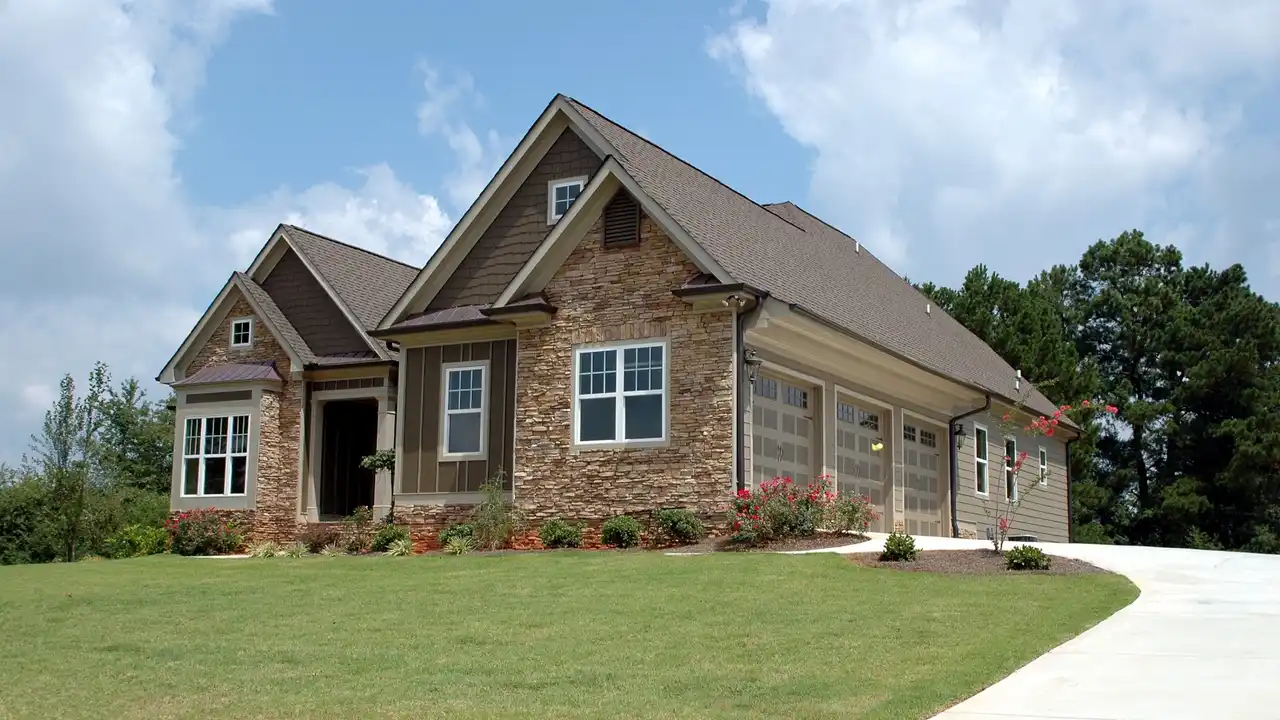
Secure your remote properties with the best home alarm systems designed for off-grid and vacation homes. Whether it's a cozy cabin in the woods, a beach house, or a rural retreat, vacation homes and remote properties present unique security challenges. They often sit vacant for extended periods, making them attractive targets for burglars, vandals, and even squatters. Traditional security solutions might not always cut it, especially when internet connectivity is spotty or power outages are frequent. That's where specialized home alarm systems come into play, offering peace of mind even when you're miles away.
Home Alarm Systems for Vacation Homes and Remote Properties
Why Vacation Homes and Remote Properties Need Specialized Security
Vacation homes and remote properties aren't your average suburban dwelling. They come with a distinct set of vulnerabilities that demand a more robust and often more self-sufficient security approach. Think about it: a typical home alarm system might rely heavily on a stable internet connection or consistent power supply. What happens when your remote cabin loses power for a few days, or the internet goes down during a storm? Your security could be compromised, leaving your property vulnerable.
One of the biggest issues is the extended periods of vacancy. A house that's obviously empty for weeks or months at a time is a beacon for opportunistic criminals. They have more time to scope out the property, plan their entry, and execute their crime without immediate detection. Vandalism can also be a significant problem, especially in more isolated areas where there are fewer eyes on the property. And let's not forget about environmental threats like burst pipes in winter or unexpected fires, which can cause extensive damage if not detected early.
Furthermore, remote locations often mean slower response times from law enforcement. If an alarm triggers, it might take longer for police to arrive, giving intruders more time to do damage or make off with your valuables. This makes early detection and deterrence even more critical. You need a system that can not only alert you immediately but also potentially deter criminals before they even get inside.
Key Features to Look for in Vacation Home Alarm Systems
When you're shopping for a security system for your vacation home or remote property, you'll want to prioritize certain features that address these unique challenges. It's not just about loud sirens anymore; it's about smart, resilient, and reliable protection.
Reliable Connectivity Options for Remote Locations
This is probably the most crucial factor. Many remote areas have unreliable or non-existent broadband internet. So, what's your backup plan? Look for systems that offer cellular backup. This means the system communicates with the monitoring center (or your phone) via a cellular network, much like your mobile phone. Even better, some systems offer dual-path communication, using both Wi-Fi and cellular, automatically switching if one fails. This ensures your system stays connected and can send alerts even if your internet goes out or is intentionally cut.
Long-Lasting Power Backup for Off-Grid Security
Power outages are more common in remote areas. A security system that goes dead when the power does is useless. Ensure the system you choose has a robust battery backup, ideally one that can last for several days. Some advanced systems can even integrate with solar power setups, making them truly off-grid capable. This is especially important for critical components like the main control panel and outdoor cameras.
Environmental Sensors for Comprehensive Protection
Beyond just intruders, vacation homes are susceptible to environmental damage. Imagine a burst pipe in winter, flooding your cabin for weeks before you discover it. Or a small electrical fire that escalates because no one is there to catch it. Look for systems that can integrate with smoke detectors, carbon monoxide detectors, and especially water leak sensors. These sensors can alert you to potential disasters, allowing you to take action before significant damage occurs. Temperature sensors can also be useful to monitor for freezing conditions that could lead to burst pipes.
Deterrent Features for Unoccupied Properties
Since response times might be slower, deterrence is key. Loud sirens are a must, but also consider systems that integrate with outdoor lighting. Motion-activated lights can startle intruders and make them think twice. Some advanced cameras even have built-in spotlights and two-way audio, allowing you to speak to potential intruders remotely, making them believe someone is home or watching. Visible security cameras and yard signs can also act as powerful deterrents.
Remote Monitoring and Control for Peace of Mind
The ability to check in on your property from anywhere is invaluable. A good system will offer a user-friendly mobile app that allows you to arm/disarm the system, view live camera feeds, check sensor status, and receive instant alerts. This remote access gives you peace of mind and allows you to respond quickly to any issues, even if you're thousands of miles away.
Durability and Weather Resistance for Outdoor Components
If you're installing outdoor cameras or sensors, they need to withstand the elements. Look for components with high IP ratings (Ingress Protection) that indicate resistance to dust and water. Extreme temperatures, humidity, and even wildlife can take a toll on outdoor equipment, so choose wisely.
Top Recommended Home Alarm Systems for Vacation Homes and Remote Properties
Let's dive into some specific systems that excel in securing vacation homes and remote properties. We'll look at their strengths, ideal use cases, and approximate pricing.
1. SimpliSafe: The DIY Champion with Cellular Backup
SimpliSafe is a fantastic option for vacation homes, especially if you're looking for a DIY solution that's easy to install and manage. Its biggest strength for remote properties is its reliable cellular monitoring, which comes standard with their professional monitoring plans. This means your system stays connected even if your internet goes down.
- Key Features: Easy DIY installation, cellular backup (with monitoring plan), long-lasting battery backup for components, a wide range of sensors (entry, motion, glass break, smoke, CO, water leak, temperature), optional professional monitoring, outdoor cameras with person detection.
- Use Cases: Ideal for cabins, beach houses, and rural properties where internet might be unreliable. Great for users who want a straightforward, self-installed system with professional monitoring as an option.
- Pros: No long-term contracts for monitoring, affordable equipment, excellent battery life, comprehensive sensor options, good customer support.
- Cons: Basic camera features compared to some competitors, professional monitoring is required for cellular backup and full smart home integration.
- Pricing: Starter kits range from $200-$500, depending on the number of sensors. Professional monitoring plans start around $18-$28 per month. Individual sensors are typically $15-$50 each.
- Specific Products:
- SimpliSafe The Hearth Package: A good starting point with a base station, keypad, 3 entry sensors, 2 motion sensors, a siren, and a smoke detector. Price: ~$380.
- SimpliCam Indoor Camera: Basic indoor camera for live view and motion alerts. Price: ~$99.
- Outdoor Camera: Weather-resistant camera with spotlight and two-way audio. Price: ~$189.
- Water Sensor: Essential for detecting leaks in unoccupied homes. Price: ~$19.
- Temperature Sensor: Alerts you if temperatures drop too low, preventing frozen pipes. Price: ~$29.
2. Ring Alarm Pro: The All-in-One Smart Home Hub with Internet Backup
Ring Alarm Pro takes security for remote properties to the next level by integrating a Wi-Fi 6 router directly into its base station. This means it can provide internet backup via cellular (with a Ring Protect Pro plan), ensuring your entire home stays connected, not just the alarm system. This is a game-changer for truly remote locations.
- Key Features: Integrated Eero Wi-Fi 6 router, cellular internet backup (with Ring Protect Pro), Z-Wave compatibility for smart home devices, wide range of Ring security cameras, professional monitoring, DIY installation.
- Use Cases: Excellent for vacation homes where you need both security and reliable internet, even during outages. Ideal for users already invested in the Ring ecosystem.
- Pros: Internet backup is a huge advantage, robust camera selection, easy integration with other Ring devices, affordable professional monitoring.
- Cons: Requires a Ring Protect Pro subscription for internet backup and cellular alarm monitoring, Eero router might be overkill for some small properties.
- Pricing: Ring Alarm Pro kits start around $250-$400. Ring Protect Pro plan is $20 per month or $200 annually.
- Specific Products:
- Ring Alarm Pro Base Station: The core of the system, acting as both alarm hub and Eero router. Price: ~$250 (often bundled).
- Ring Stick Up Cam Battery: Versatile indoor/outdoor camera, battery-powered for flexible placement. Price: ~$99.
- Ring Floodlight Cam Wired Pro: High-end outdoor camera with powerful floodlights and siren. Price: ~$249.
- Ring Alarm Contact Sensor: For doors and windows. Price: ~$20.
- Ring Alarm Flood & Freeze Sensor: Detects water leaks and low temperatures. Price: ~$35.
3. Arlo Security System: Camera-Centric with Local Storage and Cellular Option
Arlo is renowned for its high-quality wireless cameras, and their full security system builds on that strength. While primarily camera-focused, their new security system offers a modular approach with a multi-sensor and optional cellular backup for the hub. This makes it a strong contender for properties where visual verification is paramount.
- Key Features: Excellent wireless cameras (4K options, color night vision), local storage on the SmartHub, optional cellular backup for SmartHub, multi-sensor (motion, door/window, smoke/CO listener, water leak, light/temperature), professional monitoring available.
- Use Cases: Best for properties where high-definition video surveillance is a top priority. Suitable for homes with decent internet but needing a cellular fallback for the hub.
- Pros: Superior camera quality, truly wire-free cameras with long battery life, local storage reduces reliance on cloud, versatile multi-sensor.
- Cons: Can be more expensive, cellular backup for the hub is an add-on, not as comprehensive in terms of traditional alarm sensors as SimpliSafe.
- Pricing: Arlo cameras range from $100-$300+ each. The Arlo Security System (with multi-sensor and hub) starts around $200. Professional monitoring plans vary, often bundled with cloud storage.
- Specific Products:
- Arlo Pro 4 Spotlight Camera: 2K HDR video, color night vision, integrated spotlight. Price: ~$199.
- Arlo Ultra 2 Spotlight Camera: 4K HDR video, wider field of view, premium features. Price: ~$299.
- Arlo Security System (Base Station + Multi-Sensor): The core alarm system. Price: ~$199.
- Arlo SmartHub with Cellular & Battery Backup: Essential for remote locations, provides cellular connectivity for the hub. Price: ~$149 (often sold separately or as an upgrade).
4. Abode Security System: Flexible and Feature-Rich for Tech-Savvy Users
Abode offers a highly customizable and feature-rich system that appeals to those who want more control and smart home integration. Their Gateway hub includes cellular backup and can integrate with a vast array of Z-Wave and Zigbee devices, making it incredibly versatile for a remote property that might evolve into a smart home.
- Key Features: Cellular backup (with monitoring plan), Z-Wave and Zigbee compatibility, extensive third-party integration (HomeKit, Alexa, Google Assistant), professional monitoring (on-demand or continuous), wide range of sensors including environmental.
- Use Cases: Ideal for tech-savvy users who want a highly customizable system with strong smart home integration for their vacation property. Good for properties that might eventually have more smart devices.
- Pros: Excellent smart home integration, flexible monitoring options (self-monitor, on-demand, professional), robust cellular backup, comprehensive sensor selection.
- Cons: Can be a bit more complex to set up than SimpliSafe, equipment can be pricier.
- Pricing: Starter kits range from $200-$400. Professional monitoring plans start around $20-$35 per month.
- Specific Products:
- Abode Iota All-in-One Security Kit: Includes a gateway with built-in camera, motion sensor, and siren. Price: ~$329.
- Abode Gateway: The main hub, supports cellular backup. Price: ~$199.
- Abode Outdoor Smart Camera: Weather-resistant, 1080p video, two-way audio. Price: ~$189.
- Abode Acoustic Glass Break Sensor: Detects the sound of breaking glass. Price: ~$39.
- Abode Water Leak Sensor: Crucial for preventing water damage. Price: ~$39.
Installation and Maintenance Tips for Remote Property Security
Getting the right system is only half the battle. Proper installation and ongoing maintenance are crucial, especially for properties that aren't regularly occupied.
Strategic Placement of Sensors and Cameras
Don't just stick sensors anywhere. Think like a burglar. Cover all ground-floor windows and doors with entry sensors. Place motion sensors in main hallways and rooms that are likely entry points. For cameras, aim for clear views of all entry points, driveways, and vulnerable areas. Consider hidden cameras for discreet monitoring, but always ensure they are legally placed. For environmental sensors, put water leak detectors near water heaters, sinks, toilets, and in basements. Smoke and CO detectors should be on every level and near sleeping areas.
Ensuring Robust Power and Connectivity
If you're relying on cellular backup, make sure the base station is placed in an area with good cellular reception. Test it thoroughly. For battery-powered devices, regularly check battery levels via the app and replace them proactively, perhaps during your visits. If you have solar power, ensure your system can integrate with it or at least has sufficient battery reserves to last between charges.
Regular System Checks and Updates
Even when you're not there, make it a habit to check your system's status through the mobile app. Look for any offline sensors, low battery warnings, or connectivity issues. If your system has firmware updates, install them promptly to ensure optimal performance and security. Consider asking a trusted neighbor or local caretaker to do a physical check of the property and system periodically.
Deterrence Beyond the Alarm System
While the alarm system is central, don't forget other deterrents. Keep the exterior of your property well-maintained to avoid looking abandoned. Trim overgrown bushes that could provide cover for intruders. Use timers for indoor lights to simulate occupancy. Consider a 'Beware of Dog' sign, even if you don't have one. These small steps can significantly reduce your property's appeal to criminals.
Comparing the Options: Which System is Right for Your Remote Property?
Choosing the 'best' system really depends on your specific needs, budget, and technical comfort level. Let's break down the comparison a bit more:
For the DIY Enthusiast on a Budget: SimpliSafe
If you want an easy-to-install system that's reliable and won't break the bank, SimpliSafe is a strong contender. Its cellular backup is solid, and the range of sensors covers most needs. It's perfect for someone who wants a set-it-and-forget-it solution with professional monitoring as a safety net.
For the Connected Home and Internet Backup: Ring Alarm Pro
If your remote property also serves as a place where you need reliable internet, or if you're already heavily invested in the Ring ecosystem, the Ring Alarm Pro is a standout. The integrated Eero router with cellular internet backup is a unique feature that provides unparalleled connectivity resilience for your entire property.
For Visual Verification and High-Quality Cameras: Arlo Security System
When seeing is believing, Arlo shines. If you prioritize high-definition video surveillance, wire-free camera flexibility, and local storage, Arlo is your go-to. The multi-sensor adds a good layer of traditional alarm functionality, and the optional cellular backup for the hub provides that crucial redundancy.
For the Tech-Savvy and Smart Home Integrator: Abode
If you love tinkering with smart home devices, want extensive customization, and appreciate a system that can grow with your needs, Abode is an excellent choice. Its broad compatibility with Z-Wave and Zigbee devices means you can integrate almost anything, making your vacation home truly smart and secure.
Final Thoughts on Securing Your Remote Haven
Securing a vacation home or remote property requires a thoughtful approach. It's not just about preventing break-ins; it's about protecting your investment from a range of threats, both human and environmental. By prioritizing systems with robust connectivity, reliable power backup, and comprehensive sensing capabilities, you can create a security perimeter that offers true peace of mind. Remember to consider your specific property's vulnerabilities, your budget, and your comfort level with technology when making your choice. With the right system in place, your remote haven can remain safe and sound, waiting for your next visit.
:max_bytes(150000):strip_icc()/277019-baked-pork-chops-with-cream-of-mushroom-soup-DDMFS-beauty-4x3-BG-7505-5762b731cf30447d9cbbbbbf387beafa.jpg)