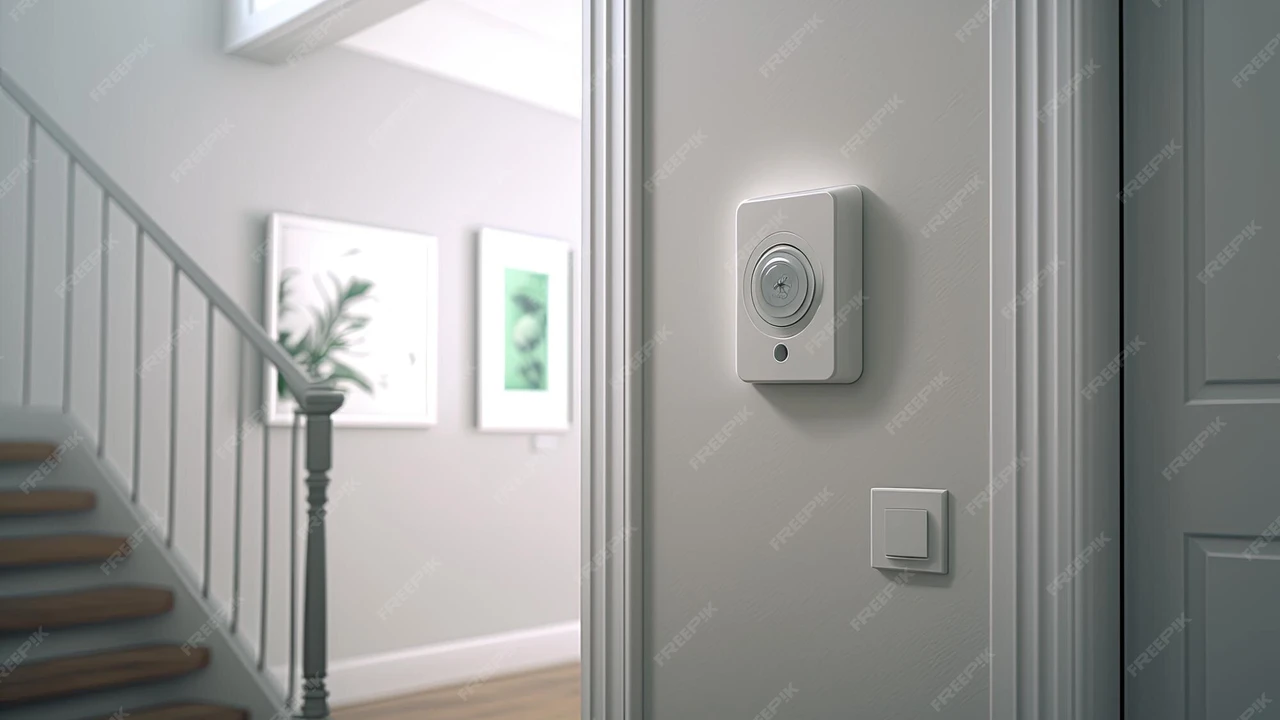
Home Alarm Systems with Environmental Monitoring
Explore alarm systems that include environmental sensors for detecting fire flood and carbon monoxide hazards.

Explore alarm systems that include environmental sensors for detecting fire flood and carbon monoxide hazards.
Home Alarm Systems with Environmental Monitoring
Beyond Burglary Protection The Rise of Environmental Sensors
When you think about a home alarm system, the first thing that probably comes to mind is protecting your property from intruders. And that's totally fair! Traditional security systems have always focused on deterring burglars and alerting you to unauthorized entry. But what if I told you that modern home alarm systems can do so much more? We're talking about a whole new level of protection that extends beyond just keeping bad guys out. We're diving deep into home alarm systems with environmental monitoring – systems that act as your vigilant guardian against a range of unseen and often silent threats like fire, flood, and carbon monoxide.
In today's smart home landscape, a truly comprehensive security setup isn't just about motion detectors and door/window sensors. It's about creating a holistic safety net that safeguards your family and your property from every angle. Environmental sensors are becoming an increasingly vital component of this holistic approach. They provide early warnings for hazards that can cause significant damage, pose serious health risks, or even be life-threatening. Imagine getting an alert on your phone the moment a small leak turns into a potential flood, or being notified of rising carbon monoxide levels before anyone in your household feels the effects. That's the power of environmental monitoring integrated into your home alarm system.
This article will walk you through everything you need to know about these advanced systems. We'll explore the different types of environmental sensors available, how they work, and why they're an absolute game-changer for home safety. We'll also look at some top-notch products on the market, compare their features, discuss their typical costs, and help you figure out which system is the best fit for your home and your peace of mind. So, let's get started on making your home not just secure, but truly safe!
Understanding Environmental Threats Fire Flood and Carbon Monoxide
Before we dive into the tech, let's quickly recap why these environmental threats are such a big deal and why early detection is crucial.
Fire Detection and Prevention with Smart Alarms
Fires are devastating. They can spread incredibly fast, destroying property and, more importantly, endangering lives. Traditional smoke detectors are good, but integrated fire sensors in a smart alarm system take it up a notch. These aren't just your run-of-the-mill beeping devices. They can differentiate between different types of smoke, reducing false alarms from cooking, and they can also detect rapid temperature increases. The real magic happens when they're connected to your central alarm system. If a fire is detected, the system can not only blare an alarm but also send instant notifications to your phone, alert a professional monitoring center (if you have that service), and even trigger other smart home devices like unlocking doors for easier escape or turning on lights to illuminate exit paths. This integration means a faster response, whether you're home or away, which can make all the difference in minimizing damage and ensuring everyone's safety.
Flood and Water Leak Detection for Property Protection
Water damage is a homeowner's nightmare. Burst pipes, overflowing toilets, leaky appliances, or even heavy rain can lead to thousands of dollars in repairs, mold growth, and structural issues. Flood sensors, also known as water leak detectors, are designed to catch these problems early. These small, often discreet devices are placed in areas prone to leaks, such as under sinks, near water heaters, in basements, or laundry rooms. When they detect even a small amount of water, they trigger an alert. Again, when integrated with your home alarm system, this means instant notifications to your phone. Some advanced systems can even be linked to smart water shut-off valves, automatically cutting off your home's water supply to prevent further damage. This proactive approach can save you a huge headache and a significant amount of money in repair costs.
Carbon Monoxide Detection The Silent Killer
Carbon monoxide (CO) is often called the 'silent killer' because it's an odorless, colorless, and tasteless gas that can be deadly. It's produced by incomplete combustion in fuel-burning appliances like furnaces, water heaters, gas stoves, and fireplaces. Symptoms of CO poisoning can mimic the flu, making it hard to detect without a dedicated sensor. Integrated carbon monoxide detectors are absolutely essential. They constantly monitor CO levels in your home and will sound a loud alarm and send alerts to your system and phone if dangerous levels are detected. This early warning is critical, giving you and your family precious time to evacuate and seek fresh air. Unlike smoke detectors, CO detectors have a limited lifespan (typically 5-7 years), so it's important to check their expiration dates and replace them as needed.
How Integrated Environmental Monitoring Works Seamless Protection
So, how do all these different sensors talk to each other and to you? It's all about integration and connectivity.
The Central Hub Your Alarm System's Brain
At the heart of any integrated system is the central hub or control panel. This is the brain that receives signals from all your sensors – whether they're for intrusion, fire, flood, or CO. When a sensor is triggered, it sends a signal to the hub. The hub then processes this information and initiates the appropriate response. This could be sounding a siren, flashing lights, sending push notifications to your smartphone, or contacting a professional monitoring service.
Wireless Connectivity and Smart Home Integration
Most modern environmental sensors are wireless, making them easy to install and flexible in placement. They communicate with the central hub using various wireless protocols like Z-Wave, Zigbee, Wi-Fi, or proprietary frequencies. This wireless nature also allows for seamless integration with other smart home devices. For example, if a fire alarm goes off, your smart lights could automatically turn on to guide you out, or your smart thermostat could shut down the HVAC system to prevent the spread of smoke. If a flood is detected, smart water valves can automatically close. This interconnectedness creates a truly intelligent and responsive home safety system.
Professional Monitoring vs Self Monitoring for Environmental Alerts
Just like with intrusion alarms, you usually have two options for environmental monitoring: professional monitoring or self-monitoring.
- Professional Monitoring: With this service, your alarm system is connected to a central monitoring station staffed by professionals 24/7. If a fire, flood, or CO alarm is triggered, the monitoring center is immediately notified. They will then attempt to contact you to verify the emergency and, if necessary, dispatch emergency services (fire department, paramedics, etc.) to your home. This provides an extra layer of security and peace of mind, especially when you're away from home or unable to respond to an alert yourself.
- Self-Monitoring: In a self-monitored setup, when an environmental sensor is triggered, the system sends alerts directly to your smartphone or other designated contacts. You are then responsible for assessing the situation and contacting emergency services if needed. This option is typically more affordable as it doesn't involve monthly fees for a monitoring service, but it requires you to be vigilant and responsive to alerts.
For critical threats like fire and carbon monoxide, professional monitoring is highly recommended, as it ensures a rapid and reliable response even if you're unreachable.
Top Home Alarm Systems with Environmental Monitoring Product Recommendations
Alright, let's get to some specific product recommendations. These systems are well-regarded for their robust security features, including excellent environmental monitoring capabilities. Keep in mind that prices can vary based on packages, installation, and ongoing monitoring fees.
1. SimpliSafe The DIY Friendly Option with Comprehensive Sensors
SimpliSafe is a popular choice for DIY enthusiasts who want a comprehensive security system without professional installation headaches. Their system is incredibly easy to set up, and they offer a wide range of environmental sensors that integrate seamlessly.
- Key Features: SimpliSafe offers smoke detectors, CO detectors, and water sensors. Their smoke and CO detectors are often combined into a single unit for convenience. The water sensors are small and can be placed discreetly. All sensors communicate wirelessly with the SimpliSafe Base Station.
- Integration: Works with Amazon Alexa and Google Assistant for voice control.
- Monitoring: Offers both self-monitoring (with app alerts) and professional monitoring plans. Their professional monitoring is highly rated for quick response times.
- Typical Cost: A basic system starts around $200-$300 for hardware, but you'll need to add environmental sensors, which are typically $30-$50 each. Professional monitoring plans range from $17.99 to $27.99 per month.
- Use Case: Ideal for renters or homeowners who prefer a flexible, easy-to-install system with no long-term contracts. Great for apartments, condos, and single-family homes.
- Pros: Easy DIY installation, no contracts required for self-monitoring, affordable professional monitoring, wide range of sensors.
- Cons: Limited smart home integration compared to some competitors, cameras are decent but not top-tier.
2. Ring Alarm Pro Smart Home Security with Eero Wi-Fi 6 Router
Ring, known for its video doorbells, has expanded into full-fledged home security with the Ring Alarm system. The Ring Alarm Pro takes it a step further by integrating an Eero Wi-Fi 6 router, offering not just security but also a robust internet connection and local storage for video recordings.
- Key Features: Ring offers smoke and CO listeners (which detect the sound of existing smoke/CO alarms), as well as dedicated flood and freeze sensors. The system integrates well with Ring cameras and other Amazon Alexa-enabled devices.
- Integration: Deep integration with Amazon Alexa and other Ring devices.
- Monitoring: Offers self-monitoring and professional monitoring through Ring Protect Plus, which also includes cellular backup and extended warranties.
- Typical Cost: A Ring Alarm Pro kit starts around $250-$300. Environmental sensors are typically $30-$40 each. Ring Protect Plus professional monitoring is $20 per month or $200 annually.
- Use Case: Excellent for Amazon Alexa users and those who already have Ring cameras. The integrated Eero router is a big plus for homes needing better Wi-Fi coverage and local video storage.
- Pros: Strong integration with Alexa ecosystem, Eero Wi-Fi 6 router built-in, affordable professional monitoring, local video storage.
- Cons: Smoke/CO listeners are not as proactive as dedicated sensors (they listen for existing alarms), some users report occasional false alarms.
3. Abode Home Security System The Smart Home Integrator's Dream
Abode is a fantastic option for those who want a highly customizable and smart home-friendly security system. It supports a wide array of third-party devices and offers robust environmental monitoring.
- Key Features: Abode offers dedicated smoke alarms, CO alarms, and water leak sensors. Their system is known for its extensive compatibility with Z-Wave, Zigbee, and HomeKit devices, making it a central hub for your entire smart home.
- Integration: Excellent integration with Apple HomeKit, Google Assistant, Amazon Alexa, IFTTT, and other smart home platforms.
- Monitoring: Offers self-monitoring with app alerts and professional monitoring plans with cellular backup and video verification.
- Typical Cost: Starter kits range from $200-$300. Environmental sensors are typically $40-$60 each. Professional monitoring plans range from $6 to $20 per month, with varying features.
- Use Case: Perfect for tech-savvy users who want to build a highly integrated smart home ecosystem around their security system. Great for homeowners who value customization and broad compatibility.
- Pros: Extensive smart home integration, highly customizable, flexible monitoring options, sleek design.
- Cons: Can be a bit more complex to set up for beginners, higher upfront cost for some components.
4. ADT Command and Control Professional Grade Security
ADT is a household name in home security, known for its professional installation and monitoring services. Their ADT Command and Control system offers top-tier security with comprehensive environmental monitoring.
- Key Features: ADT offers professionally installed and monitored smoke detectors, CO detectors, and flood sensors. These are commercial-grade sensors designed for reliability. The system is robust and designed for maximum security.
- Integration: Integrates with a range of smart home devices through Z-Wave, including smart locks, thermostats, and lighting.
- Monitoring: ADT is primarily a professional monitoring service. Their plans include 24/7 monitoring, cellular backup, and rapid emergency dispatch.
- Typical Cost: Upfront equipment and installation costs can vary widely, often starting from a few hundred dollars and going up depending on the size of your home and chosen package. Monthly monitoring fees typically range from $40-$60, often with a multi-year contract.
- Use Case: Best for homeowners who want a professionally installed and monitored system, prefer not to deal with DIY setup, and value the peace of mind that comes with a well-established security provider. Ideal for larger homes or those with complex security needs.
- Pros: Professional installation and monitoring, highly reliable equipment, strong customer support, comprehensive coverage.
- Cons: Higher monthly fees, typically requires a long-term contract, less flexible for DIY customization.
5. Vivint Smart Home Security Premium Integrated Experience
Vivint offers a premium, professionally installed smart home security system that excels in integration and user experience. They provide a truly connected home, with environmental monitoring as a core component.
- Key Features: Vivint offers dedicated smoke detectors, CO detectors, and water sensors. Their system is known for its sleek touchscreen panel, high-quality cameras, and seamless integration of all smart home devices.
- Integration: Deep integration with Vivint's own smart home ecosystem, including smart locks, thermostats, lighting, and garage door openers. Also works with Amazon Alexa and Google Assistant.
- Monitoring: Vivint provides 24/7 professional monitoring with cellular backup and advanced features like video verification.
- Typical Cost: Equipment costs can be significant, often starting from $500-$1000+ depending on the package. Vivint often offers financing options for equipment. Monthly monitoring fees typically range from $40-$70, usually with a multi-year contract.
- Use Case: Excellent for homeowners who want a fully integrated, high-end smart home experience with professional installation and monitoring. Ideal for those who value convenience, advanced features, and a unified smart home platform.
- Pros: Professional installation, excellent smart home integration, high-quality equipment, intuitive user interface.
- Cons: Higher upfront and monthly costs, long-term contracts, less flexible for DIY.
Comparing Features and Making Your Choice Key Considerations
Choosing the right system involves weighing several factors. It's not just about the price tag; it's about what fits your lifestyle, your home, and your comfort level with technology.
Sensor Types and Coverage What You Need
First, consider the specific environmental threats you're most concerned about. Do you live in an area prone to flooding? Do you have older appliances that might pose a CO risk? Ensure the system you choose offers dedicated sensors for smoke, CO, and water leaks. Some systems also offer freeze sensors, which are great for preventing burst pipes in colder climates or in vacation homes. Think about where you'll place these sensors for optimal coverage – near water heaters, under sinks, in basements, near furnaces, and in sleeping areas for smoke/CO detectors.
Integration with Existing Smart Home Devices Maximizing Efficiency
If you already have smart home devices like smart lights, thermostats, or voice assistants (Alexa, Google Assistant), you'll want a security system that plays nicely with them. Systems like Abode and Ring (for Alexa users) excel in this area, allowing you to create automated routines that enhance safety. For example, if a fire alarm goes off, your smart lights could automatically turn on to full brightness, and your smart doors could unlock. This level of integration makes your home truly smart and responsive to emergencies.
Installation Options DIY vs Professional Setup
Are you comfortable with a screwdriver and following instructions, or do you prefer someone else to handle the heavy lifting? DIY systems like SimpliSafe and Ring are designed for easy self-installation, saving you money on installation fees. Professional systems like ADT and Vivint handle everything for you, from initial setup to ongoing maintenance, which can be a huge relief for those who aren't tech-savvy or prefer a hands-off approach.
Monitoring Services Professional vs Self-Monitoring Costs and Benefits
This is a big one. Professional monitoring offers peace of mind, knowing that trained operators are always watching over your home and can dispatch emergency services. This is especially valuable for fire and CO detection, where every second counts. However, it comes with a monthly fee. Self-monitoring is more budget-friendly but puts the responsibility squarely on your shoulders to respond to alerts. Consider your lifestyle – are you frequently away from home? Do you have reliable cell service? Your answers will help guide this decision.
Cost Considerations Upfront vs Ongoing Expenses
Look at the total cost of ownership. This includes the upfront cost of equipment (sensors, hub, cameras, etc.), any installation fees, and the ongoing monthly fees for monitoring or cloud storage. DIY systems often have lower upfront costs but may require you to purchase more components individually. Professional systems might have higher upfront costs or require contracts, but they often bundle services and equipment. Always read the fine print regarding contracts and cancellation policies.
Installation and Maintenance Tips Ensuring Optimal Performance
Once you've chosen your system, proper installation and regular maintenance are key to ensuring it works effectively when you need it most.
Strategic Placement of Environmental Sensors Maximizing Detection
- Smoke Detectors: Install them on every level of your home, inside and outside sleeping areas. Avoid placing them too close to kitchens or bathrooms where steam can cause false alarms.
- Carbon Monoxide Detectors: Place them on every level of your home, especially near sleeping areas and close to fuel-burning appliances. Don't place them directly above or next to these appliances, as initial CO levels might be too high.
- Water Leak Sensors: Position these in areas prone to leaks: under sinks, near water heaters, washing machines, dishwashers, toilets, and in basements or crawl spaces.
- Freeze Sensors: Ideal for basements, attics, or areas with exposed pipes, especially in colder climates.
Regular Testing and Battery Replacement Keeping Your System Ready
This is non-negotiable! Test your smoke and CO detectors monthly by pressing the test button. Replace batteries in wireless sensors at least once a year, or as indicated by the system's low battery alerts. For professionally monitored systems, they often conduct remote tests, but it's still good practice to manually test occasionally. Check water sensors periodically by placing them in a small puddle of water to ensure they trigger an alert.
Firmware Updates and System Checks Staying Current
Most smart alarm systems receive over-the-air firmware updates. Ensure your system is always running the latest software to benefit from new features, bug fixes, and security enhancements. Periodically check your system's status through the mobile app or control panel to ensure all sensors are online and communicating correctly. If you notice any offline sensors or error messages, address them promptly.
The Future of Environmental Monitoring Predictive and Proactive Safety
The technology for environmental monitoring is constantly evolving. What can we expect in the future?
AI and Machine Learning for Smarter Detection
Artificial intelligence and machine learning are already being integrated into security cameras for better person detection. We'll see this expand to environmental sensors. Imagine smoke detectors that can differentiate between cooking smoke and a real fire with even greater accuracy, or water sensors that can predict a pipe burst based on subtle changes in water pressure or temperature. AI could also analyze environmental data over time to identify patterns and provide predictive alerts, helping you address potential issues before they become emergencies.
Integration with Community and Emergency Services
Further integration with local emergency services could streamline response times even more. Instead of just dispatching, systems could provide real-time data to first responders, such as the exact location of a fire or flood within your home, or even floor plans. This could significantly improve efficiency and safety for both residents and emergency personnel.
Hyper-Local Environmental Monitoring Beyond Your Home
While current systems focus on your immediate property, future environmental monitoring might extend to hyper-local weather and air quality data. Your home alarm system could alert you to localized flash flood warnings, severe air pollution spikes, or even nearby chemical spills, providing a broader scope of environmental awareness and protection.
Ultimately, integrating environmental monitoring into your home alarm system isn't just an upgrade; it's a fundamental shift towards a more comprehensive and proactive approach to home safety. By protecting against fire, flood, and carbon monoxide, you're not just securing your property; you're safeguarding your family's health and well-being. It's about having peace of mind, knowing that your home is watching out for you, even when you can't be there yourself. So, take the plunge, explore the options, and make your home a safer place for everyone.
:max_bytes(150000):strip_icc()/277019-baked-pork-chops-with-cream-of-mushroom-soup-DDMFS-beauty-4x3-BG-7505-5762b731cf30447d9cbbbbbf387beafa.jpg)