Integrated Security Solutions with Cloud Management
Explore integrated security solutions that offer cloud-based management for flexible and scalable security operations.
Explore integrated security solutions that offer cloud-based management for flexible and scalable security operations. This article dives deep into the world of cloud-managed integrated security, discussing its benefits, key features, product recommendations, and how it's revolutionizing security for businesses of all sizes.
Integrated Security Solutions with Cloud Management
The Rise of Cloud Managed Security Systems
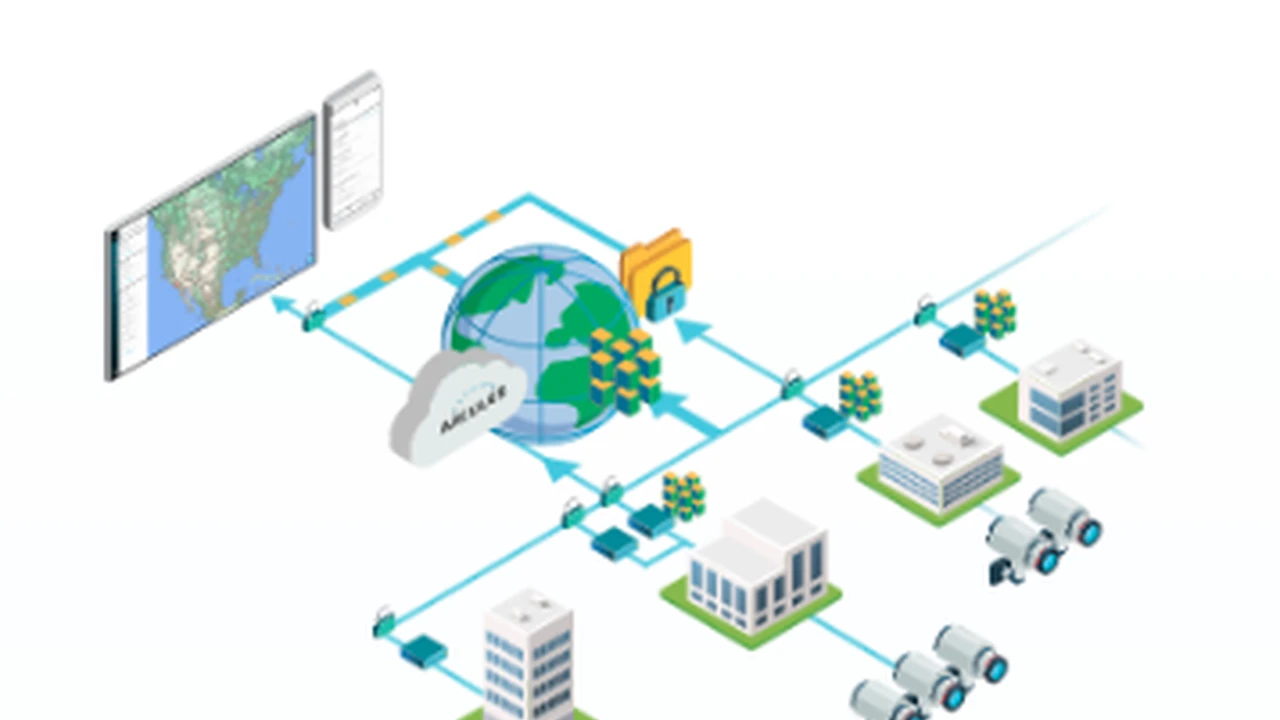
Hey there! Let's talk about something super important for businesses today: keeping things safe and sound. For a long time, security systems were these big, clunky things that lived in a server room, needing constant attention from IT folks. But guess what? The cloud has changed everything! We're now seeing a massive shift towards integrated security solutions that are managed entirely in the cloud. This isn't just a fancy new trend; it's a game-changer for flexibility, scalability, and making your security operations way more efficient. Think about it: no more dedicated servers, no more complex software installations, and no more being tied to a physical location to manage your security. It's all about accessing and controlling your security from anywhere, anytime, with just an internet connection. This is especially appealing for businesses with multiple locations, remote teams, or those looking to reduce their on-premise IT infrastructure. Cloud management brings a level of agility and responsiveness that traditional systems just can't match. It's like having a super-smart security guard who's always on duty, everywhere at once, and can be updated with new skills instantly. This shift is driven by the need for more dynamic and adaptable security postures in an increasingly distributed and digital world. Businesses are realizing that their security needs to be as agile as their operations, and cloud management provides that agility.
Key Benefits of Cloud Based Integrated Security for Businesses
So, why are so many businesses jumping on the cloud security bandwagon? Well, the benefits are pretty compelling. First off, cost savings are a huge draw. You're looking at significantly reduced upfront hardware costs, lower maintenance expenses, and often, a more predictable subscription-based pricing model. No more shelling out big bucks for servers and then having to pay someone to keep them running. Secondly, scalability and flexibility are unmatched. Need to add a new camera, an access control point, or expand to a new office? With cloud management, it's usually a breeze. You can scale your security infrastructure up or down as your business needs change, without major overhauls. This is a massive advantage for growing businesses or those with fluctuating operational requirements. Thirdly, remote accessibility and centralized management are game-changers. Imagine being able to monitor all your security cameras, manage access control, and review alarm events from your smartphone, tablet, or laptop, no matter where you are. This is incredibly powerful for business owners and security managers who are often on the go. Fourthly, enhanced data security and reliability are often better than on-premise solutions. Reputable cloud providers invest heavily in cybersecurity measures, data redundancy, and disaster recovery, often exceeding what individual businesses can achieve on their own. Your data is typically encrypted, backed up, and stored in secure data centers. Finally, automatic updates and maintenance mean you're always running on the latest software with the newest features and security patches, without you having to lift a finger. This frees up your IT team to focus on more strategic initiatives rather than routine security system maintenance. These benefits collectively make a strong case for adopting cloud-managed integrated security solutions, offering a modern, efficient, and robust approach to protecting your assets and people.
Top Cloud Managed Integrated Security Solutions Product Recommendations
Alright, let's get down to some specifics. When it comes to cloud-managed integrated security, there are some fantastic players in the market. Here are a few top recommendations, keeping in mind different business sizes and needs:
Verkada: Seamless Cloud Security for Modern Enterprises
Verkada is a big name in this space, and for good reason. They offer a truly integrated platform that covers video security, access control, environmental sensors, and even alarm monitoring, all managed from a single, intuitive cloud dashboard. Their cameras are known for their high quality, built-in storage, and powerful analytics, making them super smart. For example, their Verkada CD52 Dome Camera (around $1,000 - $1,500 per camera, plus subscription) is a popular choice for indoor surveillance, offering 5MP resolution and AI-powered analytics like people counting and motion detection. For access control, their Verkada AC41 Access Controller (around $1,200 - $1,800 per controller, plus subscription) integrates seamlessly with their platform, allowing you to manage employee access, visitor entry, and even integrate with existing door hardware. The beauty of Verkada is its simplicity and scalability. You can start with a few cameras and easily add more devices as your business grows. It's particularly well-suited for businesses with multiple locations, like retail chains, schools, or healthcare facilities, where centralized management is crucial. The cloud platform provides real-time alerts, remote viewing, and easy sharing of footage, making incident response much faster. Their subscription model covers software updates, cloud storage, and support, making budgeting straightforward. The user interface is incredibly user-friendly, meaning less training for your staff. Verkada's focus on ease of use and powerful analytics makes it a strong contender for businesses looking for a modern, all-in-one security solution.
Rhombus Systems: Intelligent Video Security and Access Control in the Cloud
Rhombus Systems is another excellent option, focusing heavily on intelligent video security and access control, all managed through their cloud platform. They emphasize AI-powered analytics and a user-friendly interface. Their cameras, like the Rhombus R200 Dome Camera (around $700 - $1,000 per camera, plus subscription), offer features like facial recognition, license plate recognition, and object detection, which can be incredibly valuable for proactive security. For access control, their Rhombus A100 Access Control Reader (around $400 - $600 per reader, plus subscription) integrates with their video platform, allowing for visual verification of access events. Rhombus is great for businesses that want advanced analytics without the complexity. Their platform is designed to be very intuitive, making it easy for security teams to quickly find what they're looking for and respond to events. They also offer robust API integrations, which is a big plus for businesses that want to connect their security system with other business applications. This allows for a truly integrated ecosystem where security data can inform other operational decisions. Rhombus is often chosen by tech-forward companies, educational institutions, and businesses that prioritize smart video surveillance and seamless access management. Their cloud platform ensures that all devices are always up-to-date and that data is securely stored and accessible from anywhere. The ability to quickly search through footage for specific events or individuals is a major time-saver and enhances overall security effectiveness.
Openpath: Modern Cloud Based Access Control for Dynamic Workplaces
While Verkada and Rhombus offer broader integrated solutions, Openpath specializes in cloud-based access control, and they do it exceptionally well. They're known for their touchless entry solutions, mobile credentials, and robust integration capabilities. Their Openpath Smart Reader 2 (around $500 - $800 per reader, plus subscription) allows for hands-free entry using your smartphone, which is a huge convenience and a hygiene benefit, especially in today's world. They also offer traditional key card and fob options. Openpath's strength lies in its flexibility and user experience. It's perfect for modern offices, co-working spaces, and businesses that want to offer a seamless and secure entry experience for employees and visitors. Their cloud platform makes it incredibly easy to manage user permissions, schedules, and visitor access from anywhere. You can grant temporary access, revoke credentials instantly, and get real-time alerts on door activity. Openpath integrates well with other security systems, including video surveillance, and offers a powerful API for custom integrations. This makes it a great choice for businesses that already have a video surveillance system in place and are looking to upgrade their access control to a modern, cloud-managed solution. The focus on mobile credentials also reduces the cost and hassle associated with managing physical key cards. Openpath is all about making access control smart, secure, and incredibly convenient.
Eagle Eye Networks: Cloud Video Surveillance for Scalability and Analytics
Eagle Eye Networks is a leader in cloud video surveillance, offering a powerful platform that can integrate with a wide range of cameras, both new and existing. This makes them a great choice for businesses that want to leverage their current camera infrastructure while moving to a cloud-managed solution. Their Eagle Eye Bridge 304 (around $1,500 - $2,500, plus subscription, depending on storage and camera count) acts as a gateway, connecting your cameras to their cloud platform. They offer advanced analytics, secure cloud storage, and a highly scalable solution. Eagle Eye is ideal for businesses that need robust video surveillance with extensive cloud storage and powerful search capabilities. Their platform is designed for scalability, allowing you to manage hundreds or even thousands of cameras across multiple locations. They also offer a strong emphasis on cybersecurity, ensuring your video data is protected. The ability to integrate with a diverse range of camera brands gives businesses a lot of flexibility and can help reduce initial investment costs if they already have cameras. Their analytics include motion detection, line crossing, and object detection, providing valuable insights and proactive alerts. Eagle Eye Networks is a solid choice for businesses where video surveillance is a primary security concern and where scalability and data retention are critical. Their open platform approach allows for greater customization and integration with other systems, making it a versatile solution for various industries.
Comparing Cloud Managed Security Solutions: Features and Pricing
When you're looking at these solutions, it's not just about the brand name; it's about what fits your specific needs. Let's break down some key comparison points:
Integration Capabilities and Ecosystem
Some solutions, like Verkada, offer a very tightly integrated ecosystem where all their devices (cameras, access control, sensors) work seamlessly together. This can be great for simplicity and a unified user experience. Others, like Eagle Eye Networks, are more open, allowing you to integrate with a wider range of third-party cameras. Openpath, while specialized in access control, has excellent integration capabilities with other security systems. Consider how important it is for all your security components to come from a single vendor versus having the flexibility to mix and match. A tightly integrated system often means less hassle with compatibility, but an open system might offer more choice and potentially better pricing for individual components. Think about your existing infrastructure and what you might want to add in the future. Do you need a single pane of glass for everything, or are you comfortable managing different systems that communicate with each other?
Analytics and AI Features
The intelligence built into these systems is a huge differentiator. Verkada and Rhombus, for instance, boast powerful AI-powered analytics like facial recognition, license plate recognition, people counting, and object detection. These features can transform your security from reactive to proactive, helping you identify potential threats before they escalate. Openpath focuses more on smart access control features like touchless entry and mobile credentials. Eagle Eye Networks offers robust video analytics. Think about what kind of insights are most valuable to your business. Do you need to track foot traffic, identify specific individuals, or simply get alerts for unusual activity? The more advanced the analytics, the more powerful your security system becomes, but also potentially the higher the cost. It's about finding the right balance between features and your budget.
Pricing Models and Total Cost of Ownership
Most cloud-managed solutions operate on a subscription model, which typically includes the cloud software, storage, updates, and support. Hardware (cameras, readers, controllers) is usually purchased upfront. Prices can vary significantly based on the number of devices, storage requirements, and the level of features you need. For example, a single Verkada camera might cost around $1,000 - $1,500, plus an annual subscription of a few hundred dollars per camera. Rhombus and Eagle Eye Networks might offer slightly lower hardware costs but similar subscription structures. Openpath's access control readers are in the $500 - $800 range, plus subscription. It's crucial to get detailed quotes and understand the total cost of ownership over several years, not just the initial purchase price. Factor in installation costs, potential wiring upgrades, and any ongoing support you might need. Don't forget to ask about different subscription tiers and what features are included at each level. Sometimes, a slightly higher upfront cost for hardware might lead to lower long-term subscription fees, or vice versa. Always compare apples to apples when looking at pricing.
Scalability and Deployment Ease
One of the biggest advantages of cloud solutions is their scalability. You should look for systems that allow you to easily add or remove devices as your business evolves. Verkada and Rhombus are known for their plug-and-play simplicity, making deployment relatively straightforward. Openpath's access control is also designed for easy installation. Eagle Eye Networks, with its bridge device, can integrate with existing cameras, offering a different kind of deployment flexibility. Consider how quickly you need to deploy new security measures and how much technical expertise you have in-house. The easier a system is to deploy and scale, the less disruption it will cause to your operations and the faster you can adapt to changing security needs. This is particularly important for businesses that anticipate rapid growth or have a dynamic physical footprint.
Use Cases and Scenarios for Cloud Managed Integrated Security
Cloud-managed integrated security isn't just for one type of business; it's incredibly versatile. Let's look at some common scenarios where these solutions shine:
Multi Location Businesses and Franchises
Imagine you run a chain of retail stores, restaurants, or offices spread across different cities or even countries. Managing traditional security systems at each location would be a nightmare! Cloud-managed solutions are a dream come true here. You can centrally monitor all your locations from a single dashboard, manage access for employees across different sites, and quickly respond to incidents no matter where they occur. This provides a consistent security posture across your entire enterprise and significantly reduces operational overhead. For example, a franchise owner can grant or revoke access for an employee across all their stores with a few clicks, or review video footage from any store instantly. This level of centralized control and visibility is simply not possible with disparate, on-premise systems. It also simplifies compliance and auditing, as all security data is consolidated in one place.
Small to Medium Sized Businesses SMBs
SMBs often have limited IT resources and budgets. Cloud-managed security is perfect for them because it eliminates the need for expensive on-premise servers and complex IT infrastructure. They get enterprise-grade security features without the enterprise-level complexity or cost. The subscription model makes budgeting predictable, and the ease of use means less training for staff. An SMB owner can manage their entire security system from their phone, giving them peace of mind even when they're not on-site. This empowers smaller businesses to protect their assets and employees with sophisticated tools that were once only available to large corporations. It's about democratizing advanced security, making it accessible and manageable for businesses of all sizes.
Educational Institutions and Campuses
Schools and universities have unique security challenges, including managing access for thousands of students and staff, monitoring large campuses, and responding to emergencies. Cloud-managed integrated security systems can provide a unified platform for video surveillance, access control for dorms and classrooms, and emergency alerts. The ability to quickly lock down specific areas or grant emergency access remotely is invaluable in critical situations. For example, during a campus-wide event, security personnel can easily monitor crowd movements and identify potential issues in real-time. The flexibility to manage access schedules for different groups (students, faculty, visitors) and integrate with student information systems makes these solutions highly effective for educational environments. It helps create a safer learning environment while streamlining administrative tasks.
Commercial Real Estate and Property Management
Property managers overseeing multiple buildings or large commercial complexes can greatly benefit from cloud-managed security. They can manage access for tenants, monitor common areas, and respond to security events across their entire portfolio from a single interface. This streamlines operations, improves tenant safety, and provides valuable insights into building usage. For instance, a property manager can remotely unlock a door for a tenant who forgot their key, or review footage of a suspicious activity in a common area. The ability to integrate with other building management systems, such as HVAC and lighting, can also lead to greater operational efficiencies. Cloud solutions offer a modern approach to property security, enhancing both safety and convenience for occupants and management alike.
Future Trends in Cloud Integrated Security Solutions
The world of security is always evolving, and cloud-managed solutions are at the forefront of innovation. Here's what we can expect to see more of:
Deeper AI and Machine Learning Integration
We're already seeing AI in action with facial recognition and object detection, but it's going to get even smarter. Expect more predictive analytics, where the system can identify unusual patterns or behaviors that might indicate a potential threat before it even happens. Think about systems that can learn normal activity patterns and flag anything out of the ordinary, reducing false alarms and focusing human attention on real threats. This could include advanced anomaly detection, behavioral analytics, and even sentiment analysis from audio feeds (with privacy considerations, of course). The goal is to make security systems more proactive and less reliant on constant human monitoring, allowing security personnel to focus on strategic decision-making rather than just watching screens.
Enhanced Cybersecurity for Cloud Platforms
As more critical security data moves to the cloud, the focus on cybersecurity will intensify. Expect even more robust encryption, multi-factor authentication, and advanced threat detection mechanisms to protect against cyberattacks. Cloud providers will continue to invest heavily in securing their infrastructure, offering businesses peace of mind that their security data is safe. This includes continuous vulnerability scanning, penetration testing, and adherence to the highest industry standards for data protection and privacy. The security of the cloud platform itself is paramount, and providers are constantly innovating to stay ahead of evolving cyber threats. Businesses will also need to play their part by implementing strong password policies and educating their employees on cybersecurity best practices.
Greater Interoperability and Open APIs
While some vendors offer tightly integrated ecosystems, there's a growing demand for greater interoperability between different security systems and other business applications. Expect more open APIs (Application Programming Interfaces) that allow businesses to connect their cloud-managed security system with HR platforms, building management systems, visitor management software, and more. This creates a truly holistic operational environment where security data can inform and be informed by other business functions. Imagine your security system automatically updating employee access based on HR records, or triggering HVAC adjustments when a certain number of people are detected in a room. This level of integration will unlock new efficiencies and insights for businesses, making security a more integral part of overall business operations.
Edge Computing and Hybrid Cloud Models
While the cloud is central, edge computing (processing data closer to the source, like on the camera itself) will play an increasingly important role. This can reduce latency, conserve bandwidth, and allow for faster real-time analytics. We'll likely see more hybrid cloud models, where some data processing happens at the edge, and then relevant information is sent to the cloud for long-term storage, advanced analytics, and centralized management. This combines the best of both worlds: the speed and efficiency of edge processing with the scalability and accessibility of the cloud. For example, a camera might perform initial motion detection and object identification at the edge, only sending relevant clips to the cloud, thus reducing bandwidth usage and storage costs. This approach optimizes resource utilization and enhances the overall performance of integrated security solutions.
So, there you have it! Cloud-managed integrated security solutions are not just a passing fad; they're the future of how businesses protect their assets, people, and data. By embracing these technologies, you're not just getting a security system; you're investing in a flexible, scalable, and intelligent platform that can adapt to your evolving needs and keep you ahead of the curve.
:max_bytes(150000):strip_icc()/277019-baked-pork-chops-with-cream-of-mushroom-soup-DDMFS-beauty-4x3-BG-7505-5762b731cf30447d9cbbbbbf387beafa.jpg)