Integrated Security Solutions for Educational Institutions
Find comprehensive integrated security solutions designed for educational institutions ensuring student and staff safety.
Find comprehensive integrated security solutions designed for educational institutions ensuring student and staff safety.
Integrated Security Solutions for Educational Institutions
Why Integrated Security is Crucial for Schools and Universities
Hey there! Let's talk about something super important: keeping our schools and universities safe. It's not just about locking doors anymore, is it? With everything going on in the world, educational institutions need a security system that's smart, connected, and can handle a whole bunch of different situations. That's where integrated security solutions come in. Think of it as having all your security gadgets – cameras, alarms, access control, and even communication systems – talking to each other, working together like a well-oiled machine. This isn't just about reacting to problems; it's about preventing them and making sure everyone on campus, from the youngest student to the oldest professor, feels secure.
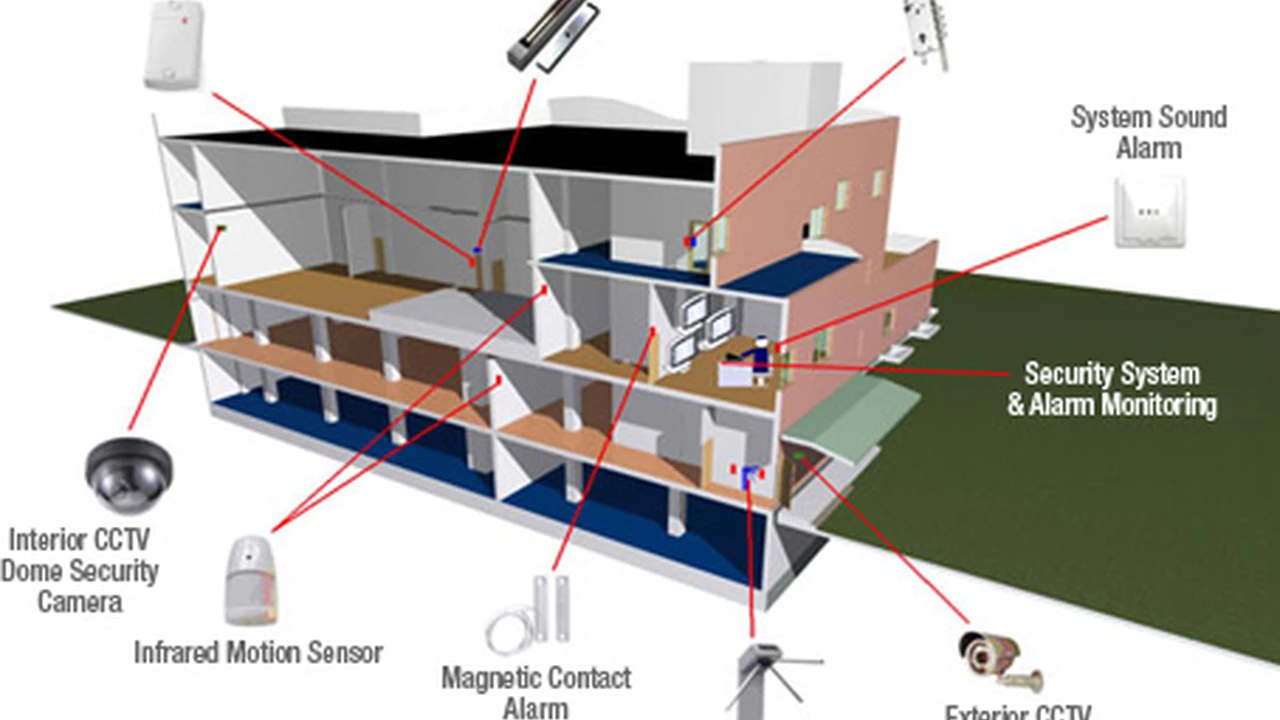
Traditional security setups often have different systems operating in silos. Your CCTV might be one thing, your access control another, and your fire alarms a third. When something happens, these systems don't always share information quickly or efficiently. An integrated solution, however, brings everything under one umbrella. This means if a fire alarm goes off, the access control system can automatically unlock emergency exits, and the surveillance cameras can immediately focus on the affected area. It’s about creating a holistic security posture that’s proactive, responsive, and ultimately, more effective.
For educational institutions, the stakes are incredibly high. We're talking about protecting young minds, fostering an environment conducive to learning, and ensuring parents feel confident sending their children to school. An integrated system helps achieve this by providing a comprehensive overview of the campus, allowing security personnel to monitor multiple threats simultaneously and respond with precision. It’s not just about physical security; it’s also about creating a culture of safety and preparedness.
Key Components of an Effective Integrated Security System for Education
So, what exactly goes into one of these super-smart security systems? It's a mix of different technologies, all working together. Let's break down the core components you'd typically find in an integrated security solution for schools and universities:
Access Control Systems for Campus Security and Student Safety
This is probably one of the most fundamental parts. Access control isn't just about keeping unauthorized people out; it's also about managing who goes where, and when. For a school, this could mean students using ID cards to enter buildings, staff having specific access to certain areas, and visitors needing to check in. Modern systems go beyond simple key cards. We're talking about:
- Smart Card Readers: These can be programmed for different access levels and can even track entry and exit times.
- Biometric Scanners: Fingerprint or facial recognition adds an extra layer of security, ensuring only authorized individuals gain entry.
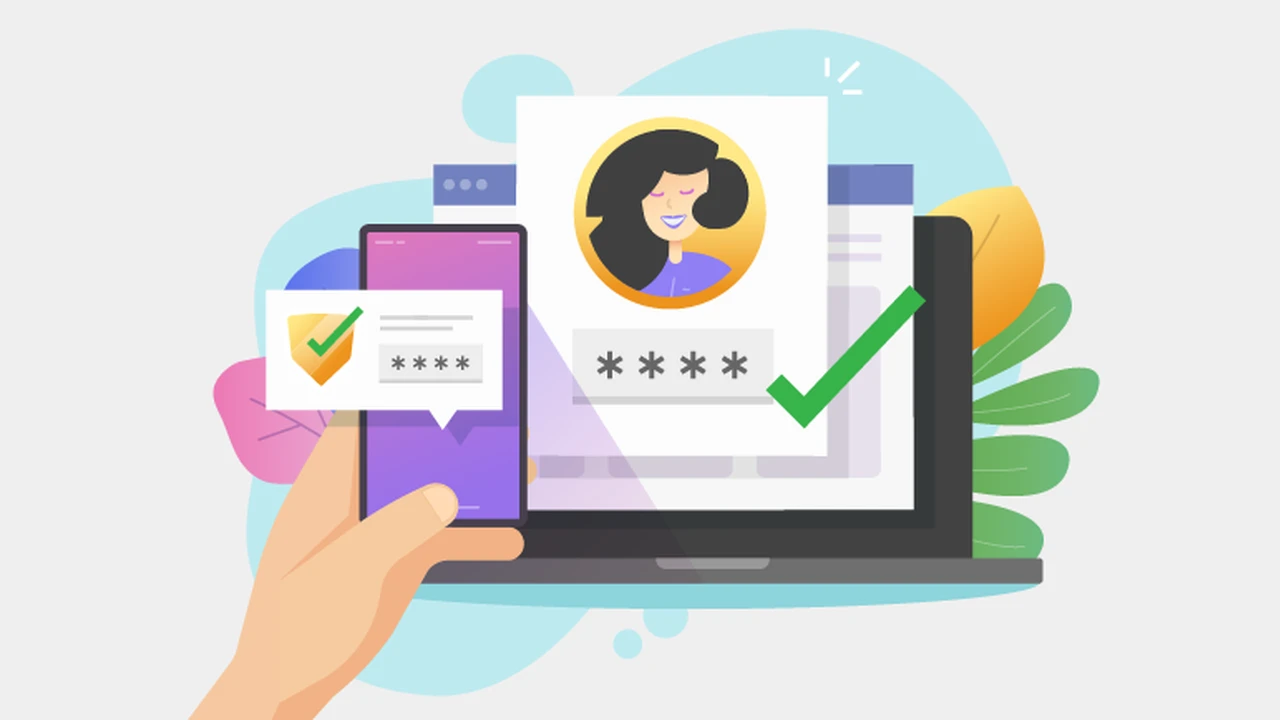
- Mobile Credentials: Students and staff can use their smartphones as their access key, which is super convenient and often more secure than physical cards.
- Visitor Management Systems: These integrate with access control to streamline visitor check-ins, print temporary badges, and ensure all visitors are accounted for.
Imagine a university where only students enrolled in a specific lab course can access that lab after hours, or a high school where all exterior doors automatically lock at a certain time, with exceptions for authorized personnel. This level of granular control is invaluable.
Video Surveillance CCTV for School Campus Monitoring and Incident Response
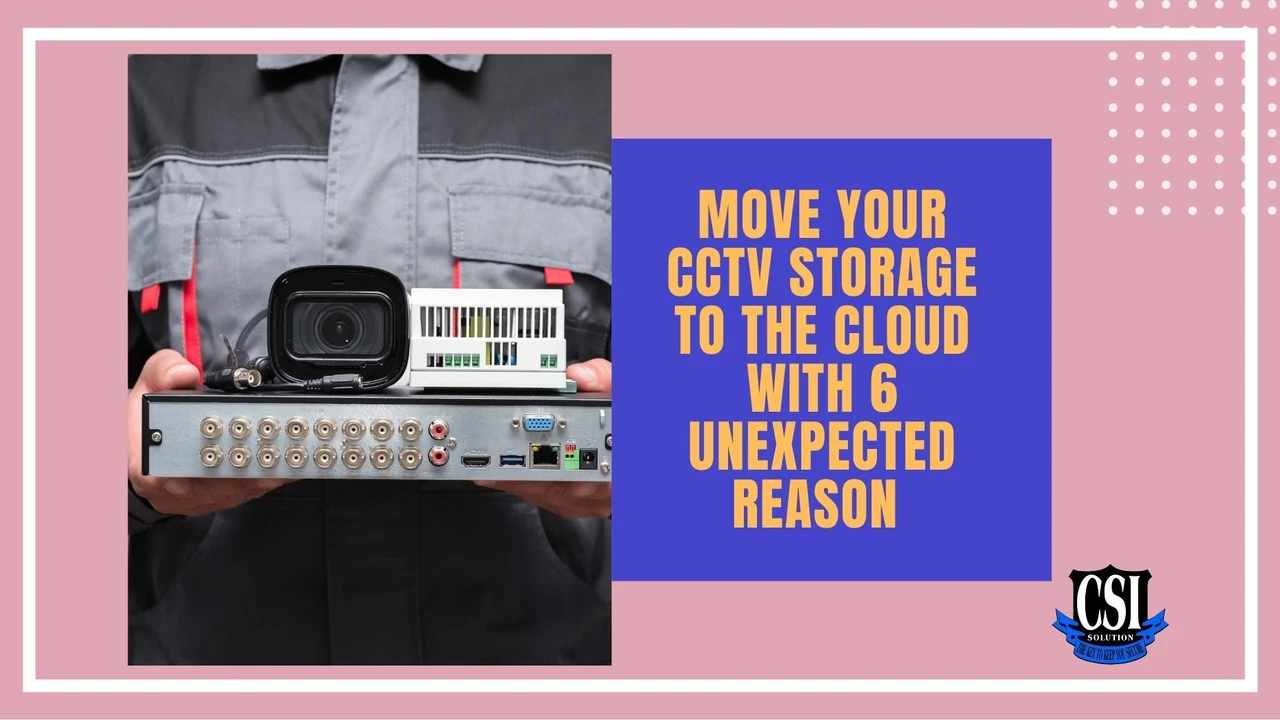
Cameras are the eyes of your security system. But in an integrated setup, they're much more than just recording devices. They're intelligent sensors that can trigger alerts, track movement, and provide crucial evidence. Here's what to look for:
- High-Resolution IP Cameras: These offer crystal-clear images, even in low light, making it easier to identify individuals and events.
- Analytics-Enabled Cameras: These aren't just recording; they're analyzing. They can detect unusual activity, identify unattended packages, or even count people in a given area.
- Centralized Monitoring: All camera feeds are accessible from a central security hub, allowing operators to quickly switch between views and respond to incidents.
- Cloud Storage: Securely store footage off-site, ensuring it's protected even if on-site equipment is compromised.
For example, if an alarm is triggered in a specific classroom, the integrated system can automatically pull up the live feed from cameras in and around that classroom, giving security staff immediate visual confirmation of the situation.
Intrusion Detection and Alarm Systems for School Safety and Emergency Alerts
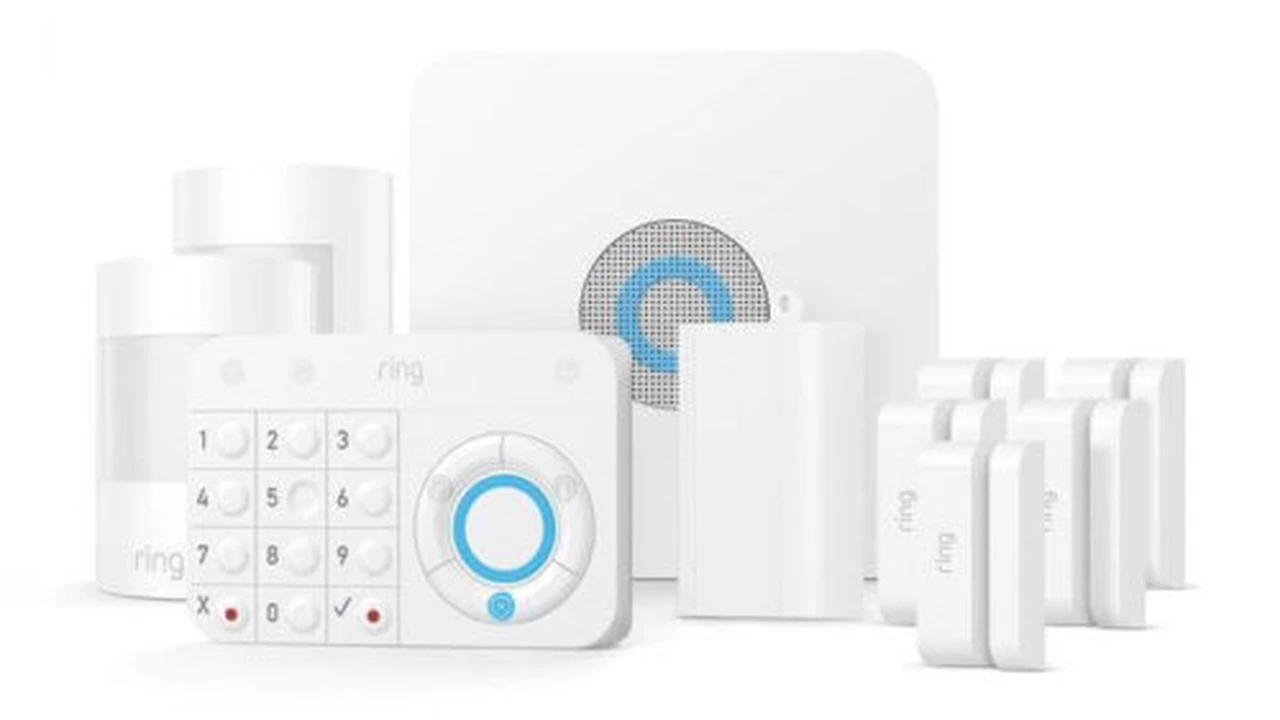
These are your first line of defense against unauthorized entry. But in an integrated system, they do more than just make noise:
- Door and Window Sensors: Detect when an entry point is opened or forced.
- Motion Detectors: Identify movement in restricted areas.
- Glass Break Sensors: Alert if a window is shattered.
- Panic Buttons: Strategically placed buttons allow staff to instantly trigger an alarm and alert authorities in an emergency.
- Integration with Emergency Services: In a truly integrated system, an alarm can automatically notify local law enforcement or emergency responders, providing them with critical information even before they arrive.
Imagine a scenario where a panic button is pressed in a school office. The integrated system not only sounds an alarm but also locks down specific doors, sends alerts to staff, and provides live camera feeds to first responders. That's powerful.
Emergency Communication Systems for Campus-Wide Alerts and Crisis Management
In a crisis, clear and immediate communication is paramount. Integrated systems can leverage various communication channels:
- Mass Notification Systems: Send out alerts via text, email, public address systems, and even digital signage across the campus.
- Two-Way Intercoms: Allow for direct communication between security personnel and individuals in specific areas.
- Integration with Public Address Systems: Use existing PA systems for emergency announcements.
This ensures that everyone on campus receives timely information and instructions during an emergency, whether it's a fire, a lockdown, or a severe weather warning.
Recommended Integrated Security Products and Solutions for Education
Alright, let's get down to some specifics. When you're looking for integrated security solutions for an educational institution, you'll find a few big players and some innovative newcomers. Here are some top recommendations, keeping in mind different scales and budgets:
Genetec Security Center for Comprehensive Campus Security Management
Genetec is a powerhouse in the integrated security world, and their Security Center platform is a fantastic option for larger universities or school districts. It's not just a product; it's a unified security platform that brings together video surveillance (Omnicast), access control (Synergis), and license plate recognition (AutoVu) into one seamless interface. This means your security team can manage everything from a single workstation, making operations incredibly efficient.
- Key Features: Unified platform, advanced video analytics, robust access control, mobile access, cloud connectivity, and extensive third-party integrations.
- Use Case: Large university campuses with multiple buildings, complex access requirements, and a need for sophisticated video surveillance. It's also great for school districts managing security across several schools.
- Comparison: Compared to more basic systems, Genetec offers unparalleled scalability and customization. It's built for enterprise-level security, meaning it can handle thousands of cameras and access points.
- Estimated Pricing: This is a premium solution, so expect significant investment. Licensing is typically per device (camera, door reader) and can range from $5,000 to $50,000+ for software licenses alone, depending on the scale. Hardware costs (cameras, readers, servers) would be additional.
LenelS2 OnGuard for Robust Access Control and Video Integration
LenelS2 is another industry leader, particularly strong in access control, and their OnGuard platform is a solid choice for educational institutions that prioritize robust access management alongside video surveillance. OnGuard provides a powerful, scalable solution for managing who goes where, with advanced features like identity management and visitor management modules.
- Key Features: Enterprise-level access control, seamless video integration (with their own video solutions or third-party VMS), identity management, visitor management, and mobile access.
- Use Case: Universities or large schools needing stringent access control for labs, dorms, administrative offices, and general campus areas, with integrated video verification.
- Comparison: While Genetec offers a more 'unified' approach from the ground up, LenelS2 excels in deep access control functionalities and has a very strong ecosystem of integrations.
- Estimated Pricing: Similar to Genetec, OnGuard is an enterprise solution. Software licenses can range from $4,000 to $40,000+, plus hardware and installation costs.
Avigilon Unity for AI-Powered Video Security and Access Control
Avigilon, now part of Motorola Solutions, is renowned for its cutting-edge video analytics and high-resolution cameras. Their Avigilon Unity platform combines their powerful video management software (ACC) with their access control manager (ACM) and Avigilon Cloud Services. This means you get incredible video intelligence, like appearance search and unusual motion detection, integrated with your access control.
- Key Features: AI-powered video analytics, high-resolution cameras, appearance search, unusual motion detection, integrated access control, and cloud management.
- Use Case: Educational institutions looking for advanced video intelligence to quickly identify individuals, track movements, and detect suspicious activities across campus. Great for proactive security.
- Comparison: Avigilon's strength lies in its video analytics, which are arguably some of the best in the industry. If video intelligence is a top priority, Avigilon is a strong contender.
- Estimated Pricing: Avigilon's solutions are also on the higher end due to their advanced technology. Software licenses for ACC and ACM can start from $3,000 to $30,000+, with cameras and access control hardware being additional.
Honeywell Pro-Watch for Scalable and Flexible Security Management
Honeywell is a well-established name in security, and their Pro-Watch Integrated Security Suite offers a scalable solution that can grow with an institution's needs. It integrates access control, video surveillance, and intrusion detection, providing a comprehensive security management platform. It's known for its flexibility and ability to integrate with a wide range of third-party systems.
- Key Features: Scalable access control, video management, intrusion detection integration, visitor management, and a wide array of third-party integrations.
- Use Case: Educational institutions of varying sizes that need a flexible system that can be customized and expanded over time. Good for those with existing Honeywell infrastructure.
- Comparison: Honeywell offers a very robust and reliable system, often favored by institutions that value long-term support and a proven track record. It might not have the bleeding-edge AI of Avigilon, but it's incredibly solid.
- Estimated Pricing: Pro-Watch pricing can vary significantly based on modules and scale. Software licenses might range from $2,500 to $25,000+, plus hardware.
Dahua DSS Pro for Cost-Effective Integrated Security
If you're looking for a more budget-friendly option that still offers strong integration capabilities, Dahua's DSS Pro (Dahua Security Software Pro) is worth considering. Dahua is a major player in the surveillance camera market, and DSS Pro brings together their video surveillance, access control, and alarm systems into a single platform. It's particularly strong if you're already using Dahua cameras.
- Key Features: Unified video surveillance, access control, and alarm management, user-friendly interface, mobile client, and good value for money.
- Use Case: Smaller to medium-sized schools or colleges that need an integrated solution without the enterprise-level price tag. Ideal if you're building a new system and want to stick with one vendor for hardware.
- Comparison: While it might not have the same depth of features or third-party integration ecosystem as Genetec or LenelS2, DSS Pro offers a very capable and cost-effective integrated solution, especially for video-centric deployments.
- Estimated Pricing: DSS Pro is generally more affordable. Software licenses can start from a few hundred dollars for smaller systems up to $5,000 - $15,000 for larger deployments, making it a strong contender for value.
Implementing Integrated Security Solutions Best Practices and Considerations
Okay, so you've got an idea of what's out there. Now, how do you actually put one of these systems into place effectively? It's not just about buying the tech; it's about planning, implementation, and ongoing management. Here are some best practices and key considerations:
Conducting a Thorough Security Assessment for Educational Facilities
Before you even think about buying anything, you need to know what you're protecting and what your current vulnerabilities are. This means a comprehensive security assessment. Walk through your campus, identify choke points, review existing security measures, and talk to staff, students, and even local law enforcement. What are the biggest threats? Where are the weak spots? This assessment will inform every decision you make about your integrated system.
Phased Implementation for Minimal Disruption in Schools
You don't have to rip everything out and start fresh all at once. A phased approach is often best, especially for active educational environments. Start with the most critical areas or systems, get them integrated, and then gradually expand. This minimizes disruption, allows staff to adapt, and helps you learn and refine as you go. For example, you might start by integrating access control for all exterior doors, then move to interior doors, and then integrate video surveillance.
Training and Support for School Security Personnel and Staff
Even the most advanced system is useless if people don't know how to use it. Comprehensive training for security personnel is non-negotiable. They need to understand every feature, how to respond to alerts, and how to troubleshoot basic issues. But don't stop there! Provide basic training for all staff on emergency procedures, how to use panic buttons, and what to do if they spot something suspicious. Ongoing support and regular refresher training are also crucial.
Scalability and Future-Proofing Your Educational Security System
Technology moves fast, and your institution will likely grow and change. Choose a system that's scalable, meaning it can easily expand to accommodate new buildings, more users, or additional security components. Look for open architecture systems that can integrate with a wide range of third-party devices and software. This future-proofs your investment and prevents you from being locked into a proprietary system that can't adapt.
Data Privacy and Compliance for Student and Staff Information
With all this data being collected – video footage, access logs, personal information – privacy is a huge concern, especially in educational settings. Ensure your integrated security solution complies with all relevant data protection regulations (like GDPR, FERPA in the US, or local privacy laws in Southeast Asia). Have clear policies on data retention, access, and usage. Transparency with your community about how security data is used is also key to building trust.
Budgeting and Total Cost of Ownership for Integrated Security
Integrated security solutions are an investment. Beyond the initial purchase price of hardware and software, consider the total cost of ownership. This includes installation, ongoing maintenance, software updates, licensing fees, and staff training. Get detailed quotes from multiple vendors and understand what's included. Sometimes, a slightly higher upfront cost can lead to lower long-term expenses due to better reliability and support.
The Benefits of a Unified Security Approach for Learning Environments
So, why go through all this effort? What's the big payoff for integrating all these security systems? Well, the benefits are pretty significant, and they go beyond just preventing incidents.
Enhanced Situational Awareness and Faster Response Times
This is probably the biggest advantage. When all your systems are talking to each other, your security team has a complete picture of what's happening, where it's happening, and who's involved. An alarm isn't just an alarm; it's an alarm linked to a specific door, with live video feed from nearby cameras, and a map showing the fastest route for responders. This dramatically improves situational awareness and slashes response times, which can be critical in an emergency.
Improved Operational Efficiency and Resource Optimization
Managing disparate systems is a headache. It requires more staff, more training, and more time. An integrated system streamlines operations. A single interface means fewer screens to monitor, fewer systems to learn, and more efficient use of security personnel. Automation, like doors locking automatically during an alarm, reduces manual tasks and human error, freeing up staff to focus on more critical tasks.
Proactive Threat Detection and Prevention Capabilities
Modern integrated systems, especially those with AI and analytics, can move beyond just reacting to threats. They can proactively identify unusual patterns, detect suspicious behavior, and alert security before an incident escalates. For example, an AI-powered camera might flag someone loitering in a restricted area for an extended period, allowing security to intervene before any harm is done.
Cost Savings Through Centralization and Automation
While the initial investment can be substantial, integrated systems often lead to long-term cost savings. Centralized management reduces the need for multiple software licenses and maintenance contracts. Automation reduces labor costs. And, most importantly, preventing incidents can save immense costs associated with property damage, legal liabilities, and reputational harm.
Creating a Safer and More Secure Learning Environment
Ultimately, it all comes down to this: creating a safe and secure environment where students can learn, grow, and thrive without fear. An integrated security solution provides that peace of mind for students, staff, and parents. It demonstrates a commitment to safety and helps foster a positive and productive educational atmosphere. It's about building a foundation of security that supports the core mission of education.
So, if you're involved in securing an educational institution, thinking about an integrated security solution isn't just a good idea – it's becoming an essential one. It's about leveraging technology to create smarter, safer spaces for everyone.
:max_bytes(150000):strip_icc()/277019-baked-pork-chops-with-cream-of-mushroom-soup-DDMFS-beauty-4x3-BG-7505-5762b731cf30447d9cbbbbbf387beafa.jpg)