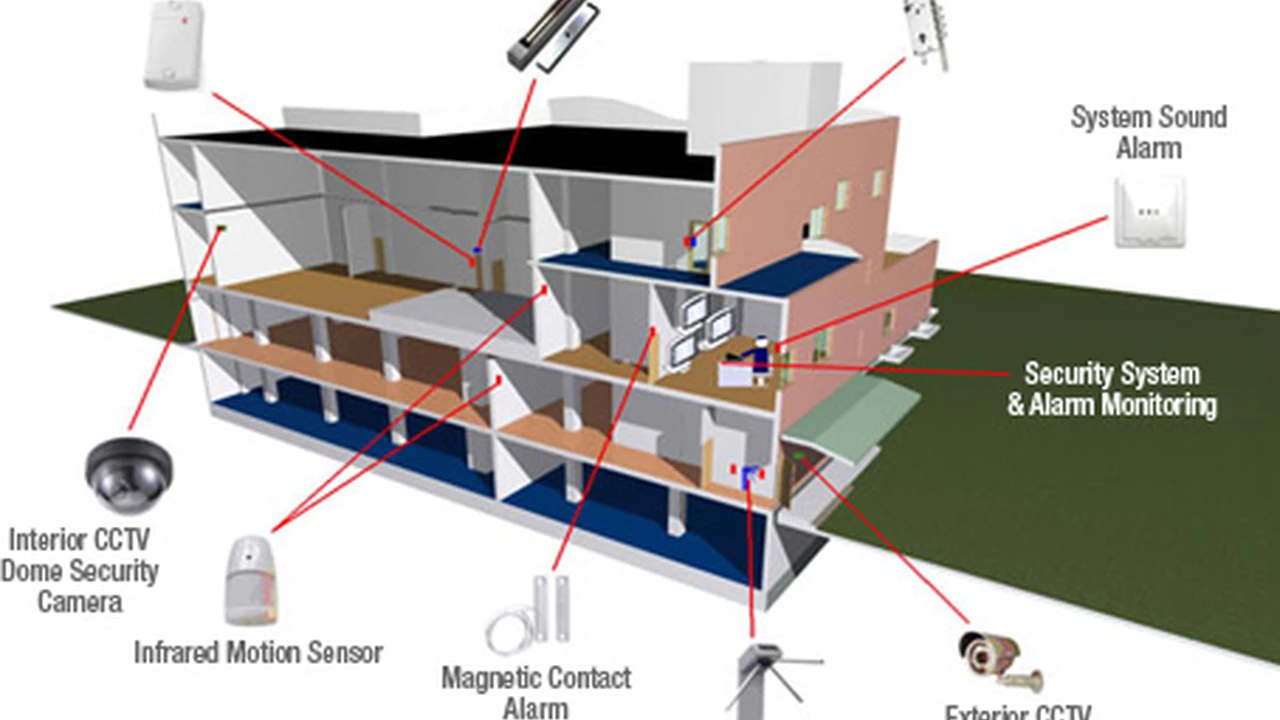
An in-depth look at emerging trends and future innovations in integrated security platforms and what to expect. The world of security is constantly evolving, and integrated security platforms are at the forefront of this transformation. Gone are the days of disparate systems operating in silos; today's security landscape demands a unified, intelligent approach. This article will delve into the exciting future of integrated security platforms, exploring the key trends, innovations, and what businesses and homeowners can anticipate in the coming years.
The Future of Integrated Security Platforms
The Rise of AI and Machine Learning in Integrated Security
Artificial intelligence (AI) and machine learning (ML) are no longer buzzwords; they are becoming fundamental pillars of integrated security platforms. These technologies are revolutionizing how we detect threats, analyze data, and respond to incidents. Imagine a security system that can not only identify an intruder but also predict their likely movements based on historical data and environmental factors. This is the power of AI and ML.
Predictive Analytics and Threat Intelligence
One of the most significant advancements is in predictive analytics. AI-powered platforms can analyze vast amounts of data from various sources – CCTV footage, access control logs, alarm events, and even external threat intelligence feeds – to identify patterns and anomalies that might indicate an impending security breach. For instance, a system might flag unusual access attempts combined with a sudden increase in network activity as a potential cyber-physical attack. This proactive approach allows security teams to intervene before an incident escalates.
Enhanced Video Analytics and Facial Recognition
AI is dramatically improving video analytics. Beyond simple motion detection, modern integrated platforms can perform complex tasks like object recognition, behavioral analysis, and even sentiment analysis. Facial recognition, while raising privacy concerns, is becoming increasingly sophisticated for authorized personnel identification and watchlist management. For example, a system could identify a known shoplifter entering a retail store and alert security personnel immediately. Products like
Genetec Security Center's video analytics modules offer advanced capabilities in this area, including people counting, queue management, and intrusion detection. Another notable product is
Hanwha Vision's AI-powered cameras, which integrate deep learning for accurate object classification and reduced false alarms.
Automated Incident Response and Workflow Automation
AI and ML are also driving automation in incident response. When a threat is detected, the integrated platform can automatically trigger a series of actions: locking doors, activating alarms, sending alerts to security personnel, and even initiating communication with emergency services. This reduces response times and minimizes human error. Consider a scenario where a fire alarm is triggered; the system could automatically unlock emergency exits, shut down HVAC systems, and display evacuation routes on digital signage.
LenelS2 OnGuard is a prime example of a platform that offers extensive workflow automation capabilities, allowing for customized responses to various security events.
The Convergence of Physical and Cybersecurity
The distinction between physical and cybersecurity is rapidly blurring. In an increasingly interconnected world, a breach in one domain can easily impact the other. Future integrated security platforms will offer a truly holistic approach, unifying these two critical aspects of security.
Unified Security Operations Centers (SOCs)
We'll see more unified Security Operations Centers (SOCs) where physical and cybersecurity teams collaborate seamlessly. Integrated platforms will provide a single pane of glass for monitoring both physical access events and network intrusions. This allows for a more comprehensive understanding of threats and a coordinated response. For instance, a sudden surge in network traffic from an unknown IP address might be correlated with an unauthorized access attempt at a data center, indicating a sophisticated attack.
Identity and Access Management (IAM) Integration
Identity and Access Management (IAM) will become even more central to integrated security. This means a single identity for an individual will govern their access to both physical spaces and digital resources. Biometric authentication, such as fingerprint or iris scans, will be used not only to open doors but also to log into computer systems. Products like
HID Global's IAM solutions are already paving the way for this convergence, offering secure access across various environments.
Threat Intelligence Sharing and Correlation
Future platforms will excel at sharing and correlating threat intelligence across physical and digital domains. If a specific type of malware is detected on the network, the system might automatically increase surveillance in areas where employees who accessed that malware typically work. This proactive threat hunting across both realms will significantly enhance overall security posture.
Cloud-Based and Hybrid Security Solutions
The shift to cloud-based and hybrid security solutions will continue to accelerate, offering greater flexibility, scalability, and cost-effectiveness.
Scalability and Flexibility with Cloud Deployment
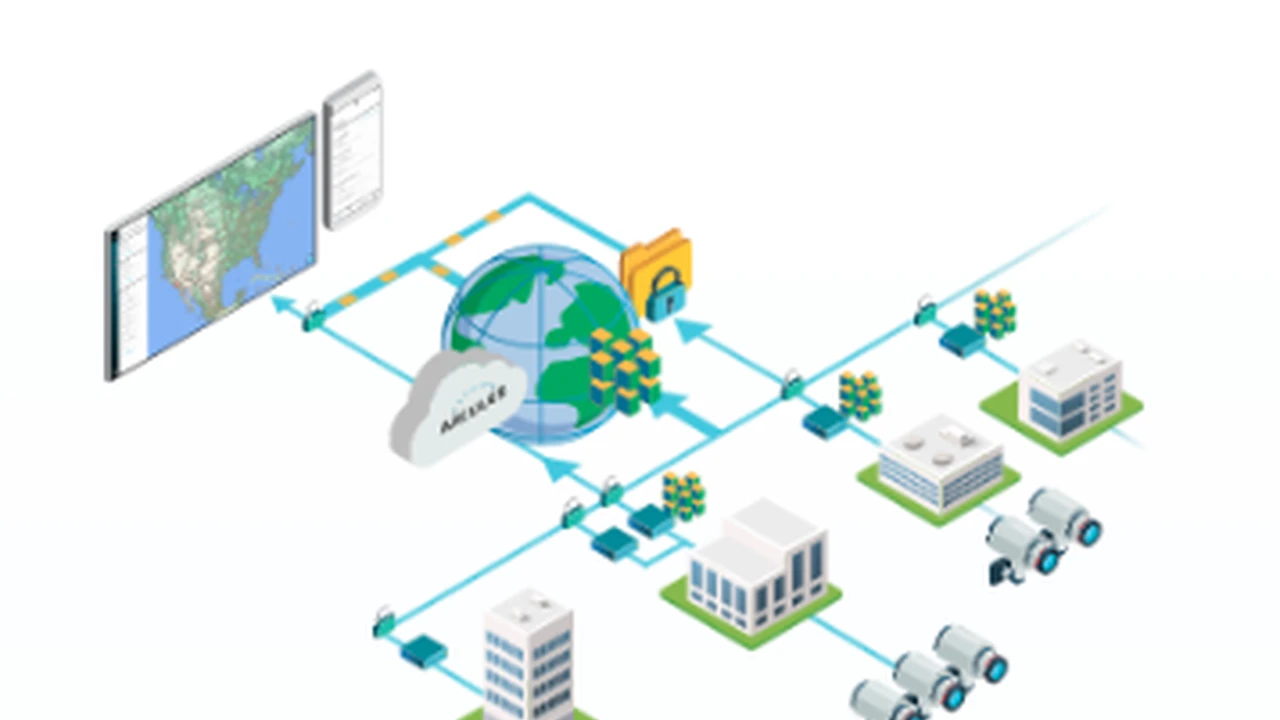
Cloud-based integrated security platforms eliminate the need for extensive on-premise hardware and infrastructure, making them highly scalable. Businesses can easily expand or contract their security footprint as needed, without significant capital expenditure. This is particularly beneficial for organizations with multiple locations or those experiencing rapid growth.
Brivo Access Control is a leading cloud-based access control solution that exemplifies this flexibility, allowing users to manage access from anywhere with an internet connection.
Enhanced Data Storage and Analytics in the Cloud
The cloud provides immense storage capacity for security data, enabling more sophisticated analytics and long-term trend analysis. This data can be used to identify recurring security vulnerabilities, optimize security protocols, and improve overall operational efficiency. Cloud platforms also offer robust disaster recovery capabilities, ensuring that critical security data is always protected.
Hybrid Models for Optimal Performance and Security
While cloud adoption is growing, hybrid models – combining on-premise components with cloud services – will remain prevalent. This allows organizations to keep sensitive data on-site while leveraging the scalability and advanced analytics of the cloud for other functions. For example, video recording might be stored locally for immediate access, with backups and advanced analytics performed in the cloud.
The Internet of Things (IoT) and Edge Computing in Security
The proliferation of IoT devices and the rise of edge computing are fundamentally changing how integrated security platforms operate.
Smart Sensors and Connected Devices
The IoT brings a vast array of smart sensors and connected devices into the security ecosystem. Beyond traditional cameras and access readers, we'll see more environmental sensors (temperature, humidity, air quality), smart locks, smart lighting, and even drones integrated into security platforms. These devices provide a richer, more granular view of the environment, enabling more intelligent and proactive security measures. Imagine a smart lock that can detect unusual vibrations and alert the system, or a drone that can autonomously patrol a perimeter and identify anomalies.
Edge Computing for Faster Processing and Reduced Latency
Edge computing – processing data closer to the source – is crucial for IoT-driven security. Instead of sending all data to the cloud for analysis, edge devices can perform initial processing and filtering, reducing latency and bandwidth requirements. This is particularly important for real-time applications like video analytics and immediate threat detection. For example, an AI-powered camera at the edge can identify a potential threat and send only relevant alerts to the central platform, rather than streaming all raw footage.
Axis Communications' edge analytics solutions are a great example of this, allowing for intelligent processing directly on the camera.
Enhanced Automation and Interoperability
IoT and edge computing facilitate greater automation and interoperability between different security components. Devices from various manufacturers can communicate and collaborate seamlessly, creating a truly integrated and responsive security environment. This allows for more complex and intelligent security scenarios, such as a smart lighting system automatically illuminating an area when an intruder is detected by a motion sensor.
User Experience and Mobile Integration
Future integrated security platforms will prioritize intuitive user experiences and seamless mobile integration, making security management more accessible and efficient.
Intuitive User Interfaces and Dashboards
Security platforms will feature highly intuitive user interfaces and customizable dashboards, providing security personnel with a clear and concise overview of their entire security posture. These dashboards will offer real-time data, actionable insights, and easy access to critical functions. The goal is to reduce complexity and improve operational efficiency.
Mobile-First Security Management
Mobile devices will become the primary interface for managing many aspects of integrated security. Security managers will be able to monitor live feeds, arm/disarm systems, grant/revoke access, and receive alerts directly on their smartphones or tablets. This offers unprecedented flexibility and responsiveness, allowing security teams to manage incidents on the go. Many modern platforms, such as
Alarm.com, offer robust mobile apps for comprehensive security management.
Personalized Security Experiences
Integrated platforms will offer more personalized security experiences. For example, employees might use their smartphones as virtual access cards, and their access privileges could be dynamically adjusted based on their role, time of day, or even their location within the facility. This level of personalization enhances both security and convenience.
Cybersecurity Resilience and Data Privacy
As integrated security platforms become more sophisticated and interconnected, cybersecurity resilience and data privacy will be paramount concerns.
Robust Encryption and Secure Communication
All data transmitted and stored within integrated security platforms will be protected by robust encryption protocols. Secure communication channels will be essential to prevent eavesdropping and data tampering. This includes end-to-end encryption for video streams, access control data, and alarm signals.
Compliance with Data Privacy Regulations
Integrated security platforms will need to comply with increasingly stringent data privacy regulations, such as GDPR and CCPA. This means implementing features for data anonymization, consent management, and data access controls. Vendors will need to demonstrate a strong commitment to privacy by design. For example,
Bosch Security Systems emphasizes data protection and cybersecurity in their product development.
Proactive Threat Detection and Vulnerability Management
Future platforms will incorporate advanced cybersecurity features, including intrusion detection systems (IDS), intrusion prevention systems (IPS), and regular vulnerability scanning. This proactive approach will help identify and mitigate cyber threats before they can compromise the physical security infrastructure.
Specific Product Recommendations and Use Cases
Let's dive into some specific integrated security platforms and their ideal use cases, along with approximate pricing information. Keep in mind that pricing can vary significantly based on the scale of deployment, specific features, and regional factors.
Genetec Security Center: The Enterprise Powerhouse
* **Description:** Genetec Security Center is a unified security platform that seamlessly blends IP video surveillance (VMS), access control, automatic license plate recognition (ALPR), and communication management. It's renowned for its scalability, open architecture, and advanced analytics capabilities.
* **Use Cases:** Large enterprises, critical infrastructure (airports, utilities), smart cities, and complex multi-site deployments. Its ability to integrate with a vast array of third-party hardware makes it highly adaptable.
* **Key Features:** Advanced video analytics (object detection, behavioral analysis), robust access control with mobile credentials, unified reporting, cybersecurity hardening, and cloud connectivity options.
* **Approximate Pricing:** Genetec operates on a licensing model, with costs varying widely based on the number of cameras, doors, and modules. A small-to-medium deployment might start from **$10,000 - $50,000** for software licenses, with hardware costs added on top. Large enterprise deployments can easily run into **hundreds of thousands or even millions of dollars**.
LenelS2 OnGuard: Robust and Reliable for Corporate Environments
* **Description:** LenelS2 OnGuard is a comprehensive security management system that integrates access control, video surveillance, alarm monitoring, and identity management. It's known for its reliability, strong access control features, and suitability for regulated industries.
* **Use Cases:** Corporate campuses, government facilities, healthcare institutions, and manufacturing plants where robust access control and compliance are critical.
* **Key Features:** Advanced access control with multi-factor authentication, visitor management, alarm monitoring and response, integration with HR systems, and a strong focus on cybersecurity.
* **Approximate Pricing:** Similar to Genetec, LenelS2 OnGuard uses a licensing model. A mid-sized corporate office might expect software costs ranging from **$8,000 - $40,000**, plus hardware. Larger, more complex installations will be significantly higher, potentially reaching **hundreds of thousands of dollars**.
Brivo Access Control: Cloud-Native for Modern Businesses
* **Description:** Brivo offers a cloud-based access control and video surveillance platform. Its strength lies in its ease of deployment, scalability, and mobile-first approach, making it ideal for businesses looking for a modern, flexible solution.
* **Use Cases:** Small to medium-sized businesses (SMBs), co-working spaces, retail chains, and organizations with distributed locations that benefit from centralized cloud management.
* **Key Features:** Cloud-based access control, mobile credentials, integrated video surveillance, visitor management, open API for integrations, and real-time alerts.
* **Approximate Pricing:** Brivo typically uses a subscription model, often priced per door or per user per month. For a small business with 5-10 doors, monthly costs could range from **$50 - $200**, plus initial hardware costs (readers, controllers) which might be **$500 - $1500 per door**. For larger deployments, custom quotes are provided, but the subscription model generally offers a lower upfront cost compared to traditional on-premise systems.
Honeywell Pro-Watch: Comprehensive for Diverse Needs
* **Description:** Honeywell Pro-Watch is an integrated security suite that combines access control, video management, and intrusion detection into a single platform. It's designed for scalability and offers a wide range of features to meet diverse security requirements.
* **Use Cases:** Commercial buildings, educational institutions, industrial facilities, and government sites that require a comprehensive and customizable security solution from a well-established vendor.
* **Key Features:** Advanced access control, digital video management, alarm monitoring, visitor management, and integration with other Honeywell building management systems.
* **Approximate Pricing:** Honeywell Pro-Watch pricing is project-specific, depending on the modules and scale. A medium-sized installation could see software licenses starting from **$7,000 - $35,000**, with hardware and installation adding significantly to the total. Enterprise-level deployments will be in the **six-figure range**.
Milestone Systems XProtect: Video-Centric Integration
* **Description:** While primarily a Video Management Software (VMS), Milestone XProtect is an open platform that integrates seamlessly with a vast ecosystem of access control, analytics, and other security systems. It's known for its powerful video capabilities and flexibility.
* **Use Cases:** Any organization where video surveillance is a primary concern, but also requires integration with other security components. This includes retail, transportation, education, and critical infrastructure.
* **Key Features:** Scalable VMS, advanced video analytics, support for thousands of camera models, open platform for third-party integrations, and robust cybersecurity features.
* **Approximate Pricing:** Milestone XProtect offers various editions, from free (Express) to enterprise-grade (Corporate). A mid-range system for 50-100 cameras might cost **$5,000 - $20,000** for software licenses, with camera hardware being a separate significant cost. Enterprise versions can easily exceed **$50,000** for software alone.
The Human Element: Training and Adoption
Even the most advanced integrated security platform is only as effective as the people operating it. Future trends will also focus on enhancing the human element through better training, intuitive interfaces, and augmented reality (AR) tools.
Simplified Training and Onboarding
As systems become more complex, the need for simplified training and onboarding processes becomes critical. Vendors will focus on creating user-friendly interfaces and comprehensive training modules that empower security personnel to quickly master new technologies.
Augmented Reality for Enhanced Situational Awareness
Imagine a security guard wearing AR glasses that overlay real-time information onto their field of view – identifying individuals, highlighting potential threats, or displaying access control data. AR has the potential to significantly enhance situational awareness and decision-making in complex security environments.
Collaboration Tools and Communication Platforms
Integrated security platforms will increasingly incorporate advanced collaboration tools and communication platforms, allowing security teams to share information, coordinate responses, and communicate effectively during incidents. This fosters a more cohesive and efficient security operation.
Sustainability and Energy Efficiency
As environmental concerns grow, future integrated security platforms will also prioritize sustainability and energy efficiency.
Energy-Efficient Hardware and Software
Manufacturers will focus on developing more energy-efficient cameras, sensors, and servers. Software will be optimized to reduce computational overhead, thereby lowering energy consumption. This not only benefits the environment but also reduces operational costs for businesses.
Remote Monitoring and Reduced Travel
The ability to remotely monitor and manage security systems reduces the need for physical patrols and travel, contributing to a smaller carbon footprint. Cloud-based solutions, in particular, facilitate this remote management capability.
Lifecycle Management and Recycling Programs
Vendors will increasingly offer comprehensive lifecycle management programs, including responsible recycling of old equipment. This ensures that security technology is disposed of in an environmentally friendly manner, minimizing waste.
The Road Ahead for Integrated Security
The future of integrated security platforms is bright, characterized by intelligence, convergence, flexibility, and user-centric design. As AI, IoT, and cloud technologies continue to mature, we can expect security systems to become even more proactive, predictive, and seamlessly integrated into our daily lives. For businesses and homeowners alike, this means a future where security is not just about reacting to threats, but about intelligently anticipating and preventing them, creating safer and more secure environments for everyone.
:max_bytes(150000):strip_icc()/277019-baked-pork-chops-with-cream-of-mushroom-soup-DDMFS-beauty-4x3-BG-7505-5762b731cf30447d9cbbbbbf387beafa.jpg)