Comparing CCTV Systems Hikvision vs Dahua
A detailed comparison of Hikvision and Dahua CCTV systems two leading brands in surveillance technology.
A detailed comparison of Hikvision and Dahua CCTV systems two leading brands in surveillance technology.
Comparing CCTV Systems Hikvision vs Dahua
When it comes to securing your home or business, choosing the right CCTV system is paramount. Two names consistently rise to the top of the surveillance technology industry: Hikvision and Dahua. Both are Chinese manufacturers that have dominated the global market, offering a vast array of cameras, recorders, and software solutions. But which one is right for you? This in-depth comparison will break down their offerings, technologies, pricing, and use cases to help you make an informed decision.
Hikvision vs Dahua A Brand Overview and Market Presence
Let's start with a quick look at who these giants are. Hikvision Digital Technology Co., Ltd. was founded in 2001 and has grown to become the world's largest supplier of video surveillance products. They are known for their extensive R&D, innovative technologies, and a comprehensive product portfolio that caters to almost every surveillance need, from small residential setups to large-scale enterprise solutions. Their market presence is truly global, with a strong foothold in North America, Europe, and Asia.
Dahua Technology Co., Ltd., established in 2001 as well, is another global leader in video surveillance. While often seen as Hikvision's closest competitor, Dahua has carved out its own niche with a focus on advanced AI capabilities, robust network solutions, and a strong emphasis on cybersecurity. They also boast a significant global presence, offering a wide range of products and solutions for various applications.
Both companies have faced scrutiny regarding security concerns and government ties, particularly in the US market. It's important for consumers to be aware of these discussions and consider their implications, especially for sensitive installations. However, from a purely technical and product offering standpoint, both remain at the forefront of innovation.
Key Technologies and Features Hikvision vs Dahua Innovation
Both Hikvision and Dahua are pioneers in surveillance technology, constantly pushing the boundaries of what's possible. Here's a look at some of their key technological strengths:
Image Quality and Resolution CCTV Camera Performance
When it comes to image quality, both brands offer cameras ranging from 2MP (1080p) to 4K (8MP) and even higher resolutions. They both excel in delivering crisp, clear images. However, there are subtle differences in their image processing algorithms. Hikvision often emphasizes its DarkFighter and ColorVu technologies for superior low-light performance, providing vivid color images even in near-total darkness. Dahua counters with its Starlight and Full-color technologies, which also deliver impressive low-light performance, often with a slightly different color rendition that some users prefer. For example, a Hikvision ColorVu camera like the Hikvision DS-2CD2347G2-LU (around $150-$200) offers 4MP resolution and 24/7 color imaging, making it ideal for areas where color identification is crucial at night. Dahua's equivalent, the Dahua IPC-HDW3449TM-AS-LED (around $160-$210), also provides 4MP full-color night vision with similar capabilities.
Video Analytics and AI Features Smart Surveillance
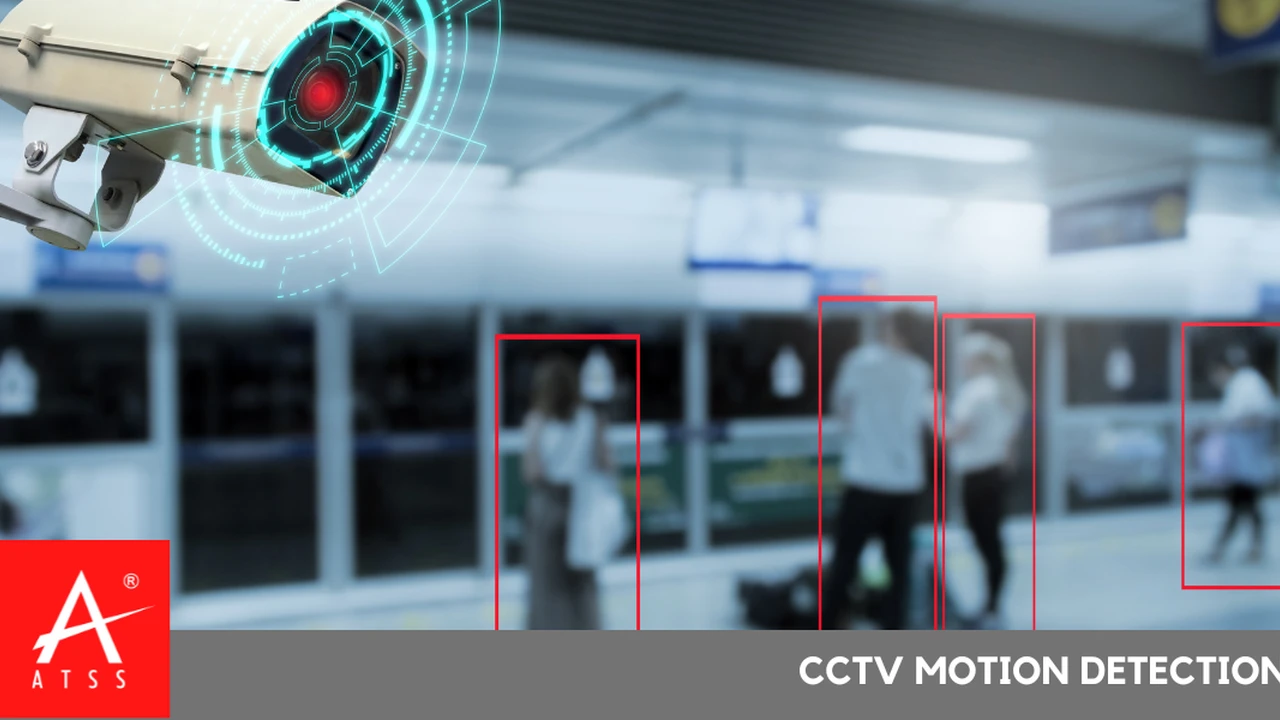
This is where both companies truly shine. Both Hikvision and Dahua have heavily invested in AI and deep learning for advanced video analytics. They offer features like:
- Human and Vehicle Detection: Significantly reduces false alarms caused by animals, rain, or swaying trees.
- Perimeter Protection: Intrusion detection and line crossing detection with high accuracy.
- Facial Recognition: For access control and identifying known individuals.
- License Plate Recognition (LPR/ANPR): Useful for parking management and vehicle access.
- Heat Mapping: For retail analytics to understand customer flow.
Dahua often gets a slight edge in the breadth and sophistication of its AI features, particularly with its WizSense and WizMind series. WizSense focuses on human and vehicle detection, while WizMind offers more advanced features like facial recognition, metadata search, and even PPE detection. Hikvision's AcuSense technology is also highly effective for accurate human and vehicle detection. For instance, a Dahua IPC-HDW3541TM-AS (around $200-$250) with WizSense offers 5MP resolution and advanced perimeter protection, making it a great choice for smart home or small business security. Hikvision's DS-2CD2T46G2-4I AcuSense (around $220-$280) provides similar 4MP capabilities with excellent false alarm reduction.
Compression Technologies Efficient Storage
Both brands utilize advanced video compression standards like H.265+ and H.264+ to minimize storage requirements and bandwidth usage without compromising video quality. Hikvision's H.265+ is highly efficient, often reducing bandwidth and storage by up to 70% compared to H.264. Dahua's Smart H.265+ offers comparable performance. This is a crucial factor for long-term recording and remote viewing, especially for systems with many cameras.
Network Video Recorders NVRs and Digital Video Recorders DVRs
Both companies offer a full range of NVRs (for IP cameras) and DVRs (for analog/HD-TVI/CVI cameras). Their recorders are generally robust, user-friendly, and support a wide range of camera resolutions and channels. Hikvision's NVRs often feature a more intuitive user interface, while Dahua's NVRs are praised for their stability and advanced network features. For a small business, a Hikvision DS-7608NI-I2/8P (8-channel, 4K, PoE NVR, around $300-$400) is a popular choice. A comparable Dahua option would be the Dahua NVR4108-8P-4KS2 (8-channel, 4K, PoE NVR, around $280-$380).
Product Range and Ecosystem CCTV Solutions
Both Hikvision and Dahua offer an incredibly diverse product range, making them suitable for almost any application. They both provide:
- IP Cameras: Dome, bullet, turret, PTZ (Pan-Tilt-Zoom), fisheye, multi-sensor cameras.
- Analog/HD Cameras: For upgrading existing coaxial cable systems.
- NVRs and DVRs: Various channel counts and storage capacities.
- Video Management Software (VMS): Hikvision iVMS-4200 and Dahua Smart PSS are powerful tools for managing large systems.
- Mobile Apps: Hik-Connect and DMSS for remote viewing and control.
- Access Control and Intercom Systems: Integrating security solutions.
Hikvision often has a slightly broader range of specialized cameras, such as thermal cameras and explosion-proof cameras, catering to niche industrial applications. Dahua, on the other hand, has made significant strides in developing integrated solutions that combine video surveillance with access control and alarm systems more seamlessly, often under their 'AIoT' (AI + IoT) umbrella.
Ease of Use and Installation DIY vs Professional Installation
For DIY enthusiasts, both brands offer user-friendly options, especially for their entry-level IP camera systems. Their mobile apps (Hik-Connect for Hikvision, DMSS for Dahua) are generally well-regarded for remote viewing and basic configuration. However, setting up advanced features like complex video analytics or integrating with third-party systems often requires a deeper understanding of networking and surveillance technology.
Hikvision's NVR interface is often cited as being slightly more intuitive for beginners, with a clear menu structure. Dahua's interface, while powerful, can sometimes feel a bit more technical. For professional installers, both systems offer robust tools and configurations. The availability of PoE (Power over Ethernet) on many IP cameras from both brands simplifies installation significantly, as a single Ethernet cable provides both power and data.
Pricing and Value for Money Cost-Effective Surveillance
Generally, both Hikvision and Dahua offer excellent value for money, especially when compared to Western brands with similar features. Their pricing is competitive, and you can find a wide range of products to fit various budgets.
In the entry-level and mid-range segments, their pricing is often very similar. For example, a basic 4MP IP bullet camera from either brand might cost between $80-$150. As you move into more advanced cameras with specialized features (e.g., high-end PTZ, thermal, or advanced AI), the prices naturally increase. A high-end 4K PTZ camera could easily run upwards of $1000-$2000 from either manufacturer.
When considering value, it's not just about the initial purchase price. Factor in:
- Storage Costs: Efficient compression reduces HDD costs.
- Bandwidth Usage: Important for remote viewing and cloud storage.
- Maintenance: Reliability of the equipment.
- Software Licensing: Both offer free basic VMS, but advanced features might require licenses.
Both brands offer robust and reliable hardware, meaning fewer maintenance issues in the long run. The choice often comes down to specific feature sets and personal preference rather than a significant price difference.
Specific Product Recommendations and Use Cases
Let's dive into some specific product recommendations for different scenarios:
Home Security Systems Best for Residential Use
For home users, simplicity and reliability are key. Both brands offer excellent options. A good starting point would be a 4-channel NVR kit with 2-4 IP cameras. For example:
- Hikvision AcuSense Home Kit: A Hikvision DS-7604NI-K1/4P NVR (around $200-$250) paired with Hikvision DS-2CD2046G2-I AcuSense Bullet Cameras (around $120-$180 each). This setup provides 4MP resolution, excellent human/vehicle detection to minimize false alarms, and easy remote access via Hik-Connect.
- Dahua WizSense Home Kit: A Dahua NVR2104HS-P-I NVR (around $180-$230) with Dahua IPC-HDW2439T-AS-LED Full-color Dome Cameras (around $100-$160 each). This offers 4MP resolution and Dahua's full-color night vision, ensuring clear images even in very low light, along with WizSense AI for accurate detection.
Both are great for monitoring entry points, backyards, and common areas. The AI features are particularly useful for getting relevant alerts on your phone.
Small Business Surveillance Retail and Office
Small businesses often need more robust features, potentially including facial recognition or LPR, but still need to be budget-conscious. An 8-channel NVR with 4-8 cameras is a common choice.
- Hikvision for Retail: Consider a Hikvision DS-7608NI-I2/8P NVR (around $300-$400) with a mix of Hikvision DS-2CD2347G2-LU ColorVu Turret Cameras (for indoor/outdoor areas needing color at night, around $150-$200) and perhaps a Hikvision DS-2CD2T87G2-L ColorVu Bullet Camera (for wider outdoor coverage, around $300-$400). This provides high-resolution, 24/7 color, and AcuSense for perimeter protection.
- Dahua for Office/Warehouse: A Dahua NVR4208-8P-4KS2 NVR (around $350-$450) combined with Dahua IPC-HDW3541TM-AS WizSense Dome Cameras (for general surveillance, around $200-$250) and a Dahua IPC-HFW5241E-ZE WizMind Bullet Camera (for specific areas needing advanced analytics like facial recognition, around $400-$550). This setup leverages Dahua's advanced AI for more specific detection and analytics.
For retail, heat mapping cameras (available from both) can also be integrated to analyze customer traffic patterns.
Enterprise and Large-Scale Deployments Industrial and Public Spaces
For large-scale projects, the choice often comes down to the specific integration requirements and the preferred VMS. Both offer enterprise-grade solutions.
- Hikvision for Large Campuses: Their iVMS-4200/iVMS-5200 Professional VMS is highly scalable. Cameras like the Hikvision DS-2DF8C442IXS-AELW (T5) PTZ Camera (4MP, 42x optical zoom, DarkFighter, around $2000-$3000) are excellent for wide-area surveillance. Their deep learning NVRs (e.g., DS-96000 series) can handle hundreds of cameras and advanced analytics.
- Dahua for Smart City Initiatives: Dahua's DSS (Dahua Security Software) platform offers comprehensive management. Cameras like the Dahua DH-SD6AL840V-HNI PTZ Camera (8MP, 40x optical zoom, Starlight, around $2500-$3500) provide extensive coverage. Their WizMind NVRs (e.g., DHI-NVR608-32-4KS2) are designed for high-performance AI processing and large storage.
Both brands also offer specialized cameras like thermal cameras for fire detection or perimeter security in challenging environments, and multi-sensor cameras for 360-degree views with fewer installations.
Cybersecurity and Privacy Concerns Data Protection
It's impossible to discuss Hikvision and Dahua without addressing the cybersecurity and privacy concerns that have been raised, particularly by the US government. Both companies have been placed on various blacklists due to alleged ties to the Chinese government and potential security vulnerabilities. This has led to restrictions on their use in government projects and some commercial sectors in certain regions.
Both Hikvision and Dahua have publicly stated their commitment to cybersecurity and have implemented measures like encryption, secure boot, and regular firmware updates to address vulnerabilities. They also offer cybersecurity whitepapers and best practices guides. However, for sensitive installations, especially those involving critical infrastructure or government data, users should carefully evaluate the risks and consider alternative brands if necessary.
For typical home and small business users, ensuring your devices are always updated with the latest firmware, using strong, unique passwords, and isolating your surveillance network (if possible) are crucial steps to enhance security regardless of the brand.
Software and Mobile Applications Remote Access and Management
Both Hikvision and Dahua provide robust software solutions for managing their systems:
- Hikvision:
- iVMS-4200 (PC/Mac): A comprehensive video management software for configuring, viewing, and managing Hikvision devices. It's powerful but can have a learning curve.
- Hik-Connect (Mobile App): User-friendly app for remote viewing, playback, receiving alerts, and basic device configuration. It's generally well-received for its ease of use.
- Dahua:
- Smart PSS (PC/Mac): Dahua's equivalent VMS, offering similar functionalities to iVMS-4200. It's also powerful but can be a bit more technical in its layout.
- DMSS (Mobile App): Dahua's mobile app for remote access, live view, playback, and push notifications. It's also highly functional and user-friendly.
Both apps offer similar core functionalities, and the choice often comes down to personal preference for the interface. Both support push notifications for motion detection or AI events, allowing you to stay informed on the go.
Support and Warranty Customer Service
Both Hikvision and Dahua offer standard warranties on their products, typically 2-3 years, depending on the region and product type. Support can vary depending on where you purchase the equipment. If you buy from an authorized distributor or installer, you'll likely receive better local support. Online purchases from third-party sellers might have more limited support options.
Both companies have extensive online resources, including manuals, firmware updates, and FAQs. For technical issues, their global support networks are generally responsive, though language barriers can sometimes be a factor depending on your location.
The Verdict Which CCTV System is Better
So, Hikvision or Dahua? The truth is, there's no single 'better' brand. Both are industry leaders offering cutting-edge technology, reliable products, and excellent value. Your choice will largely depend on your specific needs, preferences, and the particular features you prioritize.
- Choose Hikvision if:
- You prioritize superior low-light color imaging (ColorVu, DarkFighter).
- You prefer a slightly more intuitive NVR interface.
- You need a very broad range of specialized cameras for niche applications.
- You are already familiar with their iVMS software.
- Choose Dahua if:
- You want the absolute latest in advanced AI features (WizSense, WizMind) for highly accurate detection and analytics.
- You prefer their Starlight/Full-color low-light performance.
- You are looking for more integrated solutions that combine video with access control.
- You are comfortable with a slightly more technical VMS (Smart PSS).
For most home and small business users, either brand will provide an excellent surveillance solution. It often comes down to comparing specific camera models and NVR features that align with your budget and security goals. Always check the latest firmware versions and product reviews before making a final decision. And remember, regardless of the brand, proper installation and configuration are key to maximizing the effectiveness of any CCTV system.
:max_bytes(150000):strip_icc()/277019-baked-pork-chops-with-cream-of-mushroom-soup-DDMFS-beauty-4x3-BG-7505-5762b731cf30447d9cbbbbbf387beafa.jpg)