Integrated Security Solutions for Commercial Buildings
Discover comprehensive integrated security solutions tailored for commercial buildings offering multi-layered protection.
Discover comprehensive integrated security solutions tailored for commercial buildings offering multi-layered protection.
Integrated Security Solutions for Commercial Buildings
Why Integrated Security is a Game-Changer for Commercial Properties
Hey there, business owners and property managers! Let's talk about keeping your commercial building safe and sound. In today's world, a simple lock and key just won't cut it. You need something more robust, more intelligent, and frankly, more integrated. That's where integrated security solutions come into play. Think of it as bringing all your security elements – from cameras to access control, alarms, and even cybersecurity – under one smart umbrella. It’s not just about having a bunch of security gadgets; it’s about making them all talk to each other, work together seamlessly, and give you a complete, real-time picture of your building's safety. This approach isn't just about reacting to threats; it's about proactive protection, streamlined operations, and ultimately, peace of mind. For commercial buildings, whether it's an office complex, a retail space, or a warehouse, the benefits are huge. You're looking at reduced risks, improved response times, and a more efficient way to manage your entire security infrastructure. Plus, with everything connected, you can often save on operational costs and get better insights into your building's activity. It’s a smart move for any business looking to elevate its security posture.
Key Components of a Robust Integrated Security System for Businesses
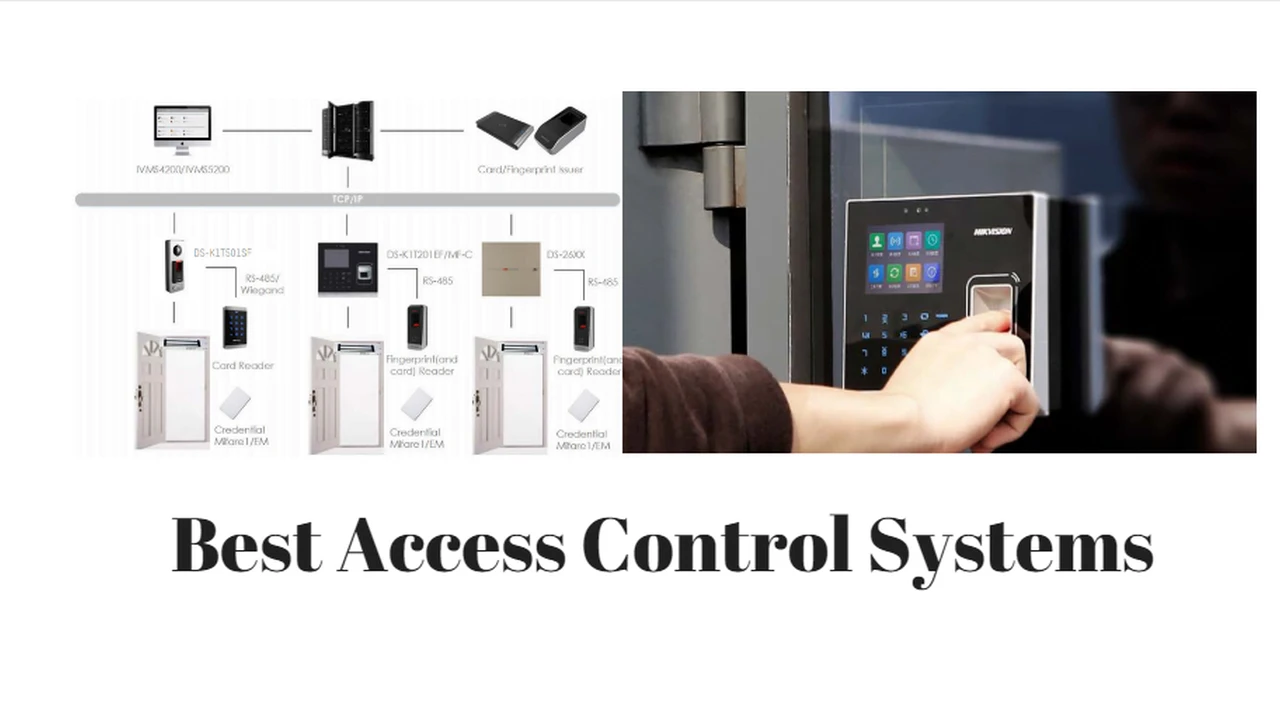
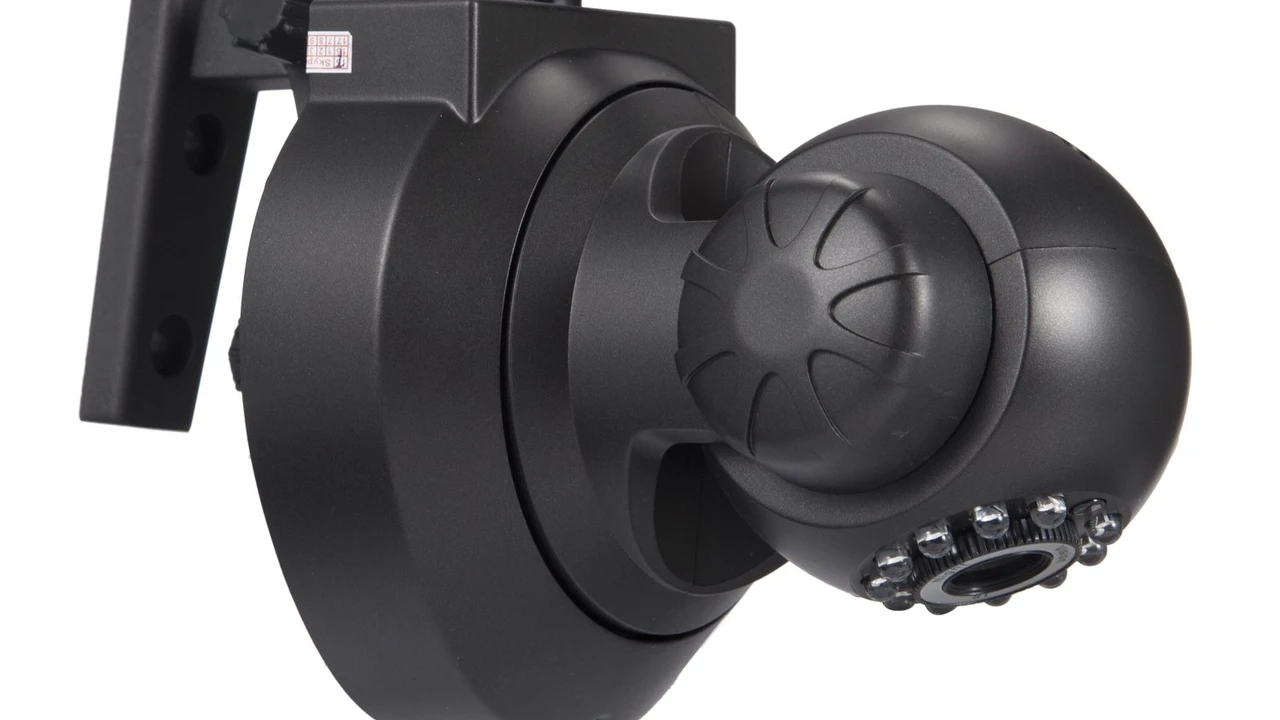
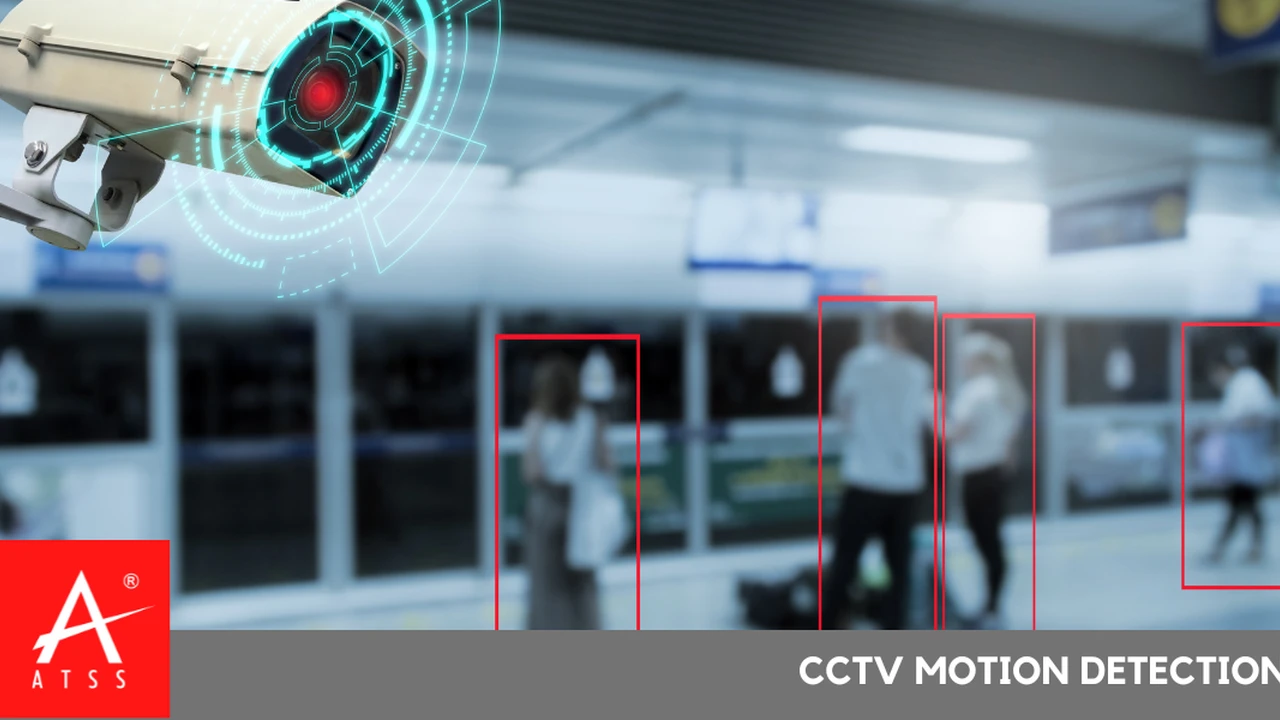
So, what exactly goes into an integrated security system for a commercial building? It's a blend of several critical technologies, all working in harmony. First up, you've got your Access Control Systems. This is more than just swiping a card; it's about managing who goes where and when. We're talking about smart card readers, biometric scanners (think fingerprint or facial recognition), and even mobile credentials that let employees use their smartphones for entry. These systems can be programmed to restrict access to sensitive areas, track entry and exit times, and even integrate with your HR system for easy onboarding and offboarding of staff. Then there's CCTV and Video Surveillance. Modern CCTV isn't just about recording footage; it's about intelligent video analytics. Cameras can detect unusual activity, identify suspicious packages, count people, and even integrate with your access control to verify identities. High-definition cameras, thermal imaging, and night vision are standard now, providing crystal-clear images day and night. Next, we have Intrusion Detection and Alarm Systems. These are your traditional alarms, but supercharged. They include motion sensors, door and window contacts, glass break detectors, and even vibration sensors. When an alarm is triggered, it can automatically alert security personnel, activate sirens, and even trigger specific camera feeds to start recording or send live streams to your security team. Don't forget about Intercom and Communication Systems. These allow for two-way communication at entry points, helping you screen visitors before granting access. They can be integrated with your access control and video systems for a complete visitor management solution. Finally, and increasingly important, is Cybersecurity Integration. Since many of these systems are IP-based and connected to your network, protecting them from cyber threats is paramount. This involves secure network configurations, regular software updates, and robust firewalls to prevent unauthorized access to your security infrastructure. When all these components are integrated, they create a powerful, multi-layered defense system that's far more effective than individual standalone solutions.
Top Integrated Security Solutions and Product Recommendations for Commercial Use
Alright, let's get down to some specifics. When you're looking for integrated security solutions for your commercial building, there are several top-tier providers that offer comprehensive platforms. These aren't just individual products; they're ecosystems designed to work together. Here are a few standout options, along with some specific product recommendations, typical use cases, and general pricing insights.
Genetec Security Center Unified Security Platform
Genetec is a powerhouse in the integrated security world, known for its highly scalable and robust Security Center platform. This platform unifies video surveillance (Omnicast), access control (Synergis), and license plate recognition (AutoVu) into a single interface. It's incredibly flexible and can be tailored for businesses of all sizes, from small offices to sprawling corporate campuses.
- Use Case: Large corporate offices, government buildings, airports, and critical infrastructure. It's perfect for environments that require a high level of customization, scalability, and advanced analytics.
- Key Features: Unified interface for all security functions, advanced video analytics, federated systems for multi-site management, robust cybersecurity features, and extensive third-party integrations.
- Product Recommendation: Genetec Security Center (the core platform). For hardware, they integrate with a vast array of cameras (Axis, Hanwha, Bosch, etc.) and access control hardware (HID, Mercury Security).
- Pricing: Genetec is a premium solution. Licensing costs for the software can range from several thousand dollars for smaller deployments to hundreds of thousands for large enterprises. Hardware costs are separate and depend on the scale and type of devices needed. Installation and ongoing maintenance also contribute significantly to the total cost of ownership. Expect a significant investment, but with a high return in terms of security and operational efficiency.
LenelS2 OnGuard Integrated Security System
LenelS2's OnGuard platform is another industry leader, particularly strong in access control but also offering robust video management and intrusion detection integration. It's known for its reliability and comprehensive feature set, making it a popular choice for large organizations with complex security needs.
- Use Case: Enterprise-level businesses, healthcare facilities, universities, and manufacturing plants. Ideal for organizations that need stringent access control and compliance reporting.
- Key Features: Powerful access control capabilities, visitor management, alarm monitoring, video surveillance integration, identity management, and mobile access solutions.
- Product Recommendation: LenelS2 OnGuard (the software platform). They offer their own line of access control hardware (panels, readers) and integrate with many third-party cameras.
- Pricing: Similar to Genetec, LenelS2 is an enterprise-grade solution. Software licenses can start from around $10,000 for basic systems and go much higher for advanced features and larger user counts. Hardware, installation, and support costs are additional. It's a significant investment, but you're getting a highly secure and reliable system.
Honeywell Pro-Watch Integrated Security Suite
Honeywell's Pro-Watch is a comprehensive security management suite that integrates access control, video surveillance, and intrusion detection. It's designed to provide a scalable and flexible solution for various commercial environments, with a focus on ease of use and powerful reporting.
- Use Case: Mid-to-large size commercial buildings, retail chains, and government facilities. Good for businesses looking for a well-established brand with a wide range of integrated products.
- Key Features: Centralized management of access control and video, advanced reporting, visitor management, mobile access, and integration with other Honeywell building management systems.
- Product Recommendation: Honeywell Pro-Watch Security Management Suite. They offer a full ecosystem of their own hardware, including access control panels (e.g., Honeywell PW-6000), readers, and cameras (e.g., Honeywell equIP Series).
- Pricing: Honeywell Pro-Watch falls into the mid-to-high range. Software licenses can start from a few thousand dollars and scale up. Hardware costs are competitive within the enterprise segment. It offers a good balance of features, reliability, and cost for many commercial applications.
Johnson Controls C•CURE 9000 Security and Event Management System
Johnson Controls' C•CURE 9000 is a powerful and highly scalable security management system that unifies access control, video, intrusion, and other security systems. It's known for its robust event management capabilities and ability to handle complex security scenarios.
- Use Case: Large enterprises, critical infrastructure, and facilities with stringent compliance requirements. Excellent for organizations needing advanced event correlation and automation.
- Key Features: Unified security management, advanced event correlation, powerful reporting, mobile access, visitor management, and extensive integration capabilities with other building systems.
- Product Recommendation: C•CURE 9000 (software platform). They integrate with a wide range of hardware, including their own Software House iSTAR access control panels and various IP cameras.
- Pricing: C•CURE 9000 is an enterprise-level solution with pricing comparable to Genetec and LenelS2. Expect significant investment in software licenses, hardware, and professional services for implementation and support.
Axis Communications End-to-End Solutions
While Axis is primarily known for its IP cameras, they also offer comprehensive end-to-end solutions that integrate video management software (VMS), access control, and audio systems. Their strength lies in their open platform approach, allowing for extensive integration with third-party devices and software.
- Use Case: Small to medium-sized commercial buildings, retail stores, and businesses that prioritize high-quality video surveillance and an open, flexible system.
- Key Features: Industry-leading IP cameras, robust video management software (Axis Camera Station), network door controllers for access control, audio analytics, and easy integration with other systems.
- Product Recommendation: Axis Camera Station (VMS), Axis network cameras (e.g., P32 series for general surveillance, Q-series for advanced needs), and Axis A1601 Network Door Controller for access control.
- Pricing: Axis offers a more modular approach. Camera prices vary widely from a few hundred dollars to several thousand. Axis Camera Station software licenses are typically per device and are more affordable than enterprise platforms, often starting in the low hundreds per camera. Access control hardware is also competitively priced. This can be a more cost-effective integrated solution for smaller to mid-sized businesses, especially if video is a primary concern.
Comparing Integrated Security Solutions Key Considerations for Your Business
Choosing the right integrated security solution isn't a one-size-fits-all decision. You need to weigh several factors to ensure you get a system that truly meets your commercial building's needs. Let's break down some key comparison points.
Scalability and Future-Proofing Your Security Investment
Think about where your business is headed. Are you planning to expand, add more locations, or increase your employee count? Your security system needs to grow with you. Some systems are designed for massive enterprise deployments, offering seamless expansion, while others are better suited for smaller, static environments. Look for solutions that allow you to easily add more cameras, access points, or integrate new technologies down the line without a complete overhaul. An open architecture that supports third-party integrations is a huge plus here, as it gives you flexibility and avoids vendor lock-in.
Integration Capabilities and Ecosystem Compatibility
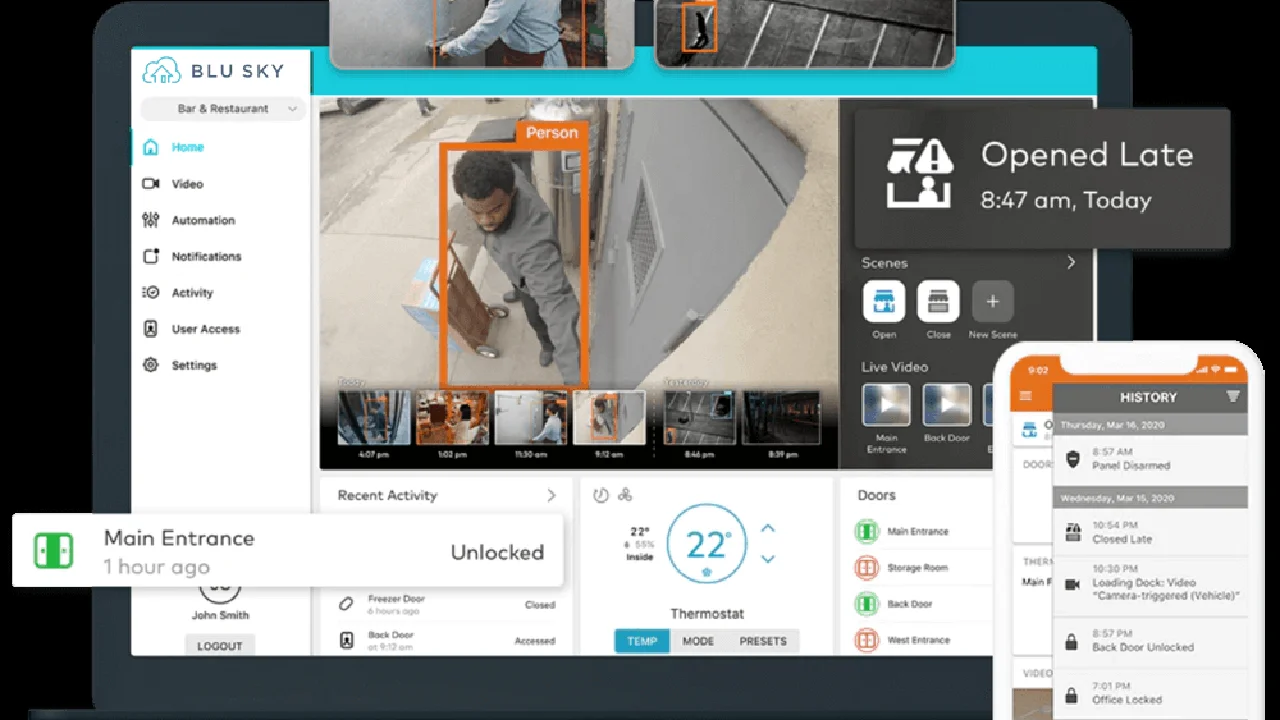
This is where the 'integrated' part really shines. How well does the system integrate with other technologies you already use or plan to use? We're talking about building management systems (BMS), HR software, visitor management platforms, and even smart lighting or HVAC systems. A truly integrated solution should act as a central hub, allowing different systems to share data and trigger actions across platforms. For example, if an alarm is triggered, can it automatically lock doors, turn on lights, and send a video feed to your security team? Look for solutions with extensive APIs and a track record of successful integrations.
User Interface and Ease of Management for Security Teams
A powerful system is only as good as its usability. Your security personnel need to be able to operate the system efficiently, especially during critical incidents. Look for an intuitive, user-friendly interface that provides a clear overview of your entire security posture. Can they easily pull up camera feeds, manage access credentials, and respond to alarms from a single dashboard? Mobile access and remote management capabilities are also crucial for today's dynamic work environments. A complex system that's difficult to navigate can lead to errors and slower response times, defeating the purpose of integration.
Cybersecurity Features and Data Protection Protocols
As more security systems move to IP networks and cloud platforms, cybersecurity becomes non-negotiable. You're collecting sensitive data – video footage, access logs, personal information – and it needs to be protected. Inquire about encryption protocols, secure boot features, vulnerability management, and compliance with data privacy regulations (like GDPR or CCPA). Does the vendor offer regular security updates and patches? A breach in your security system could have devastating consequences, so prioritize solutions with robust cybersecurity at their core.
Total Cost of Ownership Beyond Initial Purchase Price
Don't just look at the upfront cost. Consider the total cost of ownership (TCO) over the lifespan of the system. This includes software licenses, hardware costs, installation fees, ongoing maintenance contracts, software updates, and potential training costs for your staff. Some systems might have a lower initial price but higher recurring fees or more expensive hardware replacements. Factor in the cost of potential downtime or security incidents if you opt for a less robust solution. Sometimes, investing more upfront in a high-quality, integrated system can save you a lot of money and headaches in the long run.
Implementation and Best Practices for Integrated Security in Commercial Settings
So, you've picked your integrated security solution. Now what? Implementation is key, and doing it right can make all the difference. It's not just about plugging things in; it's about strategic planning and execution.
Strategic Planning and Needs Assessment for Optimal Security
Before you even think about installation, you need a solid plan. Start with a thorough needs assessment. What are your biggest security vulnerabilities? What assets are you trying to protect? Who needs access to which areas? What are your operational workflows? Involve key stakeholders from different departments – IT, HR, operations, and even legal – to get a comprehensive understanding of your requirements. This phase should also include a detailed site survey to identify optimal camera placements, access control points, and sensor locations. Don't rush this step; a well-defined plan is the foundation of a successful integrated security system.
Professional Installation and Configuration for Seamless Operation
Unless you have highly specialized in-house expertise, professional installation is almost always the way to go. Integrated systems are complex, requiring precise wiring, network configuration, and software setup. Certified installers understand the nuances of each component and how they interact. They'll ensure everything is properly calibrated, tested, and optimized for your specific environment. This includes setting up network infrastructure, configuring servers, installing software, and integrating all the different security devices. A professional installation minimizes errors, ensures optimal performance, and helps you avoid costly issues down the road.
Training and Ongoing Support for Your Security Personnel
Even the most advanced system is useless if your team doesn't know how to use it. Comprehensive training for your security personnel is crucial. They need to understand the system's features, how to respond to alerts, how to manage access credentials, and how to troubleshoot minor issues. This training should be ongoing, especially as new features are rolled out or staff changes occur. Beyond initial training, ensure you have a robust support plan in place with your vendor or integrator. This includes technical support, software updates, and regular maintenance to keep your system running smoothly and securely.
Regular System Audits and Maintenance for Peak Performance
Integrated security systems aren't a set-it-and-forget-it solution. Regular audits and maintenance are essential to ensure peak performance and identify potential vulnerabilities. This includes checking camera functionality, testing access control readers, verifying sensor operation, reviewing system logs, and ensuring all software is up to date. Cybersecurity audits should also be conducted regularly to scan for vulnerabilities and ensure your network remains secure. Proactive maintenance can prevent costly breakdowns, extend the life of your equipment, and ensure your security system is always ready to protect your commercial building.
The Future of Integrated Security Solutions Smart Buildings and Beyond
Integrated security isn't standing still; it's constantly evolving, driven by advancements in technology. The future promises even more intelligent, proactive, and interconnected systems, especially as we move towards truly smart buildings.
Artificial Intelligence and Machine Learning in Security Operations
AI and machine learning are already transforming security, and this trend will only accelerate. We're talking about advanced video analytics that can not only detect anomalies but also predict potential threats based on behavioral patterns. AI-powered access control can learn user habits to identify unusual entry attempts. Machine learning can help reduce false alarms by distinguishing between genuine threats and benign events. Imagine a system that can analyze vast amounts of data from all your security components, identify subtle patterns, and alert you to potential risks before they escalate. This predictive capability will make security far more proactive and efficient.
Cloud-Based Security Management and Remote Monitoring
The shift to the cloud is undeniable. Cloud-based security management offers unparalleled flexibility, scalability, and accessibility. You can manage your entire security infrastructure from anywhere, on any device, with real-time updates and centralized data storage. Remote monitoring services, often powered by AI, will become even more sophisticated, allowing for off-site security teams to manage multiple locations efficiently. This reduces the need for extensive on-site personnel and provides a more agile response to incidents. Data analytics in the cloud will also offer deeper insights into security trends and operational efficiency.
Seamless Integration with Smart Building Management Systems
The ultimate vision is a truly smart building where all systems – security, HVAC, lighting, energy management, and even occupancy sensors – are fully integrated and communicate seamlessly. An integrated security system will be a core component of this smart ecosystem. For example, if a fire alarm is triggered, the security system can automatically unlock emergency exits, activate smoke ventilation, and guide occupants to safety using digital signage. Occupancy data from security cameras can inform HVAC systems to optimize energy usage. This level of integration creates not just a secure building, but an intelligent, efficient, and responsive environment.
Enhanced Biometrics and Identity Verification Technologies
Biometrics are becoming more sophisticated and reliable. Beyond fingerprints and facial recognition, we'll see wider adoption of iris scanning, voice recognition, and even behavioral biometrics (how someone walks or types). These technologies will offer higher levels of security and convenience, making traditional keys and cards obsolete in many scenarios. Multi-factor authentication, combining biometrics with other credentials, will become standard, providing an even stronger layer of identity verification. The goal is to create a frictionless yet highly secure experience for authorized personnel while making it virtually impossible for unauthorized individuals to gain access.
So, there you have it. Integrated security solutions are not just a trend; they're the essential backbone for protecting any modern commercial building. By bringing together all your security elements into one smart, cohesive system, you're not just enhancing safety; you're also streamlining operations, gaining valuable insights, and future-proofing your business against evolving threats. It's a smart investment for a secure tomorrow.
:max_bytes(150000):strip_icc()/277019-baked-pork-chops-with-cream-of-mushroom-soup-DDMFS-beauty-4x3-BG-7505-5762b731cf30447d9cbbbbbf387beafa.jpg)