Professional Monitoring vs Self Monitoring Smart Security
Understand the differences between professional and self-monitoring options for smart home security systems.
Understand the differences between professional and self-monitoring options for smart home security systems. Choosing the right monitoring solution for your smart home security system is a big decision. It’s not just about the gadgets and gizmos; it’s about how those gadgets communicate when something goes wrong. Do you want a team of experts watching over your home 24/7, or do you prefer to be the first (and sometimes only) one to know when an alarm triggers? This article dives deep into the world of professional monitoring versus self-monitoring, helping you figure out which path is best for your peace of mind and your wallet.
Professional Monitoring vs Self Monitoring Smart Security
Understanding Professional Monitoring for Home Security
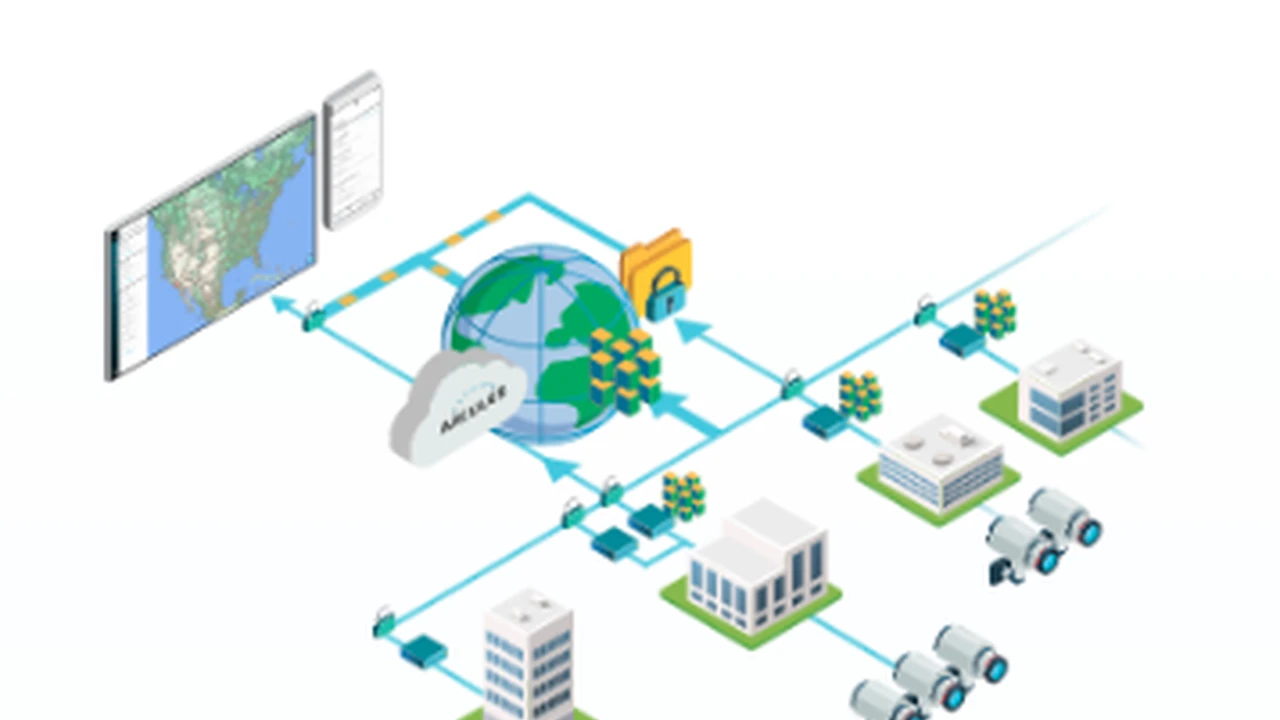
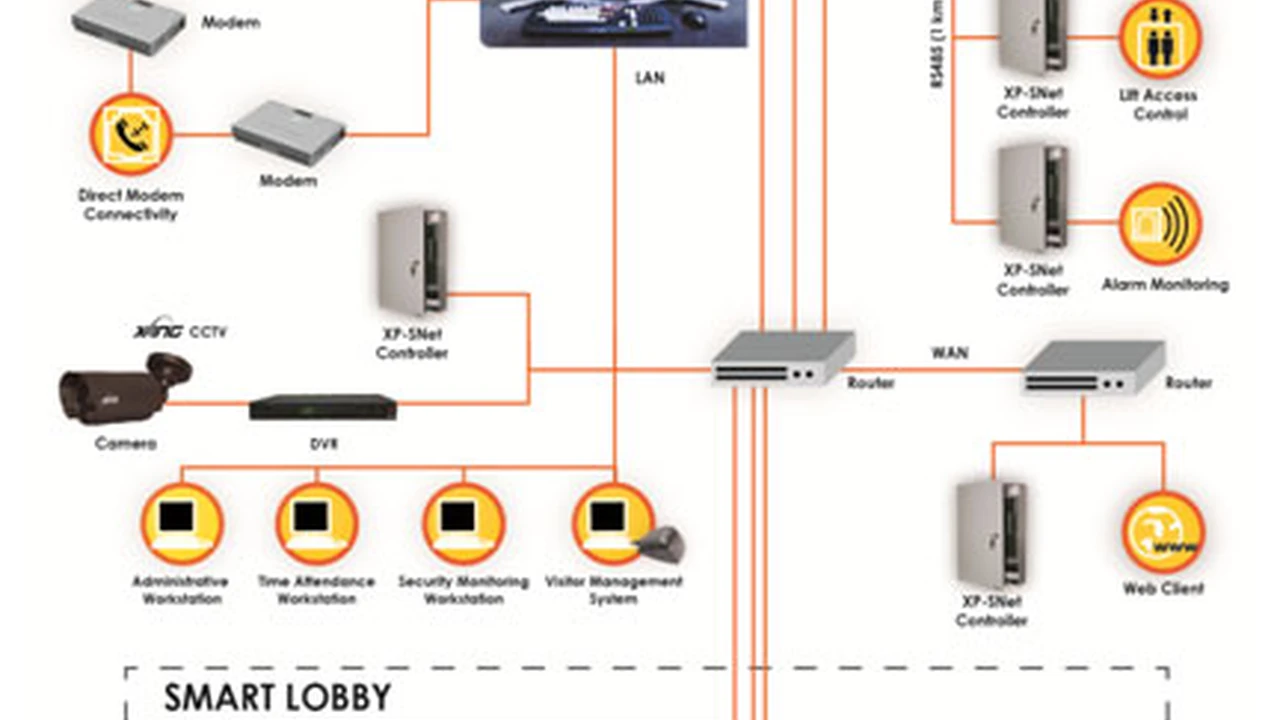
So, what exactly is professional monitoring? Think of it as having a dedicated security team constantly on alert for your home. When your smart home security system detects an intrusion, fire, or other emergency, it doesn't just send an alert to your phone. Instead, it sends that signal to a central monitoring station. Trained operators at this station then verify the alarm (sometimes by calling you first) and, if necessary, dispatch emergency services – police, fire department, or medical personnel – to your home. This happens whether you're home, at work, or on vacation halfway across the world. It’s a hands-off approach for you, ensuring that even if you miss an alert, someone is always responding.
Key Features and Benefits of Professional Monitoring Services
One of the biggest benefits of professional monitoring is the rapid response. These monitoring centers are staffed around the clock, meaning there's always someone ready to act. They have established protocols with emergency services, which can often lead to a faster dispatch than if you were to call 911 yourself after receiving a self-monitoring alert. Many professional services also offer cellular backup, so even if your internet goes down or a power outage occurs, your system can still communicate with the monitoring station. This adds a crucial layer of reliability. Plus, some insurance companies offer discounts for homes with professionally monitored security systems, which can help offset the monthly fees.
Potential Drawbacks and Costs of Professional Monitoring
Of course, professional monitoring isn't without its downsides. The most obvious is the recurring monthly fee. These fees can vary widely, from around $15 to $60 or more per month, depending on the provider and the level of service. This adds up over time. Another potential drawback is the possibility of false alarms. If your system frequently triggers false alarms, you might face fines from your local police department, as they are dispatched unnecessarily. Some people also feel a loss of control, as they are not the primary point of contact for their own home's security.
Exploring Self Monitoring Smart Security Systems
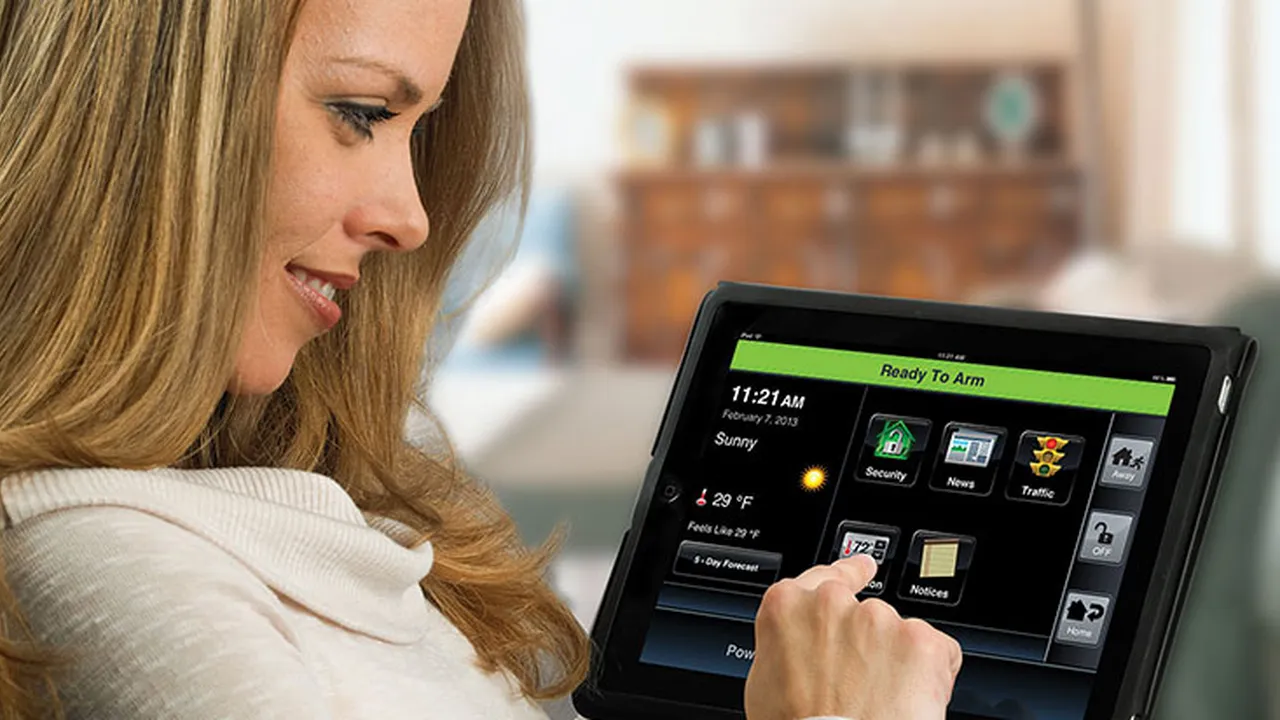
Self-monitoring, on the other hand, puts you squarely in charge. When your smart home security system detects an event – a door opening, motion detected, or a smoke alarm going off – it sends an alert directly to your smartphone or other designated devices. You then decide how to respond. This could mean checking your security cameras, calling a neighbor, or contacting emergency services yourself. It’s a more DIY approach to security, giving you direct control and immediate notification.
Advantages of Self Monitoring for Homeowners
The biggest advantage of self-monitoring is the cost savings. There are typically no monthly fees involved, beyond the initial purchase of the equipment. This makes smart home security much more accessible for many budgets. You also get immediate notifications directly to your phone, giving you real-time awareness of what's happening at home. This direct control can be empowering, allowing you to assess the situation yourself before deciding on the next steps. Many self-monitored systems also offer a high degree of flexibility and customization, letting you integrate various smart home devices and tailor alerts to your preferences.
Challenges and Limitations of Self Monitoring
While cost-effective, self-monitoring comes with its own set of challenges. The most significant is that you are solely responsible for responding to alerts. If you're asleep, in a meeting, or simply don't have your phone on you, an alarm could go unnoticed. This means a delayed response to actual emergencies. There's also the potential for 'alert fatigue' if your system sends too many non-critical notifications. Furthermore, self-monitored systems often rely heavily on your home's internet connection. If your Wi-Fi goes down, your system might not be able to send you alerts, leaving your home vulnerable. Unlike professional monitoring, there's no automatic dispatch of emergency services, placing the burden of contacting them entirely on you.
Comparing Professional and Self Monitoring Key Differences
Let's break down the core differences to help you make an informed choice.
Response Time and Emergency Dispatch
With professional monitoring, the response is typically faster and more reliable for emergencies. The monitoring station has direct lines to emergency services and established protocols. For self-monitoring, your response time depends entirely on your availability and ability to act quickly. If you're unable to respond, there's no backup.
Cost Implications and Long Term Expenses
Professional monitoring involves ongoing monthly fees, which can add up significantly over the years. Self-monitoring generally has no recurring fees, making it a more budget-friendly option in the long run, assuming you're comfortable with the responsibilities.
Reliability and System Redundancy
Professionally monitored systems often include cellular backup, ensuring communication even during power or internet outages. Self-monitored systems typically rely solely on your home internet, making them more vulnerable to connectivity issues.
Convenience and Peace of Mind Factors
Professional monitoring offers a higher level of convenience and peace of mind, knowing that someone is always watching. Self-monitoring requires more active involvement and vigilance from the homeowner.
Top Smart Security Systems for Professional Monitoring
If you're leaning towards professional monitoring, here are a few top contenders that offer excellent services and reliable equipment.
ADT Command and Control
ADT is a household name in home security, and for good reason. Their Command and Control system offers robust professional monitoring with a wide range of sensors, cameras, and smart home integrations. They have multiple monitoring centers across the country, ensuring redundancy and quick response times. ADT's professional installation ensures everything is set up correctly, and their customer service is generally highly rated. They offer various packages, typically starting around $30-$40 per month for basic monitoring, with higher tiers including video surveillance and smart home automation. Their equipment can be a bit pricier upfront, but it's known for its reliability. ADT is great for those who want a comprehensive, hands-off security solution with a long-standing reputation.
Vivint Smart Home Security
Vivint offers a premium, professionally installed and monitored smart home security experience. Their systems are known for their sleek design, advanced smart home integration, and excellent customer support. Vivint's monitoring plans typically start around $30-$40 per month, but their equipment costs can be substantial, often requiring a contract. They excel in offering a truly integrated smart home experience, combining security with smart lighting, thermostats, and more, all controlled through a single app. Vivint is ideal for homeowners who want a high-end, fully integrated smart home and security system with professional monitoring and are willing to invest more upfront.
SimpliSafe Home Security
SimpliSafe is a popular choice for its DIY installation combined with optional professional monitoring. This gives you the flexibility to set up the system yourself, saving on installation costs, but still have the peace of mind of 24/7 professional monitoring. Their monitoring plans are more affordable, starting around $15-$25 per month, making them a great value. SimpliSafe's equipment is easy to install and use, and they offer a good range of sensors and cameras. They also provide cellular backup with their monitoring plans. SimpliSafe is perfect for those who want the benefits of professional monitoring without the high installation costs or long-term contracts often associated with traditional providers.
Leading Smart Security Systems for Self Monitoring
If you prefer to be in control and save on monthly fees, these self-monitoring systems are excellent choices.
Ring Alarm Security Kit
Ring, famous for its video doorbells, also offers a comprehensive self-monitored alarm system. The Ring Alarm Security Kit is incredibly easy to install yourself and integrates seamlessly with other Ring devices like cameras and doorbells. When an alarm triggers, you receive instant notifications on your phone, allowing you to view live camera feeds and decide on the next steps. While primarily self-monitored, Ring does offer an optional 'Ring Protect Plus' plan for around $10 per month, which includes professional monitoring and cellular backup, giving you flexibility. The equipment is very affordable, making it a great entry point for smart home security. Ring is ideal for those who are already in the Amazon ecosystem, want an easy DIY setup, and prefer to manage their own security alerts.
Arlo Home Security System
Arlo is renowned for its high-quality wireless cameras, and their security system builds on that reputation. The Arlo Home Security System is designed for self-monitoring, sending rich notifications with video clips directly to your phone when an event occurs. This allows for quick visual verification of threats. The system is modular, letting you add various sensors and cameras as needed. Arlo's cameras often come with free cloud storage for a limited time, and paid plans offer more storage and advanced features. The equipment can be a bit more expensive than Ring, but the video quality is often superior. Arlo is best for users who prioritize high-quality video surveillance and want a flexible, self-managed system with excellent camera integration.
Wyze Home Monitoring
Wyze is known for its incredibly affordable smart home devices, and their Home Monitoring system follows suit. It's a budget-friendly option for self-monitoring, offering a starter kit with a hub, motion sensor, and entry sensors at a very low price point. When an alarm is triggered, you get instant alerts on your Wyze app. While primarily self-monitored, Wyze also offers an optional professional monitoring service for a very competitive price, often around $5-$10 per month, making it one of the most affordable options for professional backup. Wyze is perfect for budget-conscious consumers who want basic, reliable self-monitoring with the option to add professional monitoring without breaking the bank.
Making the Right Choice for Your Home and Lifestyle
Deciding between professional and self-monitoring really boils down to your personal preferences, budget, and lifestyle. There's no one-size-fits-all answer, and what works for one homeowner might not be suitable for another.
Assessing Your Security Needs and Budget
First, consider your security needs. Do you live in an area with high crime rates? Do you travel frequently? Do you have valuable possessions that require extra protection? These factors might push you towards the added reliability of professional monitoring. Next, look at your budget. Are you comfortable with a recurring monthly fee, or do you prefer a one-time equipment purchase? Remember to factor in potential insurance discounts for professionally monitored systems.
Considering Your Availability and Response Capability
Your personal availability is a huge factor. If you're often away from your phone, in meetings, or simply not always able to respond immediately to alerts, professional monitoring offers a crucial safety net. If you're always connected and confident in your ability to act quickly, self-monitoring might be a good fit. Think about who else might be able to respond if you're unavailable – a trusted neighbor or family member, perhaps?
Future Proofing Your Smart Home Security System
Consider how you want your security system to evolve. Do you plan to integrate many other smart home devices? Some systems are more open and flexible for integration than others. Also, think about the longevity of the company and their commitment to updates and support. A good smart security system should be able to adapt to new technologies and threats over time.
Ultimately, both professional and self-monitoring offer valid approaches to smart home security. The best choice is the one that provides you with the most peace of mind, fits your budget, and aligns with your ability to manage your home's safety.
:max_bytes(150000):strip_icc()/277019-baked-pork-chops-with-cream-of-mushroom-soup-DDMFS-beauty-4x3-BG-7505-5762b731cf30447d9cbbbbbf387beafa.jpg)