The Evolution of Home Alarm System Technology
An in-depth look at the historical development and future trends in home alarm system technology.
An in-depth look at the historical development and future trends in home alarm system technology.
The Evolution of Home Alarm System Technology
From Simple Bells to Smart Sensors The Early Days of Home Security
Hey there! Ever wondered how we got from a simple bell on a door to those super-smart home alarm systems we have today? It’s a pretty cool journey, actually. For centuries, home security was pretty basic. Think about it: a sturdy lock, maybe a dog, and if you were really fancy, a loud bell that would ring if someone tried to sneak in. These early systems were purely mechanical, relying on physical barriers and noise to deter intruders. They were effective for their time, but they had their limitations. You had to be home to hear the bell, and there was no way to know what was happening if you were out.
Fast forward to the late 19th and early 20th centuries, and we started seeing the first electrical alarm systems. These were still pretty rudimentary, often just a circuit that would trigger a bell or siren when a door or window was opened. They were a big step up from purely mechanical systems because they could be more sensitive and louder, but they still lacked any real 'intelligence.' You couldn't arm or disarm them remotely, and false alarms were a common headache. Imagine a gust of wind setting off your entire neighborhood! Not ideal, right?
The mid-20th century brought about more sophisticated wired systems. These involved running wires throughout the house to connect sensors to a central control panel. This was a more reliable setup, but installation was a nightmare – drilling holes, pulling wires, it was a whole thing. These systems often included basic motion detectors and glass break sensors, adding layers of protection beyond just doors and windows. They also introduced the concept of a 'zone,' allowing you to arm specific areas of your home while leaving others disarmed. This was a game-changer for families with pets or those who wanted to move freely within certain parts of their home while still being protected.
The Rise of Wireless and DIY Systems Convenience and Accessibility in Home Security
Then came the 1980s and 90s, and with them, the rise of wireless technology. This was a massive leap forward for home alarm systems. Suddenly, you didn't need to tear apart your walls to install sensors. Wireless sensors communicated with the control panel via radio frequencies, making installation much easier and less intrusive. This opened the door for DIY (Do-It-Yourself) home security systems, which became increasingly popular. Companies like SimpliSafe and Ring later capitalized on this trend, making home security more accessible and affordable for the average homeowner.
DIY systems really changed the game. Before, you almost always needed a professional installer, which added to the cost and complexity. With DIY, you could buy a kit, follow some instructions, and have your home protected in an afternoon. This democratized home security, bringing it within reach of many more people. Plus, wireless systems offered more flexibility. You could easily move sensors around, add new ones, or even take your system with you if you moved to a new house. This was a huge selling point for renters or those who didn't want to commit to a permanent installation.
Along with wireless, we saw the introduction of more advanced sensors. Beyond just door and window contacts, we started getting sophisticated motion detectors that could differentiate between a pet and a person, reducing false alarms. Glass break sensors became more accurate, and smoke and carbon monoxide detectors began to integrate with the main alarm system, offering a more comprehensive safety solution. This era was all about making security easier to install, more flexible, and more reliable for everyday users.
Smart Home Integration and the IoT Revolution Connected Security for Modern Living
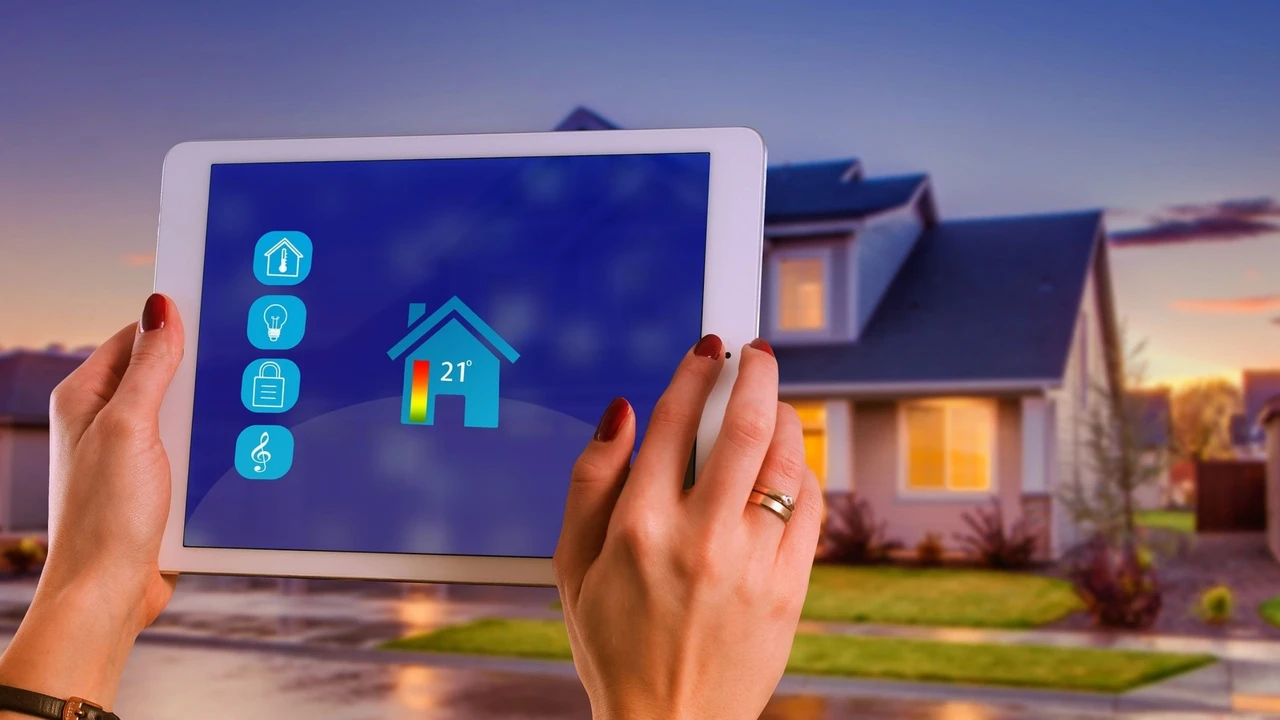
The 21st century brought us the internet of things (IoT) and the smart home revolution, and home alarm systems were right at the forefront. Suddenly, your alarm system wasn't just about detecting intruders; it was about connecting to everything else in your home. Think about it: your security system can now talk to your smart lights, your smart thermostat, and even your smart locks. This integration creates a truly intelligent home that can respond to various situations.
With smart home integration, you can do things like have your lights turn on automatically if the alarm is triggered, or unlock your doors remotely for a trusted friend. You can arm and disarm your system from your smartphone, receive real-time alerts, and even view live video feeds from your security cameras, no matter where you are in the world. This level of control and connectivity was unimaginable just a few decades ago.
The rise of voice assistants like Amazon Alexa and Google Assistant further enhanced this integration. Now, you can arm your system with a simple voice command, or ask your assistant to check the status of your doors and windows. This hands-free control adds another layer of convenience and makes managing your home security even easier. It's all about creating a seamless and intuitive experience for the homeowner.
AI and Machine Learning The Future of Predictive Home Security
So, what's next? The future of home alarm system technology is all about artificial intelligence (AI) and machine learning. We're moving beyond just reactive security – detecting an event after it happens – to proactive and even predictive security. Imagine a system that can learn your daily routines and alert you to unusual activity before it becomes a problem. That's where AI comes in.
AI-powered cameras can now differentiate between a family member, a delivery person, and a potential intruder. They can even recognize specific faces or vehicles. This significantly reduces false alarms and provides more meaningful alerts. Machine learning algorithms can analyze patterns of behavior and environmental factors to predict potential threats. For example, if your system notices a car repeatedly circling your block at odd hours, it might flag it as suspicious and alert you.
Another exciting area is the development of self-healing and self-optimizing systems. These systems can detect vulnerabilities in their own network, update their software automatically, and even adjust sensor sensitivity based on environmental conditions. This means less maintenance for you and a more robust security posture overall. We're also seeing advancements in biometric authentication, with facial recognition and fingerprint scanners becoming more common for access control, offering a higher level of security than traditional keypads.
Recommended Smart Home Alarm Systems for Modern Protection
Alright, let's talk about some specific systems that are leading the charge in modern home security. When you're looking for a system, you'll want to consider factors like ease of installation, monitoring options, smart home integration, and of course, cost. Here are a few top contenders:
SimpliSafe The DIY Champion with Professional Monitoring
SimpliSafe is a fantastic option for those who want a reliable, easy-to-install DIY system with the option for professional monitoring. Their systems are known for their simplicity and effectiveness. You can customize your package with a variety of sensors, including entry sensors, motion sensors, glass break sensors, and even environmental sensors for smoke, CO, and water leaks. Installation is a breeze – just peel and stick most sensors. The base station connects to Wi-Fi and cellular, ensuring your system stays online even if your internet goes down.
Key Features:
- DIY Installation: Super easy to set up yourself, no tools usually required.
- Flexible Monitoring: Choose between self-monitoring or professional 24/7 monitoring with no long-term contracts.
- Wide Range of Sensors: Comprehensive protection with various sensor types.
- Smart Home Integration: Works with Amazon Alexa and Google Assistant.
- Cellular Backup: Ensures continuous protection even during power outages.
Use Cases: Perfect for renters, homeowners who want flexibility, or anyone looking for an affordable yet robust security solution. Great for apartments, small to medium-sized homes, and even vacation properties.
Pricing: Starter kits typically range from $200-$500, depending on the number of sensors. Professional monitoring plans start around $17.99/month.
Ring Alarm Pro The All-in-One Smart Home Security Hub
Ring, famous for its video doorbells, has expanded into full-fledged home alarm systems with the Ring Alarm Pro. What makes this system stand out is its integration with an Eero Wi-Fi 6 router, providing not just security but also a robust and secure Wi-Fi network for your entire home. This means your security devices have a dedicated, reliable connection, and you get enhanced network security features.
Key Features:
- Integrated Eero Wi-Fi 6 Router: Provides fast, secure Wi-Fi and a dedicated network for security devices.
- Local Storage: With a Ring Protect Pro subscription, you can get local video storage for your Ring cameras.
- Professional Monitoring: Optional 24/7 professional monitoring with cellular backup.
- Extensive Device Ecosystem: Seamless integration with Ring cameras, video doorbells, and smart lighting.
- Alexa Integration: Deep integration with Amazon Alexa for voice control and smart home routines.
Use Cases: Ideal for homeowners who are already invested in the Ring ecosystem or those looking for a comprehensive smart home security solution that also upgrades their home network. Excellent for larger homes where Wi-Fi coverage and security are paramount.
Pricing: Starter kits for Ring Alarm Pro begin around $250-$300. The Ring Protect Pro plan, which includes professional monitoring and Eero Secure features, is $20/month or $200/year.
Arlo Security System Advanced Wireless Cameras and AI Detection
While Arlo is primarily known for its high-quality wireless security cameras, they've recently launched a full security system that integrates seamlessly with their camera lineup. The Arlo Security System features an all-in-one sensor that can detect motion, open/close, water leaks, and even smoke/CO alarms. This versatility makes it a powerful addition to any home, especially if you value advanced video surveillance.
Key Features:
- Versatile All-in-One Sensor: Detects multiple threats with a single device.
- Advanced AI Detection: Arlo cameras offer person, vehicle, animal, and package detection.
- Wire-Free Cameras: Easy placement and long-lasting battery life for cameras.
- 24/7 Professional Monitoring: Available with a subscription plan.
- Local Storage Option: Arlo SmartHub allows for local video storage.
Use Cases: Best for users who prioritize high-quality video surveillance and want a security system that integrates tightly with their cameras. Great for homes with large outdoor areas or those who want detailed event recording and smart alerts.
Pricing: The Arlo Security System starts around $200 for a basic kit. Arlo Secure plans, which include cloud recording and professional monitoring, start at $4.99/month for a single camera and go up for multiple cameras and full system monitoring.
Abode Home Security Systems Customizable and Smart Home Friendly
Abode offers a highly customizable and smart home-friendly security system that appeals to tech-savvy users. They provide both DIY and professionally installed options, and their systems are compatible with a wide range of third-party smart home devices, including Zigbee and Z-Wave products. This makes Abode a great choice if you want to build a truly integrated smart home ecosystem around your security.
Key Features:
- Extensive Smart Home Compatibility: Works with Zigbee, Z-Wave, HomeKit, Alexa, and Google Assistant.
- Flexible Monitoring Options: Self-monitoring, on-demand professional monitoring, or 24/7 professional monitoring.
- Customizable Kits: Build your system exactly how you want it.
- High-Quality Sensors: Reliable and accurate sensors for various detection needs.
- Automation Capabilities: Create complex automation rules based on security events.
Use Cases: Ideal for smart home enthusiasts who want deep integration with other devices and advanced automation. Suitable for homeowners who want a highly flexible system that can grow with their needs and preferences.
Pricing: Starter kits range from $150-$300. Monitoring plans vary, with self-monitoring being free, and professional monitoring starting around $20/month.
Comparing the Top Home Alarm Systems Key Considerations for Your Purchase
When you're trying to pick the right home alarm system, it can feel a bit overwhelming with all the options out there. Let's break down some key things to think about, comparing the systems we just talked about:
Installation and Setup DIY vs Professional Home Security
SimpliSafe: Super easy DIY. Most sensors are peel-and-stick. You can get it up and running in under an hour. No professional installation needed, which saves you money.
Ring Alarm Pro: Also very DIY-friendly. The base station is also an Eero router, so you'll be setting up your Wi-Fi at the same time. The sensors are easy to pair and place.
Arlo Security System: The all-in-one sensors are simple to place. If you're adding Arlo cameras, those are also wire-free and easy to mount. The hub setup is straightforward.
Abode: Offers both DIY and professional installation. The DIY setup is quite manageable, especially if you're comfortable with smart home tech. Their gateway connects easily to your network.
Verdict: If ease of DIY is your absolute top priority, SimpliSafe and Ring are neck and neck. Arlo is also very simple. Abode is great for DIY but offers professional help if you prefer.
Monitoring Options Self-Monitoring vs Professional Services
SimpliSafe: Offers both self-monitoring (with basic alerts) and professional 24/7 monitoring. Their professional plans are very competitive and don't require long contracts.
Ring Alarm Pro: Primarily designed for professional monitoring with the Ring Protect Pro plan, which unlocks many of its advanced features like local storage and Eero Secure. Self-monitoring is possible but less feature-rich.
Arlo Security System: Offers self-monitoring with basic alerts and professional monitoring through their Arlo Secure plans. The professional monitoring integrates well with their video capabilities.
Abode: Very flexible here. You can self-monitor for free, pay for on-demand professional monitoring for short periods (like when you're on vacation), or subscribe to 24/7 professional monitoring.
Verdict: Abode offers the most flexibility in monitoring. SimpliSafe is excellent for affordable professional monitoring. Ring is best if you want to go all-in on their professional plan for the added features.
Smart Home Integration and Ecosystem Compatibility
SimpliSafe: Integrates with Amazon Alexa and Google Assistant. It's a bit more of a standalone security system, though, rather than a central smart home hub.
Ring Alarm Pro: Deep integration with the entire Ring ecosystem (cameras, doorbells, lights) and Amazon Alexa. If you're an Alexa user, this is a strong contender.
Arlo Security System: Integrates well with Arlo cameras and works with Alexa and Google Assistant. Its strength is in its video capabilities.
Abode: This is where Abode shines. It's compatible with Zigbee, Z-Wave, HomeKit, Alexa, and Google Assistant. It's designed to be a central hub for a wide array of smart home devices.
Verdict: For broad smart home integration and acting as a central hub, Abode is the clear winner. If you're already heavily invested in the Ring/Alexa ecosystem, Ring Alarm Pro is a natural fit.
Cost and Value Initial Investment and Monthly Fees
SimpliSafe: Generally one of the more affordable options for both equipment and professional monitoring. Great value for a reliable system.
Ring Alarm Pro: Equipment cost is moderate, but the Ring Protect Pro plan is essential to get the most out of the system, adding to the monthly cost. However, it includes Eero Secure, which is a nice bonus.
Arlo Security System: Equipment cost is moderate. Monitoring plans are competitive, especially if you have multiple Arlo cameras. The all-in-one sensor adds value.
Abode: Equipment costs are competitive, and their flexible monitoring options can save you money if you don't need 24/7 professional monitoring all the time.
Verdict: SimpliSafe often offers the best overall value for a complete security system. Abode is great for flexibility in monitoring costs. Ring's value increases if you need the integrated Eero router and are already a Ring camera user.
Emerging Technologies and What to Expect Next in Home Security
The world of home security is always moving forward, and there are some really cool things on the horizon. We're talking about even smarter, more intuitive systems that blend seamlessly into our lives.
Hyper-Personalized Security Systems
Imagine a system that knows exactly who should be in your home and when. Future systems will likely use even more advanced biometrics – not just fingerprints or facial recognition, but perhaps even gait analysis (how you walk) or voice recognition to verify identities. This means fewer false alarms and a much higher level of security. These systems could also learn your habits so well that they can predict when you might forget to arm your system and remind you, or even arm it for you automatically.
Integrated Drone Surveillance
This might sound like something out of a sci-fi movie, but small, autonomous drones could become part of future home security systems. If an outdoor sensor is triggered, a drone could be dispatched to investigate, providing live video feedback to you and potentially to monitoring centers. This would offer a much broader and more dynamic view of your property than fixed cameras alone. Of course, there are privacy concerns to work through here, but the technology is certainly advancing.
Quantum-Resistant Encryption
As computing power grows, so does the threat of sophisticated cyberattacks. Future home alarm systems will need to employ quantum-resistant encryption to protect your data and ensure the integrity of your system. This means your video feeds, personal data, and system controls will be safe from even the most advanced hacking attempts.
Energy Harvesting Sensors
Tired of changing batteries in your sensors? Future sensors might be powered by ambient energy sources like light, vibration, or even temperature differences. This would make them truly maintenance-free and even more environmentally friendly. Imagine never having to worry about a dead sensor battery again!
Proactive Threat Neutralization
While current systems focus on detection and alerting, future systems might incorporate non-lethal deterrents. Think about smart lighting that can create disorienting patterns, or sound systems that emit unpleasant frequencies to scare off intruders. These systems would aim to prevent an intrusion before it even fully happens, rather than just reacting to it.
It's an exciting time for home security technology. From those simple bells to the incredibly sophisticated, AI-powered systems of today and tomorrow, the goal remains the same: to keep our homes and loved ones safe. And with these advancements, we're getting closer and closer to truly intelligent and invisible protection.
:max_bytes(150000):strip_icc()/277019-baked-pork-chops-with-cream-of-mushroom-soup-DDMFS-beauty-4x3-BG-7505-5762b731cf30447d9cbbbbbf387beafa.jpg)