Monitored vs Unmonitored Alarm Systems Explained
Understand the differences between monitored and unmonitored alarm systems to decide which provides better security.
Understand the differences between monitored and unmonitored alarm systems to decide which provides better security.
Monitored vs Unmonitored Alarm Systems Explained
When you're looking into home security, one of the biggest decisions you'll face is whether to go with a monitored or unmonitored alarm system. It might seem like a small detail, but it actually makes a huge difference in how your home is protected and what happens when an alarm goes off. Let's break down both options, look at some popular products, and help you figure out which one is the best fit for your home and lifestyle.
What is a Monitored Alarm System and How Does it Work
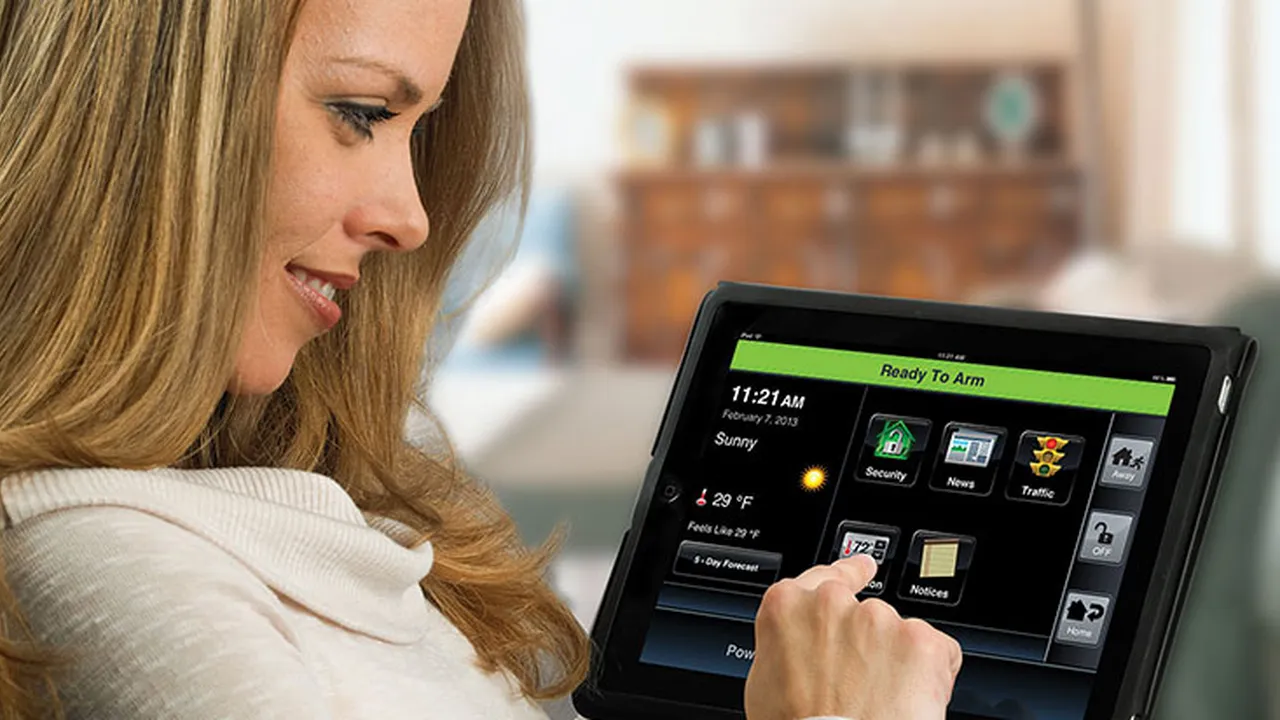
Alright, so what exactly is a monitored alarm system? Think of it like having a security guard for your home, but instead of a person standing outside, it's a team of professionals watching over your system 24/7. When an alarm is triggered – whether it's a door opening, a window breaking, or a smoke detector going off – the system doesn't just make noise. It sends an immediate signal to a central monitoring station. These stations are staffed by trained operators who then follow a specific protocol. Typically, they'll try to contact you first to verify if it's a real emergency or a false alarm. If they can't reach you, or if you confirm an emergency, they'll dispatch emergency services – police, fire department, or medical personnel – to your home. This whole process usually happens within minutes, which can be crucial in a real emergency.
Key Features and Benefits of Monitored Home Security
The biggest benefit of a monitored system is peace of mind. You know that even if you're not home, or if you're asleep, someone is always watching. This is especially valuable for people who travel frequently, have elderly family members, or live in areas with higher crime rates. Another huge plus is the rapid response. When every second counts, having professionals dispatch emergency services quickly can prevent significant loss or harm. Many insurance companies also offer discounts for homes with monitored security systems, which can save you a bit of money in the long run. Plus, these systems often come with advanced features like remote access via smartphone apps, environmental monitoring (for floods or carbon monoxide), and even smart home integration, allowing you to control lights, locks, and thermostats from anywhere.
Potential Drawbacks and Costs of Monitored Security Systems
Of course, there are some downsides. The most obvious one is the cost. Monitored systems typically involve a monthly or annual subscription fee for the monitoring service. This can range from $15 to $60 or more, depending on the provider and the level of service. Installation can also be more complex, sometimes requiring professional setup, which adds to the initial cost. You might also be tied into a contract, which can be a commitment. False alarms can also be an issue; if emergency services are dispatched too often for non-emergencies, you might face fines from your local municipality. It's important to understand the terms and conditions of your monitoring contract to avoid any surprises.
What is an Unmonitored Alarm System and How Does it Work
Now, let's talk about unmonitored alarm systems. These are pretty straightforward. When an alarm is triggered, the system makes a loud noise – a siren, a chime, flashing lights – to alert you and hopefully scare off intruders. That's pretty much it. The system doesn't automatically contact anyone. It's entirely up to you or your neighbors to hear the alarm and then decide to call emergency services. Think of it as a really loud doorbell that goes off when someone tries to break in. It's designed to be a deterrent and to alert those nearby, but it doesn't have that direct line to help.
Key Features and Benefits of Unmonitored Home Security
The main advantage of an unmonitored system is the cost. There are no monthly fees, which makes it a much more budget-friendly option. Installation is often simpler, with many DIY kits available that you can set up yourself without professional help. This gives you more control over your system and avoids long-term contracts. Unmonitored systems are great for people who are often home, have close-knit neighbors who are likely to respond to an alarm, or live in very low-crime areas where the primary goal is simply to deter opportunistic thieves. They can still provide a basic level of security and act as a visual deterrent, making your home less appealing to potential intruders.
Potential Drawbacks and Limitations of Unmonitored Alarm Systems
The biggest drawback here is the lack of immediate professional response. If you're not home, or if you're asleep and don't hear the alarm, no one is automatically notified. This means a break-in could occur, and emergency services might not be called until much later, potentially leading to greater losses. Neighbors might also ignore alarms over time, especially if false alarms are frequent. There's also no guarantee that the loud siren will actually deter a determined intruder, especially if they know no one is coming. For serious emergencies like fires or medical issues, an unmonitored system offers very limited protection, as it won't automatically alert the fire department or paramedics.
Comparing Monitored vs Unmonitored Alarm Systems for Different Scenarios
Let's dive into some specific scenarios to help you decide. It's not a one-size-fits-all answer, and what works for one person might not work for another.
Best for Frequent Travelers and Remote Property Owners
If you're someone who travels a lot, whether for work or pleasure, a monitored system is almost a no-brainer. Imagine you're on vacation in Bali, and your unmonitored alarm goes off back home. What are you going to do? With a monitored system, you can relax knowing that if something happens, the professionals will handle it. For remote properties or vacation homes, this is even more critical. You can't rely on neighbors to check on an alarm if there are no neighbors nearby. A monitored system ensures that even when you're thousands of miles away, your property is still being actively protected.
Ideal for Budget-Conscious Homeowners and DIY Enthusiasts
On the flip side, if you're on a tight budget and love to do things yourself, an unmonitored system might be perfect. You can buy a DIY kit, install it yourself, and avoid those recurring monthly fees. This is great for renters who might not want to invest in a long-term contract or for homeowners who feel comfortable taking on the responsibility of calling emergency services themselves. If you have a strong community watch program or very attentive neighbors, an unmonitored system can still provide a good level of deterrence without breaking the bank. It's about balancing cost with your personal comfort level for risk.
Security Needs for Families with Children or Elderly Residents
For families with young children or elderly residents, a monitored system often provides an invaluable layer of safety. In an emergency, whether it's a break-in, a fire, or a medical issue, immediate professional response can be life-saving. Children might not know how to react or call for help, and elderly individuals might have difficulty doing so. A monitored system ensures that help is on the way without relying on someone inside the home to make the call. Many monitored systems also offer panic buttons or medical alert features, which can be incredibly reassuring for these vulnerable populations.
Considerations for High-Crime vs Low-Crime Areas
Your location plays a big role. If you live in a high-crime area, a monitored system offers a much stronger deterrent and a faster response when it matters most. The presence of a professional monitoring service can significantly reduce the risk of successful break-ins and provide a quicker resolution to emergencies. In contrast, if you live in a very low-crime, tight-knit community, an unmonitored system might suffice. The loud siren might be enough to scare off an opportunistic thief, and your neighbors might be quick to investigate. However, even in low-crime areas, unexpected events can occur, so it's always a good idea to weigh the potential risks.
Recommended Monitored Alarm Systems and Their Features
Let's look at some popular monitored systems that offer excellent protection.
SimpliSafe Home Security System
SimpliSafe is a fantastic option for those who want professional monitoring without the hassle of long-term contracts. It's a DIY-friendly system, meaning you can install it yourself, but it offers 24/7 professional monitoring starting at around $17.99/month. Their systems are modular, so you can customize them with various sensors: entry sensors, motion sensors, glass break sensors, smoke detectors, and even water leak sensors. They also offer indoor and outdoor cameras. The base station has a cellular connection, so it works even if your Wi-Fi goes down. SimpliSafe is known for its ease of use and reliable monitoring. A basic starter kit might cost around $200-$300, but you can add components as needed. For example, a comprehensive package with a base station, keypad, entry sensors, motion sensor, and a camera could be around $400-$500 upfront, plus the monthly monitoring fee. It's great for apartments, small homes, and even larger houses, offering flexibility and robust protection.
Ring Alarm Pro Security Kit
Ring, a subsidiary of Amazon, offers the Ring Alarm Pro, which combines home security with a built-in Eero Wi-Fi 6 router. This is a unique selling point, as it provides a reliable internet connection for your security devices and acts as a backup internet source if your main internet goes down. Professional monitoring with cellular backup is available through their Ring Protect Pro plan, which costs $20/month or $200/year. This plan also includes 24/7 backup internet (3GB per month), local video storage, and extended warranties. The Ring Alarm Pro system includes a base station, keypad, contact sensors, motion detectors, and a range extender. You can integrate it seamlessly with other Ring devices like video doorbells and security cameras. A starter kit for the Ring Alarm Pro typically costs around $250-$300. It's ideal for smart home enthusiasts who are already in the Amazon ecosystem and want a unified security and networking solution. The integrated Eero router ensures your security devices are always connected, which is a huge plus for reliability.
ADT Home Security Systems
ADT is one of the oldest and most well-known names in home security, offering professional installation and 24/7 monitoring. They have a wide range of customizable packages, from basic intrusion detection to comprehensive smart home integration. ADT's monitoring services are top-notch, with multiple monitoring centers ensuring redundancy. While they typically require a contract (often 36 months), their reputation for reliability and quick response is a major draw. Pricing can vary significantly based on the equipment and services you choose, but expect to pay an installation fee (which can sometimes be waived with promotions) and monthly monitoring fees ranging from $30 to $60+. For example, a basic package might start at $36.99/month with an upfront equipment cost, while more advanced smart home packages could be $50+/month. ADT is best suited for homeowners who prefer professional installation and a fully managed security solution, especially for larger homes or those who want extensive smart home integration and premium customer service. Their systems are robust and designed for long-term, comprehensive protection.
Recommended Unmonitored Alarm Systems and Their Features
If you're leaning towards an unmonitored system, here are some solid choices.
Arlo Essential Wireless Security Camera System
While primarily known for its excellent wireless cameras, Arlo systems can function as an effective unmonitored security solution. The cameras themselves have built-in sirens and two-way audio, allowing you to scare off intruders and communicate with visitors. When motion is detected, the cameras can record video and send instant notifications to your smartphone. You can then view the live feed, activate the siren, or speak through the camera. While Arlo offers cloud storage subscriptions (which could be considered a form of monitoring for video), the core functionality of alerting you and deterring intruders with a siren is unmonitored. A 2-camera kit might cost around $250-$350. It's perfect for those who prioritize video surveillance and want the flexibility to self-monitor without recurring fees. You can place these cameras strategically around your property, and their wire-free design makes installation a breeze. The Arlo app is intuitive, allowing you to manage multiple cameras and customize alerts.
Wyze Home Security System
Wyze is famous for its affordable smart home devices, and their home security system follows suit. It's a DIY system that's incredibly budget-friendly. The core system includes a Sense Hub, keypad, motion sensor, and two entry sensors, often costing less than $100. When an alarm is triggered, the Sense Hub emits a loud siren, and you receive instant notifications on your Wyze app. You can then check your Wyze cameras (sold separately, but also very affordable) to see what's happening and decide whether to call emergency services. While Wyze does offer an optional professional monitoring service for a low monthly fee (around $5-$10), it functions perfectly well as an unmonitored system. It's an excellent choice for renters, small apartments, or anyone looking for a very basic, cost-effective security solution that they can easily expand with other Wyze smart devices. The simplicity and low cost are its biggest selling points, making smart home security accessible to almost everyone.
Siren-Only Alarm Systems (Generic Brands)
For the absolute simplest and most budget-friendly unmonitored option, you can find generic siren-only alarm systems. These typically consist of a main alarm unit with a loud siren, and a few door/window sensors. When a sensor is triggered, the siren goes off. There are no apps, no notifications, and certainly no monitoring. These systems are often battery-powered and very easy to install, sometimes just peel-and-stick. You can find these on Amazon or at hardware stores for as little as $30-$100. They are best suited for very basic deterrence in extremely low-risk situations, or as a supplementary alarm in a shed or garage. They rely entirely on the loud noise to scare off intruders and alert anyone within earshot. While they lack advanced features, they fulfill the basic function of an unmonitored alarm system: making noise when something is amiss. They are a good starting point if you're just looking for a simple deterrent and don't want any ongoing costs or complex setups.
Making the Right Choice for Your Home Security Needs
So, how do you make the final decision? It really boils down to a few key factors: your budget, your lifestyle, your location, and your personal comfort with risk.
Budget Considerations for Alarm Systems
If cost is your absolute top priority, an unmonitored system will always be cheaper in the long run due to the lack of monthly fees. You'll pay an upfront cost for the equipment, and that's it. However, if you can afford the monthly fee, a monitored system offers significantly more protection and peace of mind. Think of the monthly fee as an insurance policy for rapid emergency response. Sometimes, the insurance discounts you get for having a monitored system can offset a portion of that monthly cost, so it's worth checking with your provider.
Lifestyle and Daily Routines Impact on Security Choices
Your daily routine plays a big role. If you're rarely home, travel frequently, or have a busy schedule that makes it difficult to respond to alarms, a monitored system is a much safer bet. It ensures that your home is protected even when you can't be there. If you work from home, have family members always present, or have a very predictable schedule where you're usually home, an unmonitored system might be sufficient, as you're more likely to be able to respond yourself or coordinate with neighbors.
Location and Neighborhood Crime Rates
As we discussed, your neighborhood's crime rate is a critical factor. In areas with higher crime, the rapid response of a monitored system can be invaluable. It acts as a stronger deterrent and provides a quicker resolution to potential threats. In very safe, low-crime areas, an unmonitored system might be enough to deter opportunistic thieves. However, remember that crime can happen anywhere, and even in safe neighborhoods, a monitored system offers an extra layer of protection that can be worth the investment.
Personal Comfort with Risk and Peace of Mind
Ultimately, it comes down to your personal comfort level. How much risk are you willing to take? For some, the idea of an alarm going off with no one automatically responding is too stressful. For others, the cost of monitoring isn't justified by their perceived risk. Consider what gives you the most peace of mind. Is it knowing that professionals are always watching, or are you comfortable with a more hands-on approach to your home security? There's no right or wrong answer, just what feels best for you and your family.
Hybrid Security Solutions Combining Monitored and Unmonitored Features
It's also worth noting that there's a growing trend towards hybrid solutions. Many DIY systems, like Wyze or even some Ring setups, offer optional professional monitoring. This means you can start with an unmonitored system, get comfortable with it, and then upgrade to professional monitoring later if your needs change or if you decide you want that extra layer of protection. This flexibility is fantastic, as it allows you to tailor your security to your evolving circumstances without having to completely overhaul your system. You get the best of both worlds: the initial cost savings and DIY control, with the option to add professional oversight when you need it. This approach is particularly appealing for those who are unsure about committing to a full-fledged monitored system from the start but want the option to scale up their security in the future.
Choosing between a monitored and unmonitored alarm system is a significant decision for your home's safety. By carefully considering your budget, lifestyle, location, and personal comfort with risk, you can select the system that provides the best balance of protection and peace of mind for you and your loved ones. Whether you opt for the constant vigilance of a professional monitoring service or the cost-effective deterrence of a self-monitored system, the goal remains the same: to keep your home and family safe.
:max_bytes(150000):strip_icc()/277019-baked-pork-chops-with-cream-of-mushroom-soup-DDMFS-beauty-4x3-BG-7505-5762b731cf30447d9cbbbbbf387beafa.jpg)