The Role of AI in Integrated Security Solutions
An in-depth look at how artificial intelligence is enhancing integrated security solutions with predictive analytics.
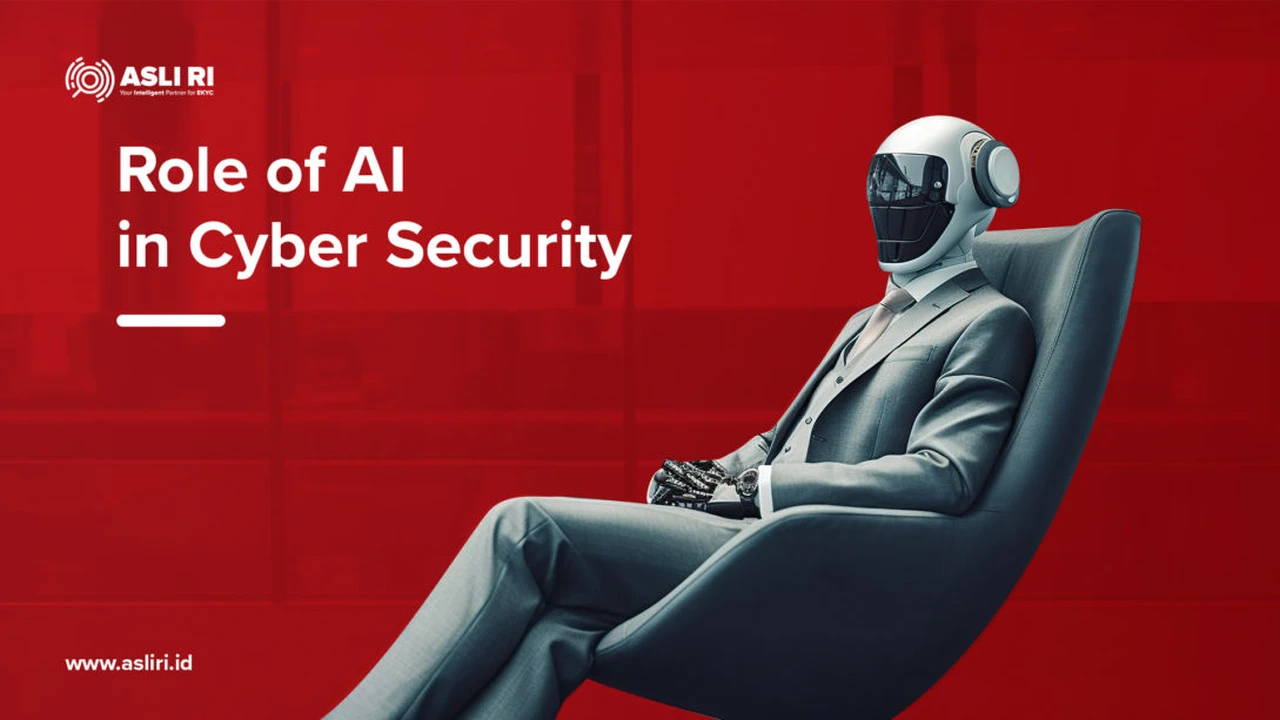
An in-depth look at how artificial intelligence is enhancing integrated security solutions with predictive analytics.
The Role of AI in Integrated Security Solutions
Hey there! Ever wondered how those super-smart security systems manage to keep everything so safe and sound? Well, a huge part of that magic comes from Artificial Intelligence, or AI. It's not just for sci-fi movies anymore; AI is revolutionizing how we approach security, especially when it comes to integrated solutions. We're talking about systems that don't just react to threats but can actually predict and prevent them. Pretty cool, right?
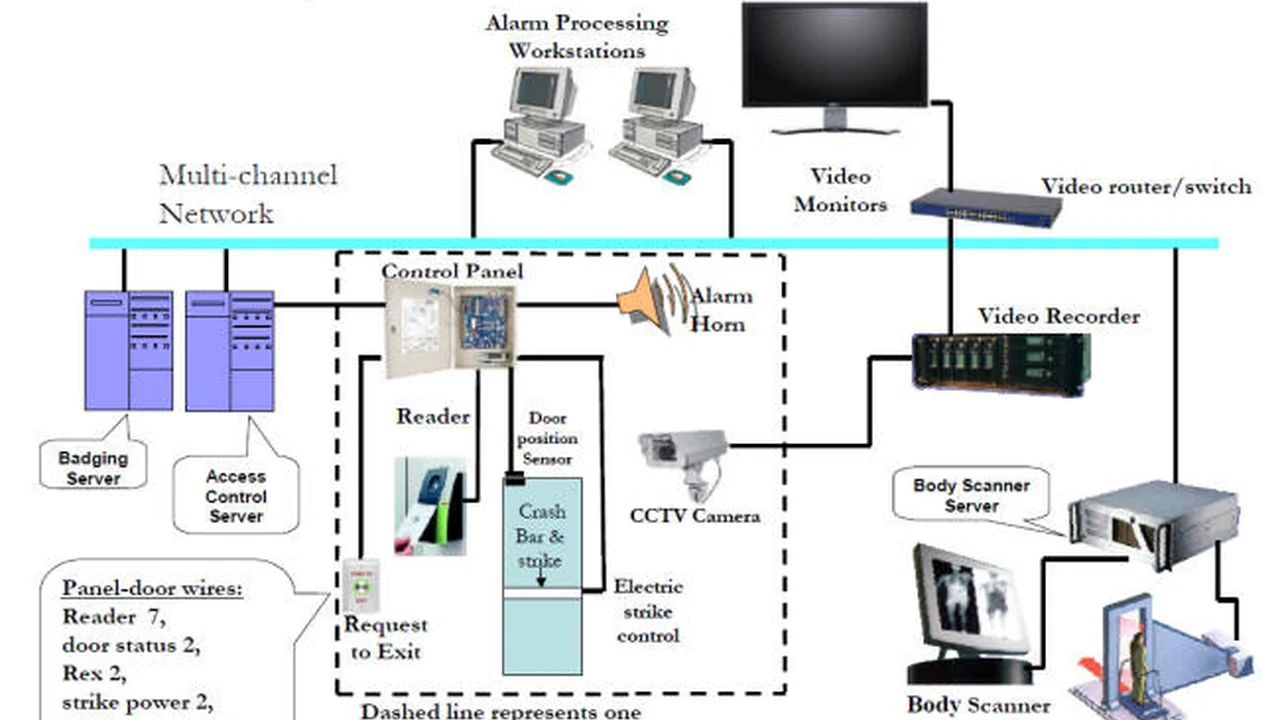
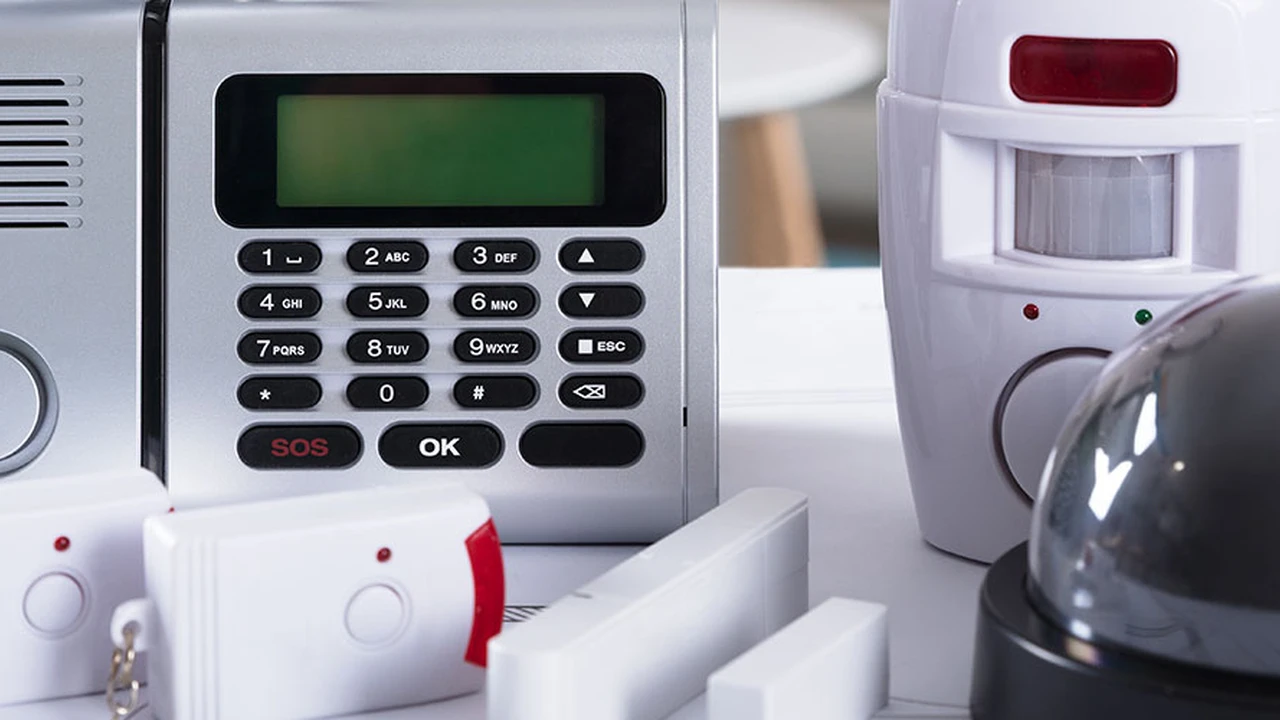
Integrated security solutions are all about bringing different security components together – think CCTV, access control, alarm systems, and even cybersecurity – to work as one cohesive unit. And when you throw AI into that mix, you get something truly powerful. AI helps these systems make sense of massive amounts of data, identify patterns that humans might miss, and even learn over time to become more effective. It's like having a super-intelligent security guard who never sleeps and gets smarter every single day.
In this deep dive, we're going to explore exactly how AI is enhancing integrated security solutions, focusing on predictive analytics, smart automation, and how it's making our spaces safer and more efficient. We'll also look at some real-world products and scenarios, so you can see how this tech is being put to use right now, whether you're securing a small business, a large enterprise, or even a smart city.
Understanding AI in Security Systems: Beyond Basic Automation
When we talk about AI in security, we're not just talking about simple motion detectors that trigger an alarm. That's basic automation. AI takes it to a whole new level. It involves machine learning, deep learning, and complex algorithms that allow systems to analyze data, learn from it, and make intelligent decisions. Think of it as the brain behind the brawn of your security setup.
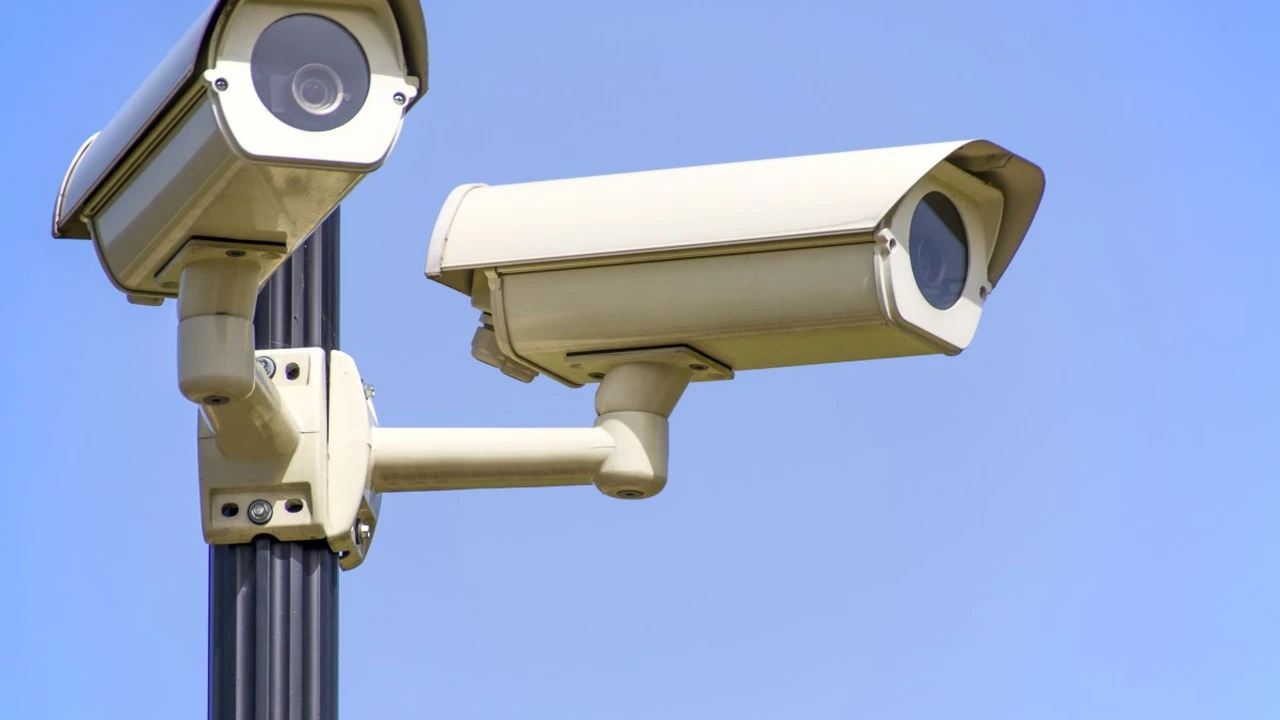
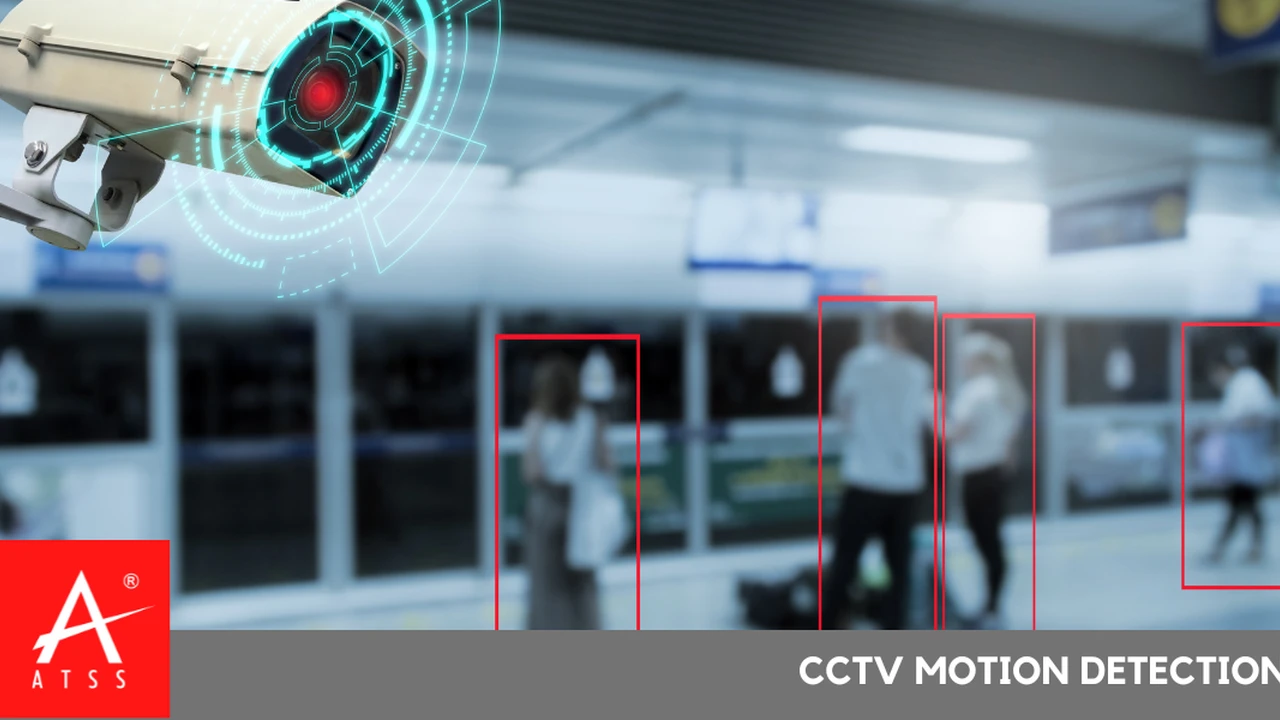
For instance, a traditional CCTV system might record everything, and you'd have to manually review hours of footage to find something suspicious. With AI, that same CCTV system can be trained to recognize specific behaviors, objects, or even faces. It can flag anomalies, alert you to potential threats in real-time, and even categorize events for easier review. This saves an incredible amount of time and makes your security much more proactive.
AI also helps in reducing false positives. How many times has a tree branch swaying in the wind or a stray animal triggered an alarm? AI-powered systems can differentiate between these harmless events and actual threats, significantly cutting down on unnecessary alerts and allowing security personnel to focus on what truly matters.
Predictive Analytics in Integrated Security: Anticipating Threats
One of the most exciting applications of AI in integrated security is predictive analytics. This is where AI doesn't just react to events but actually tries to predict them before they happen. How does it do this? By analyzing historical data, current trends, and various environmental factors to identify potential risks.
Imagine a system that analyzes past break-in attempts, weather patterns, local crime statistics, and even social media chatter. It can then identify high-risk times or areas and recommend proactive measures, like increasing patrols or deploying additional surveillance. This isn't just about preventing crime; it's about creating a security posture that is constantly adapting and evolving.
For example, in a large corporate campus, AI can analyze access control data to identify unusual entry patterns, such as someone trying to access a restricted area multiple times outside of their usual hours. It can then cross-reference this with video surveillance to confirm if the activity is suspicious and alert security. This proactive approach can prevent unauthorized access or even internal theft before it escalates.
Real-world Predictive Analytics Products and Scenarios
Let's look at some specific examples of how predictive analytics is being used:
- Verkada Command Platform: Verkada offers an integrated security platform that leverages AI for predictive analytics. Their cameras use computer vision to detect unusual activity, like loitering or unauthorized vehicle presence. The platform can then analyze these patterns over time to predict potential hotspots for criminal activity. For instance, if a certain area consistently sees loitering after hours, the system can flag it for increased attention. The pricing for Verkada is subscription-based, often starting from a few hundred dollars per camera per year, plus hardware costs which can range from $500 to $2000+ per camera depending on the model and features.
- BriefCam Video Analytics: BriefCam specializes in video content analytics, turning raw video footage into actionable intelligence. Their platform can rapidly search and filter video based on objects, colors, sizes, and even behaviors. While not strictly 'predictive' in the sense of foretelling the future, it allows security teams to quickly identify patterns from past events, which can then inform predictive strategies. For example, if a series of thefts occurred with individuals wearing specific clothing, BriefCam can quickly identify similar individuals in other footage. BriefCam's pricing is typically enterprise-level, requiring custom quotes based on the scale of deployment and features needed.
- Genetec Security Center with Analytics: Genetec's Security Center is a unified security platform that integrates video surveillance, access control, and license plate recognition. Their analytics modules, powered by AI, can identify trends in access attempts, vehicle movements, and crowd density. By analyzing these trends, the system can predict potential bottlenecks or security vulnerabilities. For example, if a specific entry point consistently experiences a high number of failed access attempts during certain hours, the system can suggest reinforcing security at that location. Genetec's pricing is also enterprise-focused, with licenses and hardware costs varying significantly based on the system's complexity and size.
Smart Automation and Response: AI Taking Action
Beyond just predicting threats, AI also enables smart automation and response within integrated security systems. This means the system can automatically take certain actions based on the intelligence it gathers, often without human intervention, or at least significantly streamlining human response.
Think about a scenario where an AI-powered camera detects an intruder in a restricted area after hours. Instead of just sending an alert, the integrated system can automatically:
- Lock down all nearby doors.
- Activate additional lighting in the area.
- Trigger an audible warning through loudspeakers.
- Notify security personnel with a live video feed and precise location data.
- Even dispatch a drone for aerial surveillance if integrated.
This level of automated response is incredibly powerful, as it can deter threats, contain situations, and provide critical information to human responders much faster than traditional systems.
Examples of Smart Automation in Action
- Avigilon Unity Video with AI Analytics: Avigilon's Unity Video platform incorporates advanced AI analytics directly into their cameras. These cameras can detect unusual motion, classify objects (person, vehicle), and even identify specific behaviors like a person leaving a package unattended. When such an event occurs, the system can automatically trigger pre-defined actions, such as sending an alert to security, initiating a recording, or even activating a public address system to issue a warning. Avigilon's solutions are typically premium, with camera costs ranging from $800 to $3000+ and software licenses based on camera count and features.
- Honeywell Pro-Watch Integrated Security Suite: Honeywell's Pro-Watch is a comprehensive security management system that integrates access control, video surveillance, and intrusion detection. With AI modules, it can automate responses to various security events. For instance, if an access card is used at an unusual time or location, the system can automatically lock the door, trigger an alarm, and display the cardholder's image on a security monitor for verification. Pricing for Pro-Watch is highly customized for enterprise deployments, often involving significant upfront costs for software, hardware, and installation.
- Axis Communications with ACAP (Axis Camera Application Platform): Axis cameras are known for their open platform, allowing third-party AI applications to run directly on the camera. This enables edge analytics, where AI processing happens right at the source. For example, an AI app could detect a person falling in a healthcare facility and automatically alert staff, or identify a vehicle driving the wrong way in a parking garage and trigger an immediate warning. Axis cameras themselves range from $300 to $2000+, with ACAP applications often being separate purchases or subscriptions.
Enhanced Situational Awareness: AI for Better Decision Making
One of the biggest challenges in security is information overload. Security operators often face a wall of monitors, alerts, and data streams. AI helps cut through this noise by providing enhanced situational awareness, presenting critical information in an easily digestible format, and highlighting what truly needs attention.
AI-powered dashboards can consolidate data from various integrated systems, offering a holistic view of the security landscape. Instead of separate alerts from the access control system, the video system, and the alarm system, AI can correlate these events, providing a single, comprehensive incident report. This allows security personnel to make faster, more informed decisions.
Furthermore, AI can provide context. If an alarm goes off, the system can immediately pull up relevant video feeds, access logs for that area, and even information about individuals who might be present. This rich context is invaluable during a rapidly unfolding incident.
Products Boosting Situational Awareness with AI
- Milestone XProtect with Analytics Plugins: Milestone's XProtect is a leading Video Management Software (VMS) that integrates with a vast ecosystem of AI analytics plugins. These plugins can perform tasks like facial recognition, license plate recognition, object tracking, and crowd analysis. The AI processes the video data and presents actionable insights within the XProtect interface, giving operators a clear picture of events. For example, if a person on a watchlist enters a building, the system can immediately highlight their location on a map and provide their profile. Milestone XProtect has various editions, with pricing ranging from a few hundred dollars for small systems to tens of thousands for enterprise deployments, plus the cost of analytics plugins.
- Motorola Solutions CommandCentral Aware: While more geared towards public safety, CommandCentral Aware demonstrates how AI enhances situational awareness by integrating data from various sources – including video, sensors, and CAD (Computer-Aided Dispatch) systems. It uses AI to fuse this data and present a common operating picture to first responders, allowing them to understand complex situations quickly. This kind of integration is increasingly being adopted by large enterprises for their security operations centers. Motorola Solutions products are typically high-end, enterprise-grade solutions with custom pricing.
- Hanwha Vision Wisenet WAVE VMS with AI Cameras: Hanwha's Wisenet WAVE VMS, combined with their AI-powered cameras, offers excellent situational awareness. The cameras can perform AI analytics at the edge, detecting and classifying objects, and then sending metadata to the VMS. This allows operators to quickly search for specific events or objects across multiple cameras and receive intelligent alerts. For instance, if a vehicle is parked in a no-parking zone for an extended period, the AI camera detects it, and WAVE VMS highlights it on the map. Hanwha cameras range from $200 to $1500+, and Wisenet WAVE VMS has a per-channel licensing model, typically $100-$200 per camera channel.
AI in Access Control: Smarter Entry and Exit Management
Access control systems are fundamental to integrated security, and AI is making them much smarter and more secure. Beyond just swiping a card or entering a PIN, AI-powered access control can offer enhanced verification, frictionless entry, and intelligent threat detection.
Facial recognition, powered by AI, is becoming increasingly common for access control, offering a hands-free and highly secure method of entry. AI can also analyze access patterns to detect anomalies, such as an employee trying to enter a building at an unusual hour or using a card that has been reported lost or stolen. It can even integrate with video to verify the identity of the person using the access credential.
Furthermore, AI can help manage visitor access more efficiently, automating the check-in process and ensuring that only authorized individuals gain entry. This reduces the burden on security staff and improves the overall visitor experience.
AI-Enhanced Access Control Products
- Alcatraz AI Rock: The Alcatraz AI Rock is a cutting-edge facial authentication platform that replaces or augments traditional access control readers. It uses AI and 3D facial mapping to provide secure, frictionless access control, even detecting tailgating. It integrates with existing access control systems, making it easy to deploy. The Rock also provides valuable analytics on access patterns. Pricing for Alcatraz AI Rock is typically per-device, ranging from $2000 to $4000+ per unit, plus software subscriptions.
- HID Global with Biometric Solutions: HID Global, a leader in access control, offers various biometric solutions, including facial and fingerprint recognition, that leverage AI for accuracy and speed. Their systems can integrate with existing access control infrastructure to provide multi-factor authentication. For example, an employee might use their access card, and then the AI-powered system verifies their face for an extra layer of security. HID's biometric readers can range from $500 to $2000+, depending on the technology and features.
- Openpath Access Control: Openpath offers a cloud-based access control system that uses AI to enhance security and user experience. Their mobile credentials use patented 'Triple Unlock' technology, which leverages Bluetooth, Wi-Fi, and cellular signals for reliable and secure access. AI helps in optimizing this process and detecting unusual access attempts. Openpath also integrates with video surveillance for visual verification. Openpath's hardware (readers) typically cost $500-$1000+, with monthly software subscriptions based on the number of doors and users.
AI in Cybersecurity Integration: Protecting Digital Assets
Integrated security isn't just about physical threats; it's also about protecting digital assets. Cybersecurity is a critical component, and AI plays an increasingly vital role here. AI-powered cybersecurity solutions can detect sophisticated threats, analyze network traffic for anomalies, and respond to attacks much faster than human analysts.
In an integrated security solution, AI can correlate physical security events with cyber events. For example, if an unusual access attempt is detected at a server room, and simultaneously, there's suspicious activity on the network connected to those servers, AI can flag this as a highly critical, coordinated threat. This holistic view is crucial for protecting sensitive data and critical infrastructure.
AI also helps in threat intelligence, constantly learning about new attack vectors and vulnerabilities, and updating security protocols accordingly. This adaptive defense mechanism is essential in today's rapidly evolving cyber threat landscape.
Cybersecurity Products with AI Integration
- CrowdStrike Falcon Platform: CrowdStrike is a leader in endpoint protection, leveraging AI and machine learning to detect and prevent advanced cyber threats. Their Falcon platform uses behavioral analytics to identify malicious activity that traditional signature-based antivirus might miss. While primarily a cybersecurity solution, its integration into a broader security operations center (SOC) allows for correlation with physical security events. CrowdStrike's pricing is subscription-based, typically per endpoint, and can range from $50 to $150+ per endpoint per year for various modules.
- IBM QRadar Security Intelligence Platform: IBM QRadar is a Security Information and Event Management (SIEM) solution that uses AI to analyze security events from across an organization's IT infrastructure. It can correlate events from firewalls, intrusion detection systems, and even physical security systems (if integrated) to identify complex threats. QRadar's AI capabilities help in prioritizing alerts and providing context for faster incident response. IBM QRadar is an enterprise-level solution with pricing based on event per second (EPS) and flow per minute (FPM) metrics, often costing tens of thousands to hundreds of thousands of dollars annually.
- Darktrace Enterprise Immune System: Darktrace uses unsupervised machine learning to detect novel cyber threats. It builds a 'pattern of life' for every user and device on a network and then identifies subtle deviations that could indicate an attack. This AI-driven approach is excellent for detecting insider threats and zero-day attacks. Darktrace can be integrated into a broader security framework to provide a comprehensive view of both physical and cyber risks. Darktrace's pricing is typically subscription-based, depending on the size and complexity of the network being monitored.
Challenges and Considerations for AI in Security: What to Watch Out For
While AI offers incredible benefits for integrated security, it's not without its challenges. It's important to be aware of these to ensure a successful implementation.
One major consideration is data privacy and ethical concerns. AI systems often rely on vast amounts of data, including video footage and personal access logs. Ensuring this data is collected, stored, and used ethically and in compliance with regulations like GDPR or CCPA is paramount. Transparency about how AI is being used is also crucial.
Another challenge is the cost and complexity of implementation. AI-powered systems can be expensive to acquire and require specialized expertise to configure and maintain. Integrating different AI solutions from various vendors can also be complex, requiring careful planning and robust APIs.
Bias in AI algorithms is also a concern. If AI models are trained on biased data, they can perpetuate or even amplify those biases, leading to unfair or inaccurate outcomes. For example, facial recognition systems trained predominantly on certain demographics might perform poorly on others. Regular auditing and diverse training data are essential to mitigate this.
Finally, over-reliance on AI can be a pitfall. While AI is powerful, it's a tool. Human oversight and critical thinking remain indispensable. AI should augment human capabilities, not replace them entirely. Security personnel need to understand how AI works, interpret its outputs, and be prepared to intervene when necessary.
The Future is Now: AI as Your Security Co-Pilot
So, what's the takeaway here? AI isn't just a buzzword in the security industry; it's a transformative force. It's moving us from reactive security to proactive, predictive, and highly automated systems. By integrating AI into various security components – from video surveillance and access control to alarm systems and cybersecurity – we're building more resilient, intelligent, and effective defenses.
Whether you're looking to secure a small office, a sprawling campus, or even contribute to a smart city initiative, understanding the role of AI in integrated security solutions is key. It's about making smarter decisions, responding faster, and ultimately, creating safer environments for everyone. The future of security is here, and it's powered by AI, acting as your ultimate security co-pilot, always learning, always vigilant, and always one step ahead.
:max_bytes(150000):strip_icc()/277019-baked-pork-chops-with-cream-of-mushroom-soup-DDMFS-beauty-4x3-BG-7505-5762b731cf30447d9cbbbbbf387beafa.jpg)