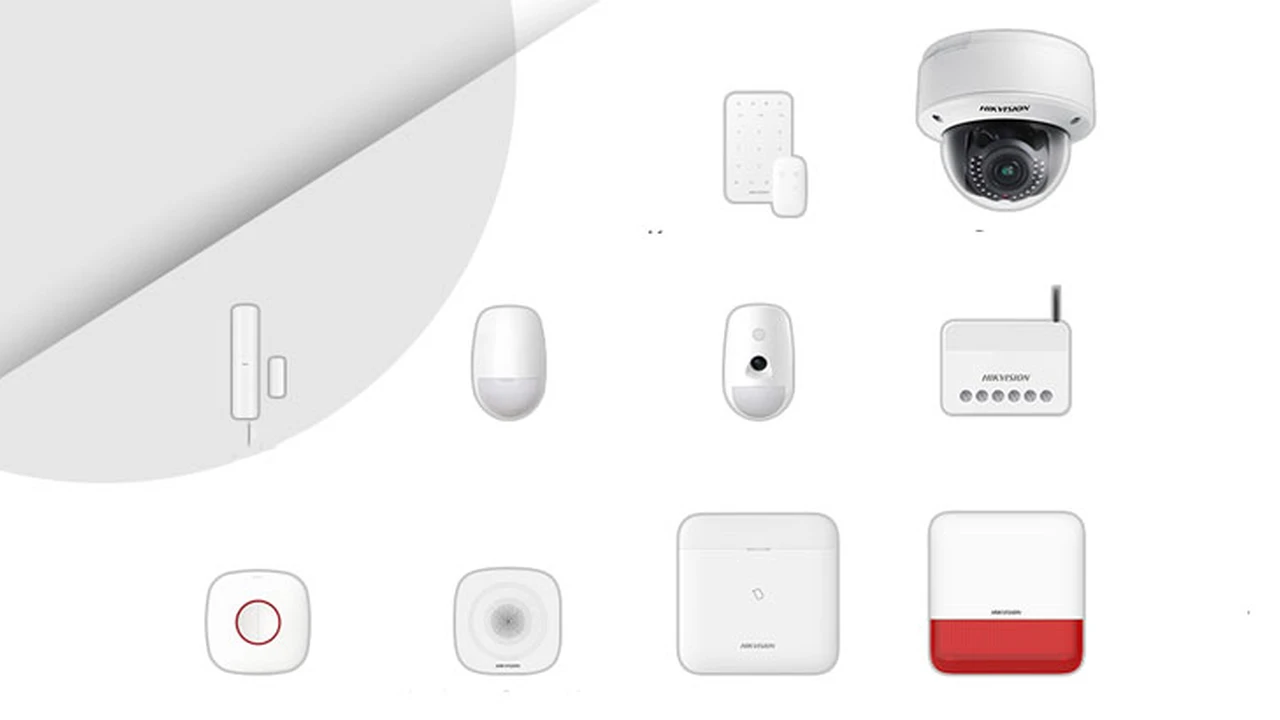
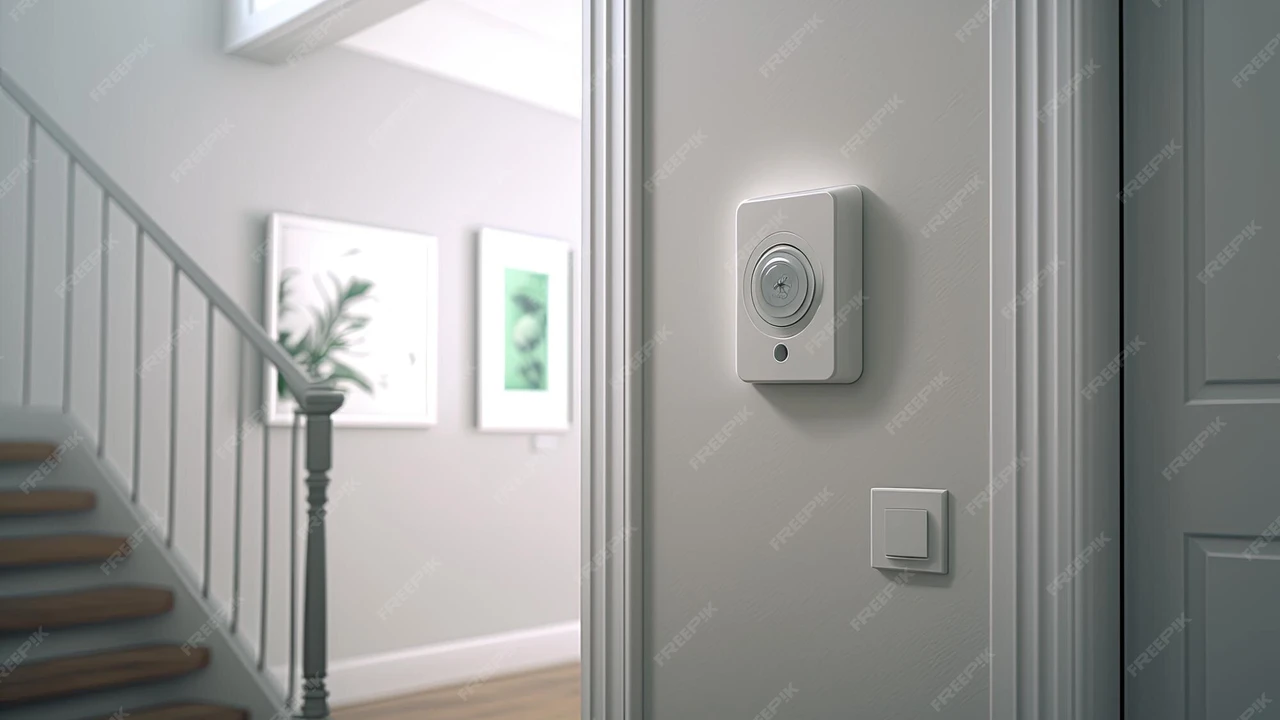
Top 3 Glass Break Sensors for Enhanced Security
Explore the best glass break sensors that provide an additional layer of security against forced entry.
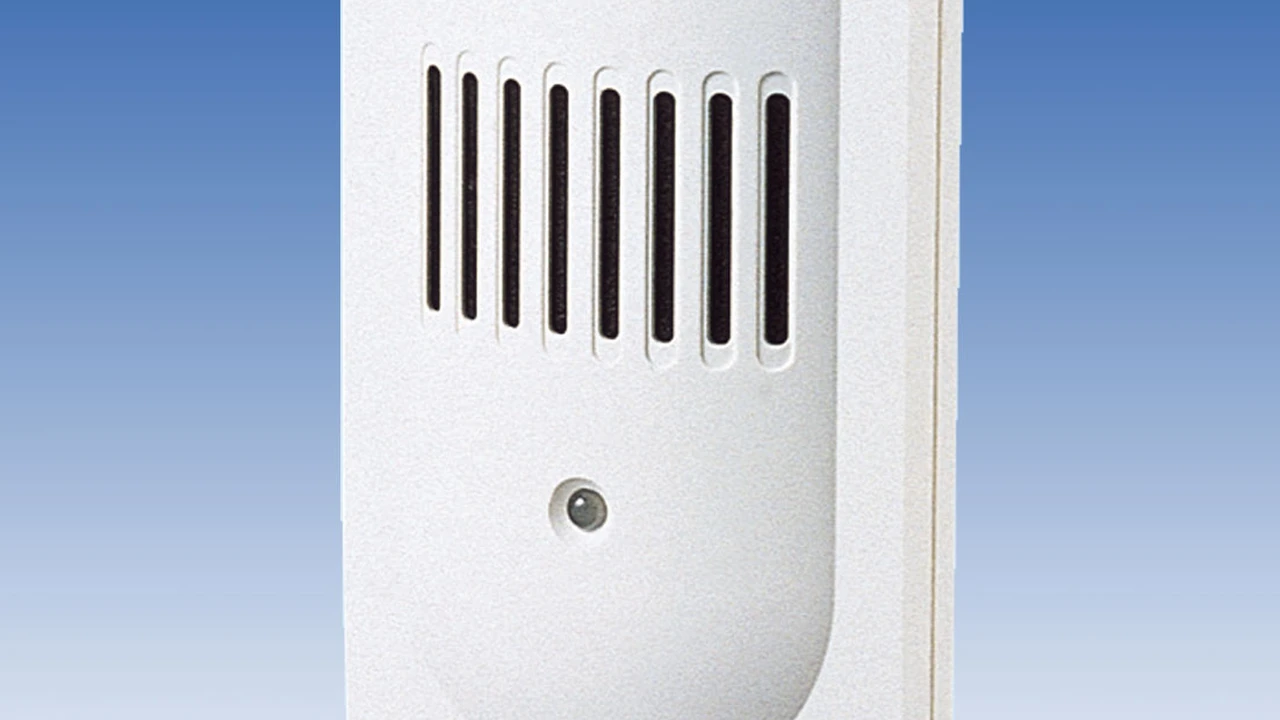
Explore the best glass break sensors that provide an additional layer of security against forced entry.
Top 3 Glass Break Sensors for Enhanced Security
Understanding Glass Break Sensors and Their Importance in Home Security
When we talk about home security, most people immediately think of door and window sensors, motion detectors, and security cameras. While these are undoubtedly crucial components, there's another unsung hero in the realm of intrusion detection: the glass break sensor. These clever devices are designed to detect the distinct sound frequencies associated with breaking glass, providing an early warning system against forced entry through windows or glass doors. Unlike contact sensors that only trigger when a door or window is opened, glass break sensors can detect an intruder even if they smash the glass without opening the frame. This makes them an invaluable addition to any comprehensive home security setup, especially for homes with numerous windows, sliding glass doors, or glass panels.
Imagine a scenario where an intruder attempts to gain access by simply shattering a window. A traditional contact sensor wouldn't trigger until the window is actually opened. A motion sensor might only activate once the intruder is already inside your home. A glass break sensor, however, would immediately pick up the sound of the breaking glass, sending an alert to your security system and potentially scaring off the intruder before they even step foot inside. This proactive approach to security can make all the difference in protecting your property and loved ones.
Glass break sensors come in two primary types: acoustic and shock. Acoustic sensors listen for the specific sound frequencies of breaking glass, often covering a wide area. Shock sensors, on the other hand, detect the vibrations caused by an impact on the glass. Many modern sensors combine both technologies for enhanced accuracy and reduced false alarms. They are typically wireless, making installation straightforward, and can be integrated seamlessly with most existing alarm systems. For homeowners looking to bolster their defenses against determined intruders, investing in high-quality glass break sensors is a smart move.
How Glass Break Sensors Work Detecting Forced Entry
Let's dive a bit deeper into the magic behind these devices. Glass break sensors are essentially sophisticated microphones or vibration detectors tuned to a very specific frequency range. When glass breaks, it produces a unique two-stage sound: a low-frequency thud as the object hits the glass, followed by a high-frequency shattering sound. Advanced acoustic glass break sensors are designed to recognize this distinct pattern. They don't just react to any loud noise; they analyze the sound signature to differentiate between a dropped plate, a barking dog, or actual breaking glass.
Most acoustic glass break sensors use a combination of technologies to achieve this accuracy. They often have a built-in microprocessor that analyzes the sound waves. Some even incorporate digital signal processing (DSP) to filter out common household noises and focus solely on the sounds of breaking glass. The range of these sensors can vary, but many can cover a room up to 20-25 feet away, making them suitable for protecting multiple windows within a single space. This wide coverage is a significant advantage, as you might only need one sensor to protect several windows in a living room or bedroom.
Shock sensors, while less common as standalone units for glass break detection, are often integrated into window contact sensors. These sensors detect the physical vibrations on the glass itself. If a window is struck with enough force to potentially break it, the sensor will trigger. While effective for direct impacts, they typically have a smaller detection area compared to acoustic sensors. The best glass break sensors often combine both acoustic and shock detection for maximum reliability, ensuring that whether the glass is hit or shattered, your system will be alerted.
Placement is key for optimal performance. Glass break sensors should be mounted on a wall or ceiling within the recommended range of the windows they are protecting, with a clear line of sight to the glass. Avoiding obstructions like heavy curtains or furniture can help ensure accurate detection. Many sensors also come with adjustable sensitivity settings, allowing you to fine-tune them to your specific environment and minimize false alarms.
Top 3 Glass Break Sensors for Home Security Reviews and Comparisons
Alright, let's get to the good stuff! Based on performance, reliability, ease of integration, and user reviews, here are our top three picks for glass break sensors that will significantly enhance your home's security:
1. Honeywell 5853 Wireless Glass Break Detector
Overview: The Honeywell 5853 is a highly respected and widely used wireless glass break detector, especially popular among professional installers and DIY enthusiasts alike. It's known for its robust performance and excellent false alarm immunity. This sensor is designed to detect the sound of breaking plate, tempered, laminated, and wired glass, making it versatile for various window types.
Key Features:
- FlexGuard Audio Discriminator: This proprietary technology analyzes both the low-frequency thump and the high-frequency shatter of breaking glass, significantly reducing false alarms.
- Adjustable Sensitivity: Allows users to fine-tune the detection range to suit the room size and minimize unwanted triggers.
- Test Mode: Features a built-in test mode for easy installation and verification of proper operation using a glass break simulator.
- Wireless Operation: Integrates seamlessly with Honeywell's 5800 series wireless receivers, making it compatible with many Honeywell and 2GIG security panels.
- Long Battery Life: Typically offers several years of battery life, reducing maintenance frequency.
Use Cases: Ideal for protecting rooms with multiple windows, sliding glass doors, or any area where glass is a primary point of entry. It's particularly effective in living rooms, dining rooms, and bedrooms. Its wide coverage area means you often only need one sensor per room.
Pros: Excellent false alarm immunity, reliable detection of various glass types, easy integration with compatible systems, long battery life, professional-grade performance.
Cons: Requires a compatible Honeywell or 2GIG wireless receiver/panel. Can be slightly more expensive than generic options.
Estimated Price: Around $60 - $90 USD, depending on the retailer and whether it's purchased individually or as part of a kit.
2. DSC LC-100GB Glassbreak Detector
Overview: The DSC LC-100GB is another top-tier glass break sensor, often praised for its reliability and advanced acoustic analysis. DSC (Digital Security Controls) is a well-known brand in the security industry, and this sensor lives up to their reputation for quality. It's a wired sensor, which might be a consideration for some, but offers rock-solid performance without battery concerns.
Key Features:
- Advanced Microprocessor-Based Acoustic Analysis: Utilizes sophisticated algorithms to accurately identify the sound of breaking glass while ignoring other noises.
- Full Audio and Shock Analysis: Combines both sound and vibration detection for enhanced accuracy and reduced false alarms.
- Adjustable Sensitivity: Allows for fine-tuning to match the specific environment and glass types.
- Test Mode: Simplifies installation and ensures optimal performance.
- Wired Connection: Provides a consistent and reliable connection to your alarm panel, eliminating battery replacement needs.
Use Cases: Best suited for new constructions or renovations where wiring can be easily concealed, or for homeowners who prefer the reliability of wired connections. Excellent for protecting large rooms, commercial spaces, or any area where maximum reliability is paramount. It's compatible with most wired alarm panels.
Pros: Extremely reliable, excellent false alarm immunity, no battery changes, robust build quality, compatible with a wide range of wired alarm systems.
Cons: Requires wiring, which can be more complex to install for DIYers in existing homes. May require professional installation.
Estimated Price: Around $40 - $70 USD, making it a cost-effective wired solution.
3. GE Security / Interlogix 5819 Wireless Glass Break Detector
Overview: The GE Security (now Interlogix, though often still referred to as GE) 5819 is a popular choice for those using GE/Interlogix Simon or Concord security panels. It's a wireless sensor known for its ease of installation and effective detection capabilities. While Interlogix has ceased operations, these sensors are still widely available and supported by existing systems.
Key Features:
- Pattern Recognition Technology: Designed to recognize the specific sound patterns of breaking glass, minimizing false alarms.
- Adjustable Sensitivity: Offers flexibility to adapt to different room acoustics and glass types.
- Test Mode: Facilitates quick and accurate installation.
- Wireless Operation: Integrates seamlessly with GE/Interlogix wireless security systems.
- Compact Design: Discreet and easy to mount on walls or ceilings.
Use Cases: Ideal for homes already equipped with a GE/Interlogix Simon XT/XTi/XTi-5 or Concord security panel. It's a straightforward addition to expand coverage to windows and glass doors in various rooms. Good for protecting areas like family rooms, sunrooms, or basements with windows.
Pros: Easy to install, reliable detection, good false alarm immunity, compatible with popular GE/Interlogix systems, relatively affordable.
Cons: Primarily compatible with GE/Interlogix systems, which might limit its appeal if you have a different brand of alarm panel. Availability might become an issue in the long term due to Interlogix's status.
Estimated Price: Around $50 - $80 USD, depending on the vendor and availability.
Integrating Glass Break Sensors with Your Existing Alarm System Maximizing Security
So, you've picked out your ideal glass break sensors. Now what? Integrating them into your existing home alarm system is usually a straightforward process, especially with wireless models. Most modern security panels support a variety of wireless sensors, and adding a glass break detector typically involves a few steps:
1. Compatibility Check: First and foremost, ensure the glass break sensor you choose is compatible with your existing alarm panel. For instance, a Honeywell 5853 will work with Honeywell and 2GIG panels, while a GE 5819 is for GE/Interlogix systems. If you have a different brand, you'll need to find a sensor that uses the same wireless frequency or protocol, or opt for a universal wired sensor if your panel supports wired zones.
2. Enrollment/Pairing: For wireless sensors, you'll typically put your alarm panel into a 'learn' or 'enrollment' mode. Then, you'll activate the sensor (often by pressing a tamper switch or inserting the battery) to send a signal to the panel. The panel will then recognize the sensor and assign it a zone. You'll usually be prompted to name the zone (e.g., 'Living Room Glass Break') and define its type (e.g., 'perimeter' or '24-hour').
3. Placement: As mentioned earlier, strategic placement is crucial. Mount the sensor on a wall or ceiling, ensuring it has a clear line of sight to all the windows or glass doors it's meant to protect. Avoid placing it directly opposite a window that faces a busy street or noisy area, as this could increase the risk of false alarms. Also, consider the acoustics of the room; soft furnishings can absorb sound, potentially reducing the sensor's effective range.
4. Testing: Once installed, always test the sensor thoroughly. Most glass break sensors come with a test mode and often require a glass break simulator (a small device that mimics the sound of breaking glass) to verify proper operation. Walk around the room, activate the simulator near each window, and ensure the sensor triggers the alarm panel. Adjust sensitivity settings if necessary to find the sweet spot between reliable detection and false alarm immunity.
5. Power Source: For wireless sensors, keep an eye on battery life. Your alarm panel will usually alert you when a sensor's battery is running low. Wired sensors, of course, draw power directly from the panel, so no battery worries there.
By carefully integrating glass break sensors, you create a multi-layered defense. If an intruder tries to smash a window, the glass break sensor triggers immediately. If they manage to open the window, the contact sensor triggers. If they get inside, the motion detector catches them. This layered approach significantly increases your home's security posture and provides maximum peace of mind.
Preventing False Alarms and Optimizing Glass Break Sensor Performance
While glass break sensors are incredibly effective, like any security device, they can sometimes be prone to false alarms if not properly installed or configured. The good news is that modern sensors are designed with advanced algorithms to minimize this, and there are several steps you can take to optimize their performance and prevent unwanted triggers.
1. Proper Placement is Paramount: This can't be stressed enough. Avoid placing sensors too close to speakers, air vents, or noisy appliances that might produce sounds similar to breaking glass. Also, consider the acoustics of the room. Hard surfaces like tile floors and bare walls can reflect sound, potentially extending the sensor's range, while heavy curtains and carpets can absorb it. Aim for a central location that offers a clear line of sight to all protected glass surfaces.
2. Adjust Sensitivity Settings: Most glass break sensors come with adjustable sensitivity levels. If you're experiencing false alarms, try lowering the sensitivity. If the sensor isn't reliably detecting actual glass breaks, you might need to increase it. This often requires a bit of trial and error, using a glass break simulator to test different settings.
3. Understand the Environment: Consider external factors. Is there a construction site nearby? Do you live on a busy street with loud traffic? Are there pets that might create sudden loud noises? While advanced sensors are good at filtering, extreme external noise can sometimes be an issue. If possible, choose a sensor with advanced acoustic discrimination technology.
4. Use a Glass Break Simulator: This is your best friend during installation and troubleshooting. A simulator produces the exact sound frequencies that a real glass break would, allowing you to accurately test the sensor's range and sensitivity without actually breaking any glass. Don't rely on clapping or shouting; these sounds don't mimic a glass break accurately.
5. Avoid Obstructions: Make sure there are no heavy curtains, blinds, or large pieces of furniture directly in front of the sensor that could block the sound waves from reaching it. A clear path to the protected glass is essential for optimal detection.
6. Regular Maintenance: For wireless sensors, regularly check and replace batteries as recommended by the manufacturer or when your alarm panel indicates a low battery. A weak battery can sometimes lead to erratic performance.
7. Consider Glass Type: While most modern sensors can detect various glass types (plate, tempered, laminated), some older or simpler models might be less effective with certain types. If you have specialized glass, double-check the sensor's specifications or consult with a security professional.
By following these tips, you can ensure your glass break sensors are working at their peak performance, providing reliable detection of forced entry attempts through glass, and minimizing the frustration of false alarms. They are a powerful tool in your home security arsenal, and with a little attention to detail, they'll serve you well.
The Future of Glass Break Detection Smart Features and AI Integration
The world of home security is constantly evolving, and glass break sensors are no exception. We're seeing exciting advancements that promise even greater accuracy, smarter integration, and enhanced user experience. The future of glass break detection is leaning heavily into smart features and artificial intelligence (AI).
1. AI-Powered Acoustic Analysis: Current sensors use sophisticated algorithms, but AI takes this to the next level. Future glass break sensors will likely incorporate machine learning models trained on vast datasets of various sounds, including real glass breaks and a multitude of false alarm sources. This will allow them to distinguish between genuine threats and everyday noises with unprecedented accuracy, virtually eliminating false alarms.
2. Enhanced Integration with Smart Home Ecosystems: We can expect even deeper integration with popular smart home platforms like Amazon Alexa, Google Home, and Apple HomeKit. This means not only receiving alerts on your smartphone but also triggering other smart home devices. Imagine a glass break sensor detecting an intrusion, immediately turning on all the lights in the house, locking smart doors, and even activating a smart siren, all automatically.
3. Multi-Sensor Fusion: Future security systems will likely rely more on 'sensor fusion,' where data from multiple types of sensors (glass break, motion, contact, cameras) is combined and analyzed by AI. If a glass break sensor triggers, the system might automatically cross-reference it with a nearby motion sensor or a security camera's video feed to confirm the event before escalating the alert. This multi-verification process will further reduce false alarms and provide more reliable threat assessment.
4. Self-Learning and Adaptive Sensitivity: Imagine a sensor that learns your home's unique acoustic environment over time. It could adapt its sensitivity based on your daily routines, external noise levels, and even weather conditions, optimizing its performance without manual adjustments. This self-learning capability would make the sensors even more user-friendly and effective.
5. Miniaturization and Discreet Design: As technology advances, glass break sensors will likely become even smaller and more discreet, blending seamlessly into your home decor. We might see them integrated directly into window frames or even smart glass itself, making them virtually invisible.
6. Predictive Analytics: While still in its early stages for individual sensors, the broader trend in security is towards predictive analytics. By analyzing patterns of attempted intrusions, environmental factors, and sensor data, future systems might be able to predict potential vulnerabilities or even deter threats before they occur. For glass break sensors, this could mean identifying specific windows that are more frequently targeted and suggesting additional reinforcement.
These advancements promise a future where home security is not just reactive but proactive, intelligent, and seamlessly integrated into our daily lives. Glass break sensors, with their crucial role in perimeter defense, will undoubtedly be at the forefront of these innovations, offering even greater peace of mind to homeowners.
Choosing the Right Glass Break Sensor for Your Home Security Needs
Deciding on the best glass break sensor for your home involves considering several factors to ensure it meets your specific security needs and integrates well with your existing setup. It's not a one-size-fits-all situation, so let's break down what you should think about.
1. Compatibility with Your Existing System: This is the most critical factor. If you already have a security system (e.g., Honeywell, DSC, GE/Interlogix, Ring, SimpliSafe), you'll want to choose a glass break sensor that is compatible with your alarm panel. Most major security brands offer their own line of sensors designed to work seamlessly with their systems. Check your panel's model number and consult its manual or the manufacturer's website for compatible accessories. Universal wired sensors can be an option if your panel has available wired zones, but wireless offers more flexibility.
2. Wired vs. Wireless:
- Wireless Sensors: Offer easy installation, flexibility in placement, and are ideal for existing homes where running wires is difficult. They are battery-powered, so you'll need to replace batteries periodically. Most modern systems are wireless.
- Wired Sensors: Provide a highly reliable, consistent connection and don't require battery changes. They are best suited for new constructions or major renovations where wiring can be planned and concealed. Installation can be more complex for DIYers.
3. Detection Technology (Acoustic vs. Shock vs. Combined):
- Acoustic Sensors: Listen for the sound of breaking glass. They typically cover a wider area (a whole room) and are good for protecting multiple windows.
- Shock Sensors: Detect vibrations on the glass itself. Often integrated into contact sensors. Good for direct impact detection but with a smaller coverage area.
- Combined Technology: Many high-end sensors use both acoustic and shock analysis for superior accuracy and false alarm immunity. This is generally the best option if available.
4. False Alarm Immunity: Look for sensors with advanced signal processing and pattern recognition technology. Features like 'FlexGuard' or 'Microprocessor-Based Acoustic Analysis' indicate a sensor's ability to differentiate between actual glass breaks and common household noises. Reading user reviews specifically about false alarms can be very insightful.
5. Coverage Area and Sensitivity: Consider the size of the rooms you want to protect. Most acoustic sensors have a range of 20-25 feet. If you have very large rooms or an open-plan layout, you might need more than one sensor or a sensor with a wider specified range. Adjustable sensitivity is a valuable feature for fine-tuning performance.
6. Glass Types Detected: Ensure the sensor is capable of detecting the types of glass in your windows and doors (e.g., plate, tempered, laminated, wired). Most modern sensors handle common types, but it's worth checking if you have specialized glass.
7. Battery Life (for Wireless): A longer battery life means less frequent maintenance. Most quality wireless sensors offer several years of battery life. Your alarm panel should also provide low battery alerts.
8. Price and Budget: Glass break sensors vary in price. While it's tempting to go for the cheapest option, remember that reliability and false alarm immunity are crucial for security devices. Investing a bit more in a reputable brand often pays off in peace of mind.
9. Ease of Installation and Testing: If you're a DIYer, look for sensors with clear instructions, easy enrollment processes, and a built-in test mode. A glass break simulator is a highly recommended accessory for accurate testing.
By carefully evaluating these factors, you can confidently select the right glass break sensors to provide that essential extra layer of protection for your home, deterring intruders and giving you an early warning when it matters most. Don't underestimate the power of these small but mighty devices in securing your property.
:max_bytes(150000):strip_icc()/277019-baked-pork-chops-with-cream-of-mushroom-soup-DDMFS-beauty-4x3-BG-7505-5762b731cf30447d9cbbbbbf387beafa.jpg)