Top 5 Home Alarm Systems for Comprehensive Protection
Discover the best home alarm systems offering comprehensive protection against intruders and emergencies.
Discover the best home alarm systems offering comprehensive protection against intruders and emergencies.
Top 5 Home Alarm Systems for Comprehensive Protection
Understanding Home Alarm Systems What You Need to Know
Alright, let's talk about keeping your home safe. In today's world, a good home alarm system isn't just a luxury; for many, it's a necessity. But with so many options out there, how do you even begin to choose? We're going to break down what makes a home alarm system truly comprehensive, looking beyond just loud sirens to cover everything from intrusion detection to environmental monitoring. We'll dive into the core components, the different types of monitoring available, and why investing in a robust system is a smart move for peace of mind, whether you're in a bustling American city or a quiet Southeast Asian suburb.
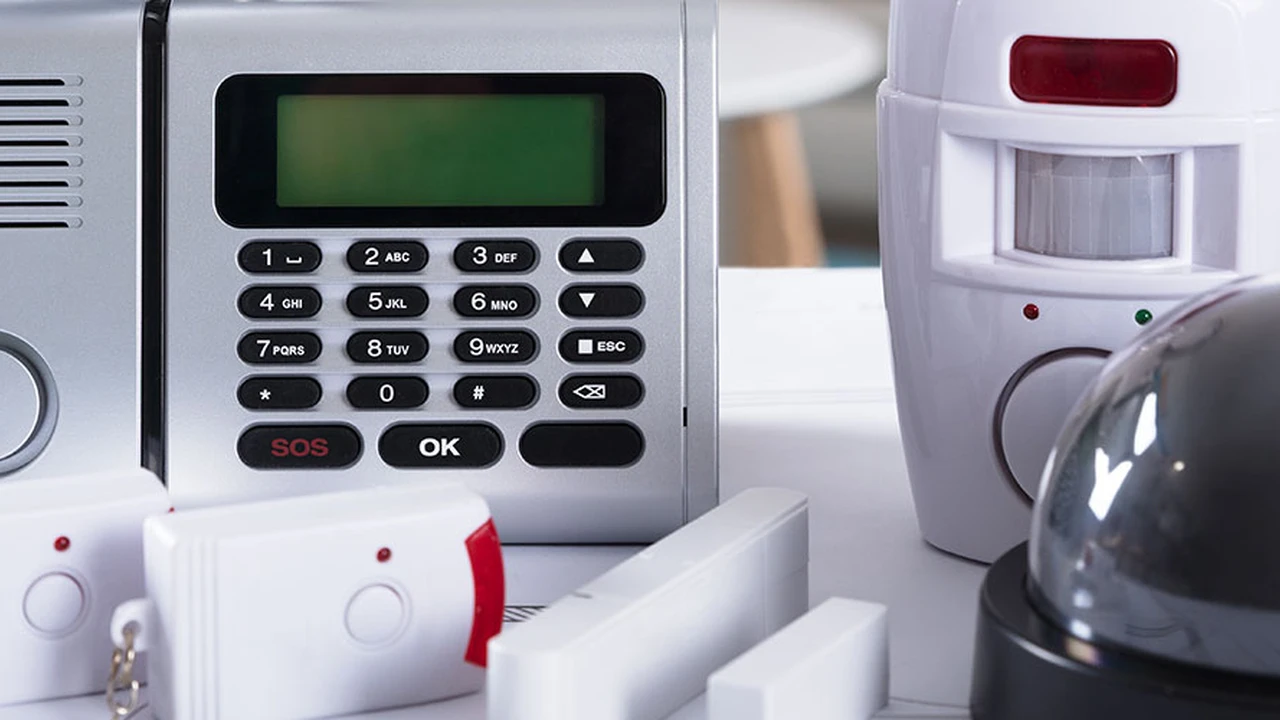
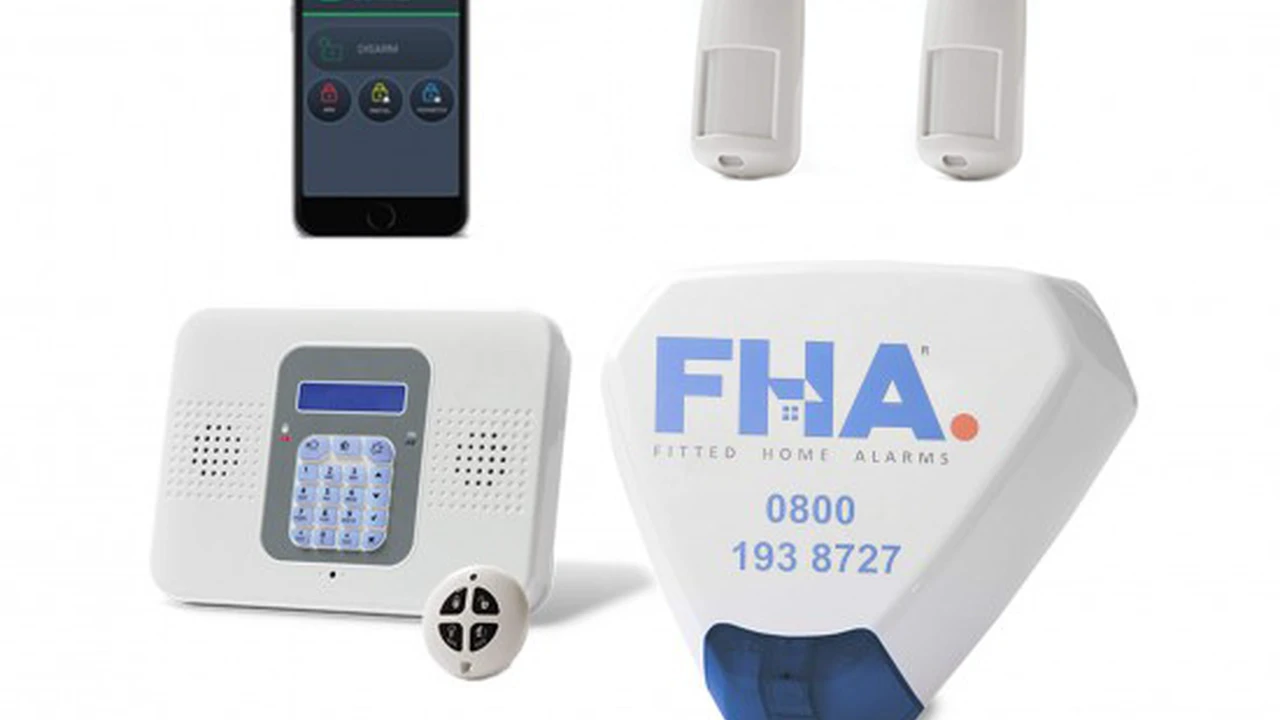
A comprehensive home alarm system typically includes several key elements. At its heart, you'll find a control panel, which is the brain of the operation. This panel communicates with various sensors placed around your home. These sensors can detect a range of threats: door and window sensors for unauthorized entry, motion sensors for movement inside, and glass break sensors for forced access. Beyond intrusion, modern systems often integrate smoke and carbon monoxide detectors, flood sensors, and even temperature monitors to protect against environmental hazards. The goal is a layered defense that covers all bases, providing alerts not just when someone tries to get in, but also when other dangers arise. We'll explore how these components work together to create a truly secure environment.
Key Features of the Best Home Alarm Systems for Security
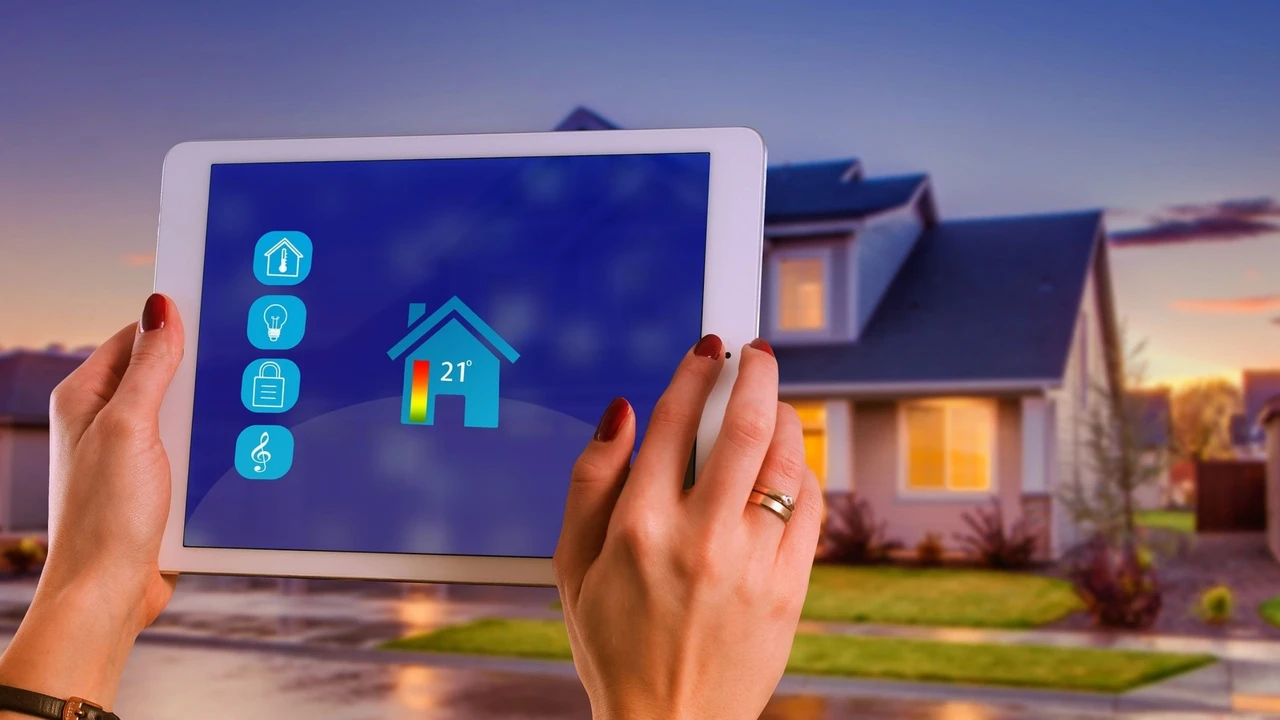
When we talk about the 'best' home alarm systems, we're looking for a blend of reliability, advanced technology, and user-friendliness. What features should you prioritize? First up, reliable connectivity. Whether it's cellular, Wi-Fi, or a combination, your system needs to stay connected, even if the power goes out or the internet drops. Next, smart home integration is a huge plus. Imagine your alarm system working seamlessly with your smart lights, locks, and thermostats. This not only adds convenience but also enhances security, allowing for automated responses to threats. Think about lights flashing when an alarm triggers, or doors locking automatically. We'll also consider the importance of professional monitoring versus self-monitoring, and how each option impacts your response time and overall security posture. And of course, ease of installation and management is crucial, especially for DIY enthusiasts.
Another critical feature is advanced sensor technology. Modern systems go beyond simple open/close sensors. We're talking about motion sensors that can differentiate between pets and intruders, reducing false alarms. Glass break sensors that listen for specific frequencies of breaking glass. And environmental sensors that can detect subtle changes in air quality or water levels before they become major problems. The best systems also offer remote access and control via smartphone apps, allowing you to arm/disarm your system, view live camera feeds, and receive instant alerts no matter where you are. This level of control is invaluable for busy individuals and families. We'll also touch on the importance of battery backup and tamper-proof designs to ensure your system remains operational even when faced with sophisticated attempts to disable it.
Top 5 Home Alarm Systems Recommended for 2024
Alright, let's get to the good stuff – our top picks for comprehensive home alarm systems in 2024. We've scoured the market, considering factors like reliability, features, customer service, and overall value. These systems represent the cream of the crop, offering robust protection for a variety of needs and budgets. We'll highlight their unique selling points, ideal use cases, and what makes them stand out from the competition. Keep in mind that prices can vary based on packages and promotions, so always check the latest deals.
1. SimpliSafe Home Security System The DIY Champion
Product Overview: SimpliSafe has long been a favorite for its straightforward, DIY-friendly approach. It's designed for easy installation, making it perfect for renters or homeowners who prefer not to deal with complex wiring. The system is modular, allowing you to customize it with a wide range of sensors, including entry sensors, motion sensors, glass break sensors, smoke detectors, and even water sensors. Their professional monitoring plans are affordable and contract-free, which is a huge plus. SimpliSafe also offers a 24/7 professional monitoring service that dispatches emergency services when an alarm is triggered.
Key Features:
- Easy DIY installation, no tools required for most components.
- Optional 24/7 professional monitoring with no long-term contracts.
- Wide range of sensors available, including environmental detectors.
- Cellular backup ensures connectivity even if Wi-Fi is down.
- Integration with smart home platforms like Alexa and Google Assistant.
- Optional SimpliCam indoor camera and outdoor camera for visual verification.
Ideal Use Case: Perfect for apartments, smaller homes, or anyone looking for a flexible, affordable, and easy-to-install security solution without sacrificing professional monitoring capabilities. Great for those who want to avoid long-term contracts.
Estimated Price Range: Starter kits typically range from $200-$500, with professional monitoring plans starting around $18-$30 per month.
2. Ring Alarm Pro The Smart Home Ecosystem Integrator
Product Overview: Ring, a subsidiary of Amazon, has built a strong reputation for its video doorbells and security cameras. The Ring Alarm Pro takes this a step further by integrating a comprehensive alarm system with a built-in Eero Wi-Fi 6 router. This means your security system is also the heart of your home network, offering enhanced reliability and speed. It's a fantastic option for those already invested in the Ring ecosystem or looking for a seamless smart home experience. The professional monitoring plan, Ring Protect Pro, includes cellular backup, 24/7 monitoring, and even internet backup for your home network.
Key Features:
- Integrated Eero Wi-Fi 6 router for a robust home network and security.
- Seamless integration with Ring cameras, video doorbells, and smart lighting.
- Optional 24/7 professional monitoring with cellular and internet backup.
- Wide array of sensors: contact, motion, smoke/CO listener, flood/freeze.
- Alexa integration for voice control and smart home routines.
- Local storage for video recordings with a Ring Protect Pro subscription.
Ideal Use Case: Best for homeowners who want a tightly integrated smart home security system, especially those already using Ring products. Excellent for larger homes needing reliable Wi-Fi coverage and robust security.
Estimated Price Range: Starter kits begin around $250-$400, with the Ring Protect Pro plan costing around $20-$30 per month.
3. Abode Security System The Customizable and Smart Home Powerhouse
Product Overview: Abode stands out for its exceptional customization options and deep smart home integrations. It's a favorite among tech-savvy users who want granular control over their security system and desire compatibility with a wide range of third-party smart devices. Abode offers both DIY installation and professional installation options, catering to different preferences. Their systems support Z-Wave, Zigbee, and HomeKit, making it incredibly versatile for building a truly smart and secure home. Abode also offers both self-monitoring and professional monitoring plans, giving users flexibility.
Key Features:
- Highly customizable with support for Z-Wave, Zigbee, and HomeKit.
- Choice of self-monitoring or 24/7 professional monitoring.
- Wide range of proprietary and third-party sensors and devices.
- CUE automation engine for advanced smart home routines.
- Optional cellular backup and battery backup for continuous operation.
- Variety of cameras, including indoor, outdoor, and doorbell cameras.
Ideal Use Case: Perfect for smart home enthusiasts and users who want maximum flexibility and control over their security system. Great for those who want to integrate a diverse range of smart devices.
Estimated Price Range: Starter kits typically range from $200-$600, with professional monitoring plans starting around $20-$35 per month.
4. Vivint Smart Home Security The Premium Professionally Installed Option
Product Overview: Vivint offers a premium, professionally installed, and monitored security solution. If you're looking for a hands-off approach with top-tier equipment and comprehensive service, Vivint is a strong contender. Their systems are known for their sleek design, advanced features, and seamless integration with a full suite of smart home devices, including smart locks, thermostats, and garage door controllers. Vivint's professional installation ensures everything is set up correctly, and their 24/7 monitoring is highly responsive. While it comes with a higher price tag and requires a contract, the quality of service and equipment is often worth it for those who prioritize convenience and robust protection.
Key Features:
- Professional installation and 24/7 professional monitoring.
- High-quality, aesthetically pleasing equipment.
- Deep integration with a wide range of smart home devices.
- Advanced features like smart deterrence (e.g., outdoor cameras with light and sound deterrents).
- Dedicated customer support and technical assistance.
- Cellular and battery backup for uninterrupted service.
Ideal Use Case: Best for homeowners who prefer professional installation and monitoring, desire a premium smart home experience, and are willing to commit to a contract for top-tier service. Excellent for larger homes or those who want a completely managed solution.
Estimated Price Range: Equipment costs can vary significantly, often requiring financing, with monthly monitoring plans typically ranging from $40-$70.
5. ADT Command and Control The Established Industry Leader
Product Overview: ADT is a household name in home security, with decades of experience. Their ADT Command and Control system represents their modern offering, combining traditional reliability with smart home capabilities. ADT provides professional installation and 24/7 monitoring, backed by a vast network of monitoring centers. While their systems might not always be as cutting-edge in terms of smart home integration as some newer players, their reputation for reliability and rapid response is unparalleled. They offer a wide range of sensors and devices, and their service is known for its consistency. ADT is a solid choice for those who value a long-standing, trusted brand with proven professional monitoring.
Key Features:
- Professional installation and 24/7 professional monitoring from a trusted brand.
- Extensive network of monitoring centers for rapid response.
- Wide range of security and environmental sensors.
- Integration with smart home devices via Z-Wave.
- Cellular backup for reliable communication.
- Customer service and support from an established company.
Ideal Use Case: Ideal for homeowners who prioritize a well-established brand, professional installation, and highly reliable 24/7 monitoring. Good for those who want a traditional security system with modern smart home capabilities.
Estimated Price Range: Equipment costs vary, often requiring financing or upfront payment, with monthly monitoring plans typically ranging from $35-$60.
Comparing Home Alarm Systems Features and Pricing
Choosing the right home alarm system isn't just about picking one from a list; it's about finding the perfect fit for your specific needs, budget, and lifestyle. Let's break down how these top contenders stack up against each other across various crucial aspects. We'll look at installation methods, monitoring options, smart home compatibility, and of course, the all-important pricing structure. Understanding these differences will empower you to make an informed decision that truly protects your home and family.
Installation and Setup DIY vs Professional Home Security
When it comes to getting your system up and running, you generally have two paths: DIY or professional installation. SimpliSafe, Ring Alarm Pro, and Abode are champions of the DIY approach. This means you receive the equipment, follow simple instructions, and set it up yourself. It's often quicker, more flexible, and avoids installation fees. This is particularly appealing for renters or those who move frequently, as these systems are generally easy to pack up and reinstall. However, it requires a bit of technical comfort and time on your part. On the other hand, Vivint and ADT are primarily professional installation services. A technician comes to your home, installs all the equipment, and ensures everything is configured correctly. This is great if you prefer a hands-off approach, want a more complex setup, or simply don't have the time or inclination for DIY. The trade-off is usually an installation fee and less flexibility if you decide to move or reconfigure your system.
Monitoring Options Self-Monitoring vs Professional Monitoring Services
This is a critical decision point. Self-monitoring means you're responsible for responding to alerts. Your system sends notifications to your phone, and it's up to you to contact emergency services if needed. Abode offers a robust self-monitoring option, and even SimpliSafe and Ring can function in a self-monitored capacity (though their professional monitoring is highly recommended). Self-monitoring is typically cheaper, sometimes even free beyond the equipment cost. Professional monitoring, offered by all five systems, means a dedicated monitoring center receives your alarm signals and dispatches emergency services on your behalf. This provides an extra layer of security, especially when you're away or unable to respond. Vivint and ADT are exclusively professional monitoring services, while SimpliSafe, Ring, and Abode offer it as an optional, often contract-free, add-on. Consider your lifestyle, how often you're home, and your comfort level with being the primary responder when making this choice.
Smart Home Integration and Ecosystem Compatibility
In today's connected homes, your security system shouldn't exist in a vacuum. Smart home integration allows your alarm system to communicate and cooperate with other smart devices. Ring Alarm Pro, being an Amazon company, integrates seamlessly with Alexa and the broader Ring ecosystem (cameras, doorbells, smart lighting). Abode is a standout here, offering broad compatibility with Z-Wave, Zigbee, and HomeKit, making it a dream for users with diverse smart home devices. SimpliSafe offers good integration with Alexa and Google Assistant. Vivint provides a comprehensive, proprietary smart home ecosystem with its own smart locks, thermostats, and garage door controllers, offering a very cohesive experience. ADT, while a traditional security company, has also embraced smart home tech, primarily through Z-Wave compatibility, allowing integration with various third-party devices. Think about your existing smart home setup and which system will best complement it.
Pricing Structure Equipment Costs and Monthly Fees
The cost of a home alarm system isn't just the upfront equipment price; it also includes ongoing monthly monitoring fees. DIY systems like SimpliSafe, Ring Alarm Pro, and Abode generally have lower upfront equipment costs, and their professional monitoring plans are often more affordable and contract-free. This offers greater flexibility. For example, SimpliSafe's monitoring can be as low as $18/month, and you can cancel anytime. Ring Protect Pro is around $20/month. Abode's professional monitoring starts around $20-$35/month depending on features. On the other hand, professionally installed systems like Vivint and ADT often have higher equipment costs, which may be financed over a long-term contract, and their monthly monitoring fees are typically higher, ranging from $35-$70/month. These higher costs often reflect the premium equipment, professional installation, and dedicated customer service. Always get a detailed quote and understand the total cost of ownership, including any activation fees or cancellation penalties.
Advanced Features and Technologies in Modern Home Security
The world of home security is constantly evolving, with new technologies emerging to make our homes safer and smarter. Beyond the basic sensors, modern home alarm systems are incorporating advanced features that offer unprecedented levels of protection and convenience. Let's explore some of these cutting-edge technologies and how they're transforming the way we secure our homes, from AI-powered analytics to environmental safeguards.
AI Powered Motion Detection and Video Analytics
Gone are the days of simple motion sensors that trigger an alarm every time a cat walks by. Modern systems, especially those integrated with security cameras, leverage artificial intelligence (AI) and machine learning for smarter motion detection and video analytics. This means your system can differentiate between a human, a vehicle, and an animal, significantly reducing false alarms. Some cameras can even recognize familiar faces or packages, sending specific alerts. For instance, Ring's cameras with advanced motion detection can define specific zones and adjust sensitivity. Vivint's outdoor cameras use smart deterrence, flashing lights and sounding a warning when an unknown person loiters. This intelligent analysis not only provides more accurate alerts but also helps in quickly identifying genuine threats, making your security system far more effective and less annoying.
Environmental Monitoring Beyond Intrusion Detection
A truly comprehensive home alarm system protects against more than just intruders. Environmental hazards like fire, carbon monoxide (CO), and water leaks can cause significant damage and pose serious threats to life. Many of the top systems, including SimpliSafe, Abode, and ADT, offer integrated sensors for these dangers. Smoke and CO detectors are standard, but advanced systems also include flood sensors that can be placed in basements, near water heaters, or under sinks to detect leaks early. Freeze sensors can alert you if temperatures drop too low, preventing burst pipes in colder climates. These environmental sensors are crucial for holistic home protection, providing alerts to your phone and, with professional monitoring, dispatching the appropriate emergency services (fire department, etc.) even when you're not home. This proactive approach can save lives and prevent costly damage.
Smart Home Automation and Integrated Security Routines
The synergy between home security and smart home automation is a game-changer. When your alarm system is integrated with your smart home devices, you can create powerful automation routines that enhance both security and convenience. Imagine this: when you arm your system in 'away' mode, your smart lights automatically turn off, your thermostat adjusts to an energy-saving setting, and your smart locks engage. If an alarm is triggered, your smart lights could flash, and your smart locks could automatically secure all entry points. Systems like Abode, with its CUE automation engine, and Ring, with its Alexa integration, excel in this area. Vivint also offers a highly integrated ecosystem. This level of automation not only makes your home smarter but also creates a more formidable defense, making it appear occupied even when it's not, and responding intelligently to threats.
Cellular and Battery Backup for Uninterrupted Protection
What happens if the power goes out or your internet connection drops? A truly comprehensive home alarm system must have backup plans. Cellular backup is a vital feature that ensures your system can still communicate with the monitoring center (or send you alerts) even if your Wi-Fi is down or cut. Most professional monitoring plans, including those from SimpliSafe, Ring, Abode, Vivint, and ADT, include cellular backup. Equally important is battery backup for the control panel and key sensors. This ensures your system remains operational during power outages. The best systems offer several hours, if not days, of battery life, providing continuous protection when your home's main power supply is compromised. This redundancy is crucial for maintaining security during emergencies and preventing vulnerabilities that could be exploited by determined intruders.
Choosing the Right Home Alarm System for Your Needs
So, you've got the lowdown on the top systems and their fancy features. Now, how do you actually pick the one that's perfect for your pad? It's not a one-size-fits-all situation, and what works for a sprawling suburban house in the US might be overkill for a compact apartment in Southeast Asia. Let's walk through some practical considerations to help you narrow down your choices and make a decision you'll be happy with for years to come.
Assessing Your Home Security Requirements and Budget
First things first, take a good look at your home and your lifestyle. Are you in a single-family house, a condo, or an apartment? Do you have pets that might trigger motion sensors? How many entry points do you need to secure? Do you travel frequently, making remote monitoring a priority? Your answers to these questions will help determine the type and number of sensors you'll need. Next, consider your budget. This isn't just about the upfront cost of equipment; it's also about the ongoing monthly monitoring fees. DIY systems often have lower upfront costs and more flexible, affordable monthly plans. Professionally installed systems usually come with higher initial costs and steeper monthly fees, but they offer a hands-off experience. Be realistic about what you can afford comfortably, both initially and long-term.
Considering Installation and Monitoring Preferences
Do you enjoy a good DIY project, or do you prefer to leave it to the pros? If you're handy and want to save on installation fees, systems like SimpliSafe, Ring Alarm Pro, and Abode are excellent choices. They're designed for easy self-setup, often requiring no special tools. However, if you're not comfortable with tech or have a complex home layout, professional installation from companies like Vivint or ADT might be a better fit. They'll handle everything, ensuring optimal placement and configuration. Then there's monitoring: do you want to be the one responding to alerts (self-monitoring), or do you prefer a professional monitoring center to handle emergencies (24/7 professional monitoring)? Self-monitoring is cheaper but puts the onus on you. Professional monitoring offers peace of mind but comes with a monthly fee. Think about your availability and comfort level with emergency response.
Evaluating Smart Home Integration and Future Expandability
If you're already living in a smart home or plan to build one, smart home integration is a big deal. Does the alarm system play nicely with your existing smart devices (lights, locks, thermostats)? Ring Alarm Pro is great if you're already in the Amazon/Ring ecosystem. Abode is a fantastic choice for its broad compatibility with Z-Wave, Zigbee, and HomeKit, allowing you to integrate a wide array of third-party devices. Vivint offers a very cohesive, proprietary smart home experience. Consider how important it is for your security system to work in harmony with your other smart gadgets. Also, think about future expandability. Will you be able to easily add more sensors, cameras, or smart devices as your needs change? A modular system that allows for easy additions is often a good long-term investment.
Customer Support and Warranty Information
Even the best systems can have hiccups, so reliable customer support is crucial. Look for companies with good reputations for customer service, offering multiple contact methods (phone, chat, email) and extended support hours. Check online reviews and forums to see what other users are saying about their support experiences. A solid warranty on equipment is also important, protecting your investment against defects. While all the top systems generally offer good support, there can be differences in responsiveness and helpfulness. Don't overlook this aspect, as it can significantly impact your experience if you ever encounter an issue or need assistance with your system.
Maximizing Your Home Security System's Effectiveness
Having a top-notch home alarm system is a great start, but simply installing it isn't enough. To truly maximize its effectiveness and ensure your home is as secure as possible, you need to be proactive. This involves understanding how to use your system, maintaining it properly, and integrating it intelligently into your daily life. Let's explore some practical tips and strategies to get the most out of your home security investment.
Strategic Sensor Placement and Coverage Optimization
The effectiveness of your alarm system heavily relies on where you place your sensors. Don't just stick them anywhere; think strategically. Entry sensors should be on all accessible doors and windows, especially on the ground floor and any windows facing secluded areas. Motion sensors are best placed in high-traffic areas or hallways, but consider pet immunity settings if you have furry friends. Glass break sensors are excellent for large windows or sliding doors. Don't forget about environmental sensors: smoke detectors on every level and near bedrooms, CO detectors near sleeping areas and fuel-burning appliances, and flood sensors in basements, laundry rooms, and near water heaters. Walk through your home and identify potential weak points, ensuring every vulnerable area is covered. A well-placed sensor can make all the difference in detecting a threat early.
Regular System Maintenance and Testing Procedures
Just like your car, your home alarm system needs regular maintenance to perform optimally. This isn't complicated, but it's essential. Regularly check the batteries in your wireless sensors and replace them as needed (most systems will alert you when batteries are low). Test your system periodically by arming it and intentionally triggering a sensor (e.g., opening a door). If you have professional monitoring, remember to call them beforehand to put your system in 'test mode' to avoid false dispatches. Clean your camera lenses to ensure clear footage. Check for any loose wires or damaged components. Software updates are also crucial; ensure your control panel and app are always running the latest versions to benefit from new features and security patches. A well-maintained system is a reliable system.
Integrating Security into Daily Routines and Habits
Your security system should become a seamless part of your daily life, not an afterthought. Make it a habit to arm your system every time you leave the house, even for a short trip to the store. If your system has smart home integration, set up automation routines: for example, your system arms automatically when the last person leaves, or your doors lock at a certain time each night. Teach everyone in your household how to properly arm and disarm the system, and what to do in case of an alarm. Discuss emergency procedures, including who to call and where to meet outside the house. The more ingrained security becomes in your family's routine, the less likely you are to forget to arm it or make a mistake that compromises your safety. Consistency is key to effective home security.
Leveraging Remote Access and Smart Features for Enhanced Control
Modern home alarm systems offer incredible remote access capabilities via smartphone apps. Don't just use it to arm and disarm; leverage all its features. Check live camera feeds to see what's happening at home. Receive instant alerts for any activity, whether it's a triggered alarm, a package delivery, or a child arriving home from school. Use two-way audio on cameras or doorbells to communicate with visitors or deter potential intruders. Adjust smart lights or thermostats remotely to make your home appear occupied. If you have smart locks, you can grant temporary access to visitors or service providers. These remote features give you unparalleled control and visibility over your home's security, no matter where you are, providing immense peace of mind, especially for those in the US and Southeast Asia who might travel frequently or have family living far away.
:max_bytes(150000):strip_icc()/277019-baked-pork-chops-with-cream-of-mushroom-soup-DDMFS-beauty-4x3-BG-7505-5762b731cf30447d9cbbbbbf387beafa.jpg)