How to Design an Effective Integrated Security System
A comprehensive guide on designing an effective integrated security system for optimal protection and operational flow.
A comprehensive guide on designing an effective integrated security system for optimal protection and operational flow.
How to Design an Effective Integrated Security System
Understanding Integrated Security Systems What They Are and Why They Matter
Hey there! So, you're looking to beef up your security, right? Not just with a camera here and an alarm there, but with something truly robust and smart. That's where integrated security systems come into play. Think of it like this: instead of having a bunch of separate security gadgets that don't talk to each other, an integrated system brings everything under one roof. Your access control, video surveillance, intrusion detection, and even fire alarms – they all work together seamlessly. This isn't just about having more security; it's about having smarter, more efficient security. For businesses, especially, this means better situational awareness, faster response times, and ultimately, a safer environment for everyone. It's about moving from reactive security to proactive protection, where different systems share information to give you a complete picture of what's happening.
Initial Assessment and Risk Analysis Identifying Your Security Needs
Before you even think about buying a single piece of equipment, you need to figure out what you're actually trying to protect and from what. This is where a thorough initial assessment and risk analysis come in. It's like planning a road trip – you wouldn't just jump in the car without knowing your destination or potential roadblocks, right? Start by identifying your assets. What's valuable? This could be physical property, intellectual property, data, or even the safety of your employees. Then, consider the threats. Are you worried about theft, vandalism, unauthorized access, or something more specific like industrial espionage? Think about your building's layout, entry points, vulnerable areas, and even the surrounding environment. For example, a retail store will have different concerns than a data center or a school. This step is crucial because it lays the groundwork for everything else. Without a clear understanding of your risks, you might end up with a system that's either overkill or, worse, inadequate.
Key Components of an Integrated Security System Essential Technologies
Alright, let's talk about the building blocks of a truly integrated system. It's not just one thing; it's a combination of several powerful technologies working in harmony. Here are the big players:
Video Surveillance CCTV and IP Cameras
This is probably what most people think of when they hear 'security.' But modern video surveillance is way more advanced than just a grainy black-and-white feed. We're talking high-definition IP cameras with analytics, facial recognition, license plate recognition, and even thermal imaging. These cameras aren't just recording; they're actively analyzing footage for suspicious activity. For instance, a camera might detect someone loitering in a restricted area after hours and automatically trigger an alert. Popular brands include Axis Communications, Hanwha Vision (formerly Samsung Techwin), and Hikvision. Axis cameras, like the P3245-LV, offer excellent image quality and analytics, often retailing for around $700-$1000. Hanwha's Wisenet series, such as the XNV-6080, provides robust features for similar pricing. Hikvision, while sometimes facing geopolitical scrutiny, offers a wide range of cost-effective solutions, with models like the DS-2CD2T86G2-4I often found for $200-$400.
Access Control Systems Card Readers Biometrics and Mobile Credentials
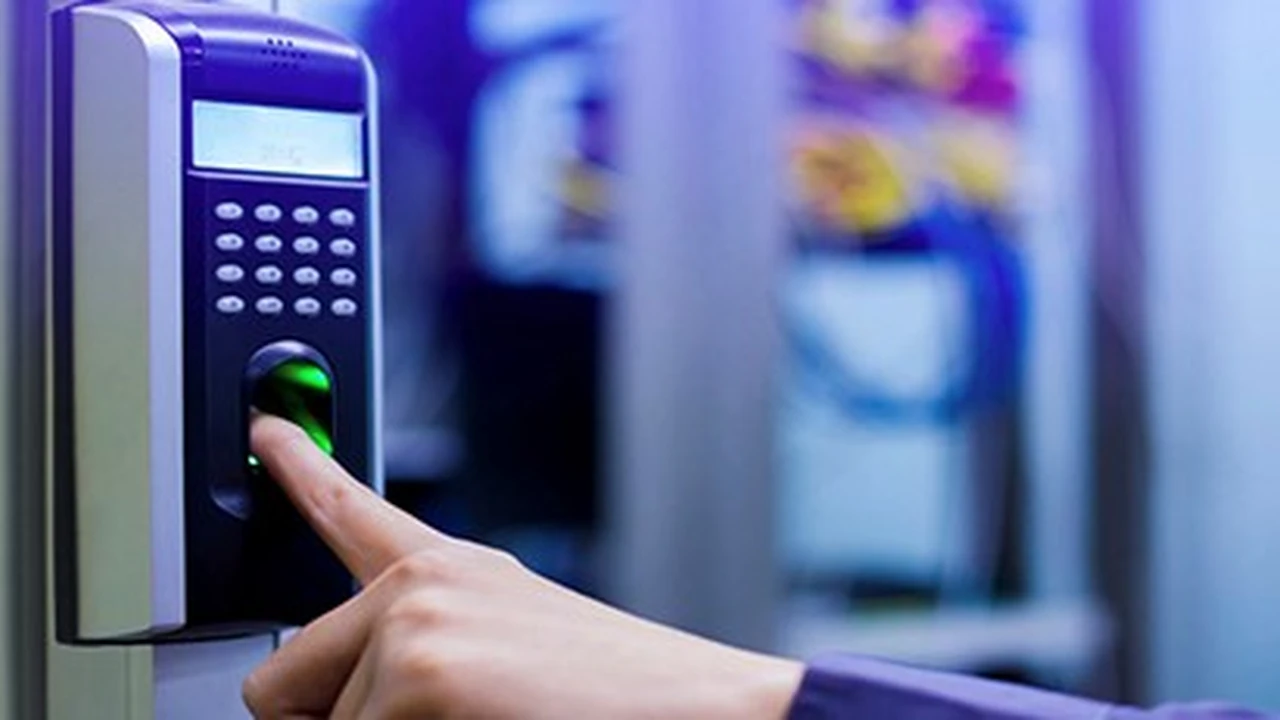
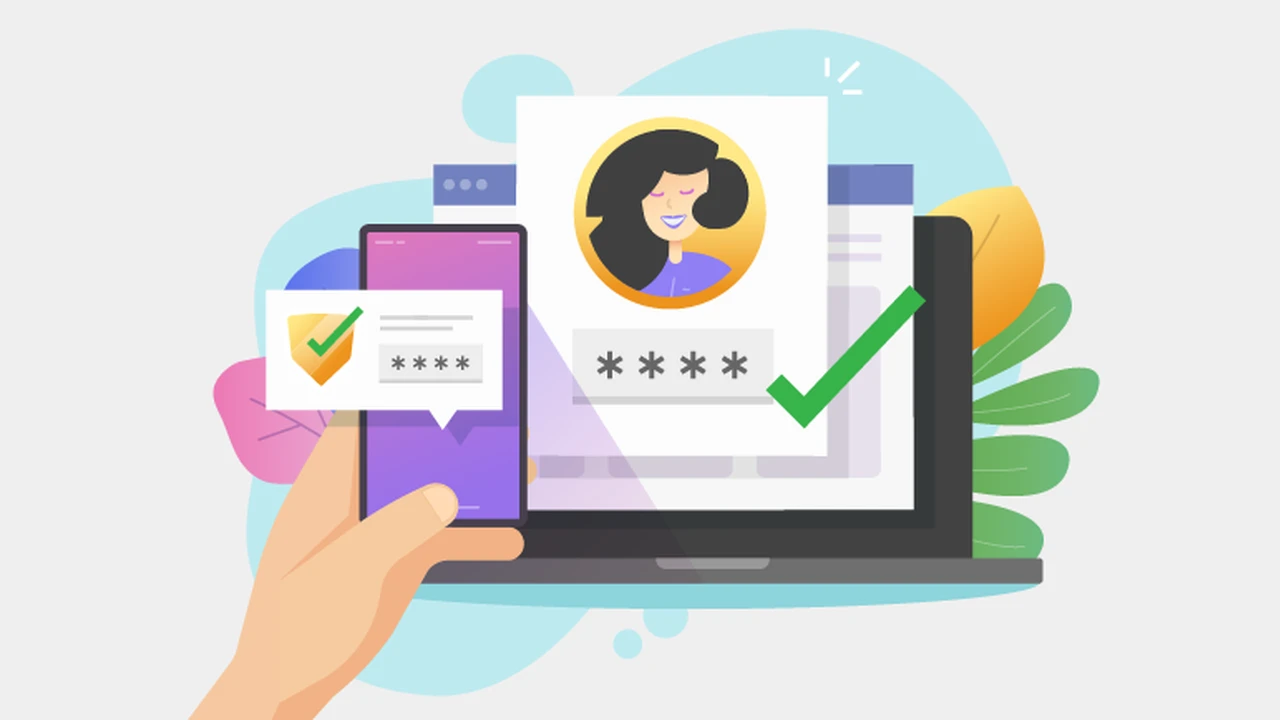
Who gets in and when? Access control is all about managing entry and exit points. Gone are the days of just a simple lock and key. Now, we have sophisticated systems using key cards, fobs, biometric scanners (fingerprint, facial, iris), and even mobile credentials on your smartphone. These systems can be programmed to grant specific access levels to different individuals, track entry and exit times, and even integrate with your HR system. Imagine an employee's access being automatically revoked the moment they leave the company. Brands like LenelS2, Genetec, and Brivo are leaders here. A basic LenelS2 OnGuard system for a small office might start at $5,000-$10,000 for hardware and software, while cloud-based solutions like Brivo Access can have monthly fees starting from $100-$200 plus hardware costs (readers typically $200-$500 each).
Intrusion Detection Systems Alarms Sensors and Perimeter Protection
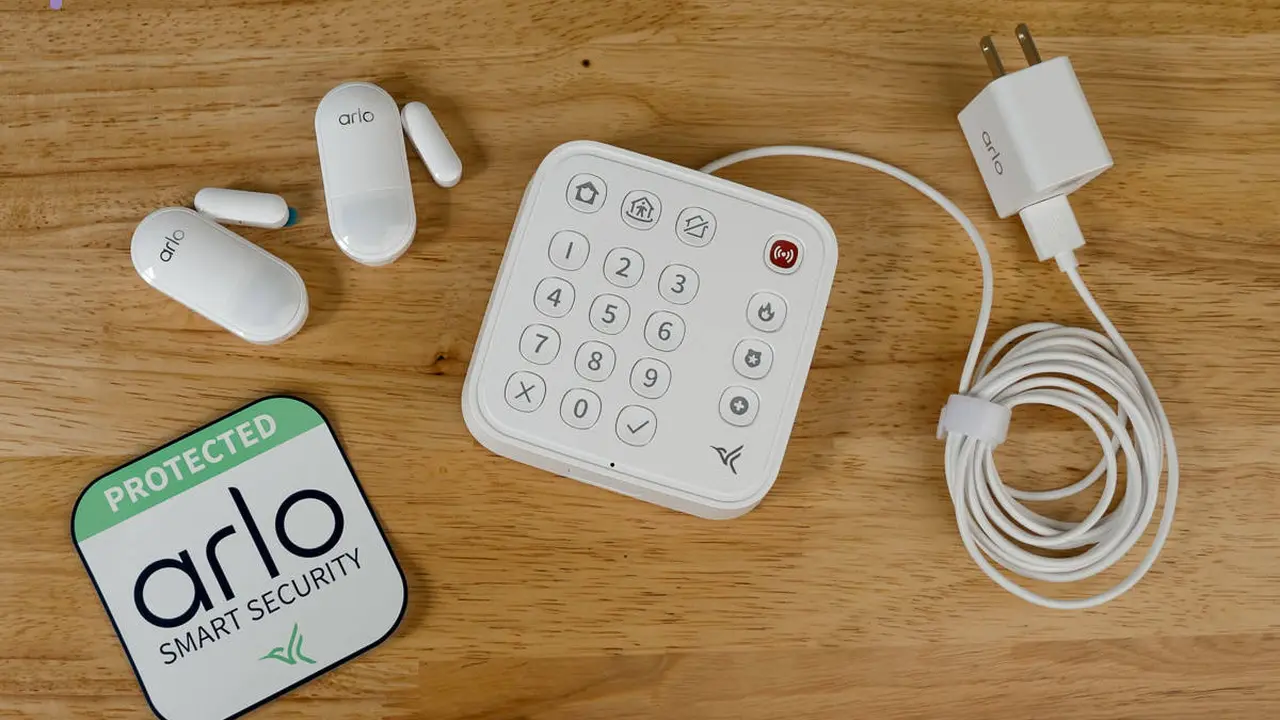
This is your first line of defense against unwanted visitors. Intrusion detection systems include everything from door and window sensors to motion detectors, glass break sensors, and even seismic sensors for vaults. Perimeter protection can involve fence sensors, ground sensors, and even radar. When an intrusion is detected, the system triggers alarms, sends alerts to security personnel, and can even activate other systems like cameras to record the event. Companies like Bosch Security Systems, Honeywell, and DSC (Digital Security Controls) offer comprehensive intrusion solutions. A commercial-grade Bosch B9512G control panel might cost $500-$1000, with individual sensors ranging from $30-$150 each.
Fire and Life Safety Systems Smoke Detectors and Emergency Exits
While often considered separate, fire and life safety systems are increasingly integrated into the broader security framework. This includes smoke detectors, heat detectors, carbon monoxide detectors, sprinkler system monitoring, and emergency exit management. In an integrated system, a fire alarm can automatically unlock emergency exits, shut down HVAC systems to prevent smoke spread, and even direct cameras to the affected area. This integration ensures a coordinated response to emergencies. Brands like Siemens, Johnson Controls, and Notifier are prominent in this space. A commercial fire alarm panel can range from $1,000 to $10,000+, depending on the size and complexity of the building, with detectors costing $50-$200 each.
Intercom and Communication Systems Two Way Audio and Video
Effective communication is vital during a security event. Integrated intercom systems allow for two-way audio and video communication at entry points, within secure areas, and with emergency services. This can be crucial for verifying identities, providing instructions during an evacuation, or simply managing visitor access. Aiphone and Commend are well-known for their robust intercom solutions. A single video intercom station can cost $300-$1000, with a full system for a multi-tenant building running into several thousands.
Integration Platform Choosing the Right Software and Hardware
Now, how do all these pieces talk to each other? That's the job of the integration platform. This is the central nervous system of your security system, typically a software suite that manages and correlates data from all connected devices. It's what allows a motion sensor to trigger a camera recording, or an access control violation to send an alert to security staff. When choosing a platform, look for scalability, ease of use, open architecture (so it can integrate with various brands), and robust reporting features. Genetec's Security Center and LenelS2's OnGuard are industry-leading platforms, often used in large enterprises. These platforms are typically licensed based on the number of devices and features, with initial costs ranging from $10,000 to hundreds of thousands for large-scale deployments, plus ongoing maintenance and support fees. For smaller businesses, cloud-based solutions like Openpath or Verkada offer integrated platforms with simpler pricing models, often subscription-based, starting from a few hundred dollars a month for basic services, plus hardware.
Designing for Scalability and Future Growth Planning Ahead
One of the biggest mistakes people make is designing a system that only meets their current needs. But businesses grow, threats evolve, and technology advances. Your integrated security system should be designed with scalability in mind. Can you easily add more cameras, access points, or sensors in the future without a complete overhaul? Is the platform flexible enough to integrate new technologies as they emerge? Think about modular components and open standards. Investing in a system that can grow with you will save you a lot of headaches and money down the line. For example, choosing an IP-based system from the start makes it much easier to expand your network and add devices compared to older analog systems.
Implementation and Installation Best Practices for Deployment
Once you've designed your system, it's time to bring it to life. This is where professional installation really pays off. A poorly installed system, no matter how good the components, won't perform effectively. Ensure your installers are certified and experienced with the specific technologies you're using. Proper cabling, network configuration, and device placement are critical. For example, cameras need to be positioned to avoid blind spots and glare, and sensors need to be calibrated correctly to prevent false alarms. Don't forget about network infrastructure – a robust and secure network is the backbone of any integrated IP-based system. This might involve dedicated VLANs for security devices and sufficient bandwidth.
Testing and Commissioning Ensuring Optimal Performance
After installation, rigorous testing is non-negotiable. Every component, every integration point, and every scenario needs to be tested. Does a door forced open trigger the correct alarm? Do cameras start recording when motion is detected in a specific zone? Are alerts being sent to the right people? This phase is about fine-tuning the system and ensuring everything works exactly as intended. It's also a good time to train your security personnel on how to use the system effectively. Think of it like a dress rehearsal before opening night – you want to catch any glitches before they become real problems.
Ongoing Maintenance and System Management Keeping Your System Sharp
An integrated security system isn't a 'set it and forget it' solution. Like any complex technology, it requires ongoing maintenance and management. This includes regular software updates, firmware upgrades for devices, cleaning camera lenses, checking sensor functionality, and reviewing system logs. Proactive maintenance helps prevent failures and ensures your system remains effective against evolving threats. Many companies offer service contracts that include regular check-ups and emergency support. This also involves reviewing your security policies and procedures periodically to ensure they align with your system's capabilities and your current risk profile.
Training and User Adoption Empowering Your Security Team
Even the most advanced system is only as good as the people operating it. Comprehensive training for your security team is absolutely essential. They need to understand how to monitor the system, respond to alerts, retrieve footage, manage access credentials, and troubleshoot minor issues. The training should cover both routine operations and emergency protocols. The more comfortable and proficient your team is with the system, the more effectively they can leverage its capabilities to protect your assets and personnel. Regular refresher courses are also a great idea to keep everyone up-to-date with new features or changes.
Budgeting for Your Integrated Security System Cost Considerations
Let's talk money. Integrated security systems are an investment, and costs can vary wildly depending on the scale and complexity. You'll need to budget for:
* Hardware: Cameras, sensors, access control readers, control panels, servers, network equipment.
* Software: Integration platform licenses, video management software (VMS), access control software.
* Installation: Labor costs for professional installers.
* Cabling and Infrastructure: Network cabling, power, conduit.
* Training: For your security personnel.
* Maintenance and Support: Ongoing service contracts, software updates.
* Contingency: Always good to have a buffer for unexpected costs.
For a small to medium-sized business, a basic integrated system might start from $15,000 - $30,000, while large enterprises or critical infrastructure projects could easily run into hundreds of thousands or even millions of dollars. Cloud-based solutions often have lower upfront hardware costs but involve recurring monthly or annual subscription fees. It's crucial to get detailed quotes from multiple vendors and understand the total cost of ownership over several years, not just the initial purchase price.
Real World Examples and Case Studies Success Stories
Let's look at some real-world scenarios where integrated security shines:
* Corporate Campus: A large tech company uses an integrated system where access control badges also serve as time cards. If an employee tries to enter a restricted lab after hours, the system not only denies access but also triggers nearby cameras to record the attempt and alerts security. Fire alarms are linked to the access control to automatically unlock all exits during an emergency.
* Retail Chain: A retail chain integrates its CCTV with point-of-sale (POS) data. This allows them to quickly review video footage associated with suspicious transactions, reducing shrinkage and identifying internal theft. Analytics on the cameras also detect loitering or unusual crowd behavior, alerting staff to potential shoplifting.
* Hospital: Hospitals use integrated systems to manage access to sensitive areas like pharmacies and operating rooms, track valuable medical equipment, and ensure patient safety. Biometric access might be used for high-security zones, while video surveillance monitors common areas. The system can also integrate with infant abduction prevention systems.
* Smart City Initiatives: In smart cities, integrated security solutions combine public surveillance cameras, traffic management systems, and emergency services. This allows for a coordinated response to incidents, from traffic accidents to public safety threats, using a centralized command center.
These examples highlight how different security components, when integrated, provide a much more powerful and cohesive security posture than standalone systems ever could. It's about creating a holistic security ecosystem that protects your assets, people, and operations effectively and efficiently.

:max_bytes(150000):strip_icc()/277019-baked-pork-chops-with-cream-of-mushroom-soup-DDMFS-beauty-4x3-BG-7505-5762b731cf30447d9cbbbbbf387beafa.jpg)