The Future of Smart Home Security Technology
An in-depth look at emerging trends and future innovations in smart home security technology and what to expect.

An in-depth look at emerging trends and future innovations in smart home security technology and what to expect.
The Future of Smart Home Security Technology
Hey there, security enthusiasts! Ever wonder what’s next for keeping your home safe and sound? Smart home security has come a long way from simple alarms, and trust me, the future is looking incredibly cool and, more importantly, super secure. We're talking about systems that don't just react to threats but predict them, integrate seamlessly into your life, and even learn your habits. Let's dive into the exciting world of what's coming next in smart home security.
AI and Machine Learning in Smart Security Systems: Predictive Protection
Artificial Intelligence (AI) and Machine Learning (ML) are no longer just buzzwords; they're becoming the brains behind the next generation of smart home security. Imagine a system that doesn't just tell you when a door opens, but learns your family's routines. It knows when you usually leave for work, when the kids get home from school, and even when the dog walker typically arrives. If something deviates from that pattern – say, a door opens at an unusual time – the system can flag it as suspicious, even before a traditional sensor would trigger an alarm.
This predictive capability is a game-changer. Instead of just reacting to an intrusion, AI-powered systems can analyze patterns, identify anomalies, and even anticipate potential threats. For example, advanced video analytics can differentiate between a falling leaf and a person lurking in your yard, drastically reducing false alarms. Some systems are even starting to use facial recognition to identify known visitors versus strangers, adding another layer of personalized security.
Product Spotlight: While still in early stages for widespread consumer use, companies like Deep Sentinel are already offering AI-powered live surveillance. Their system uses AI to detect potential threats and then has human guards intervene via two-way audio to deter intruders in real-time. This isn't just recording; it's active prevention. The cost for Deep Sentinel typically starts around $399 for a starter kit and then a monthly monitoring fee of $60-$100, depending on the plan. It's definitely a premium option, but for those seeking proactive security, it's worth considering.
Seamless Integration and Interoperability: Your Connected Home Security Hub
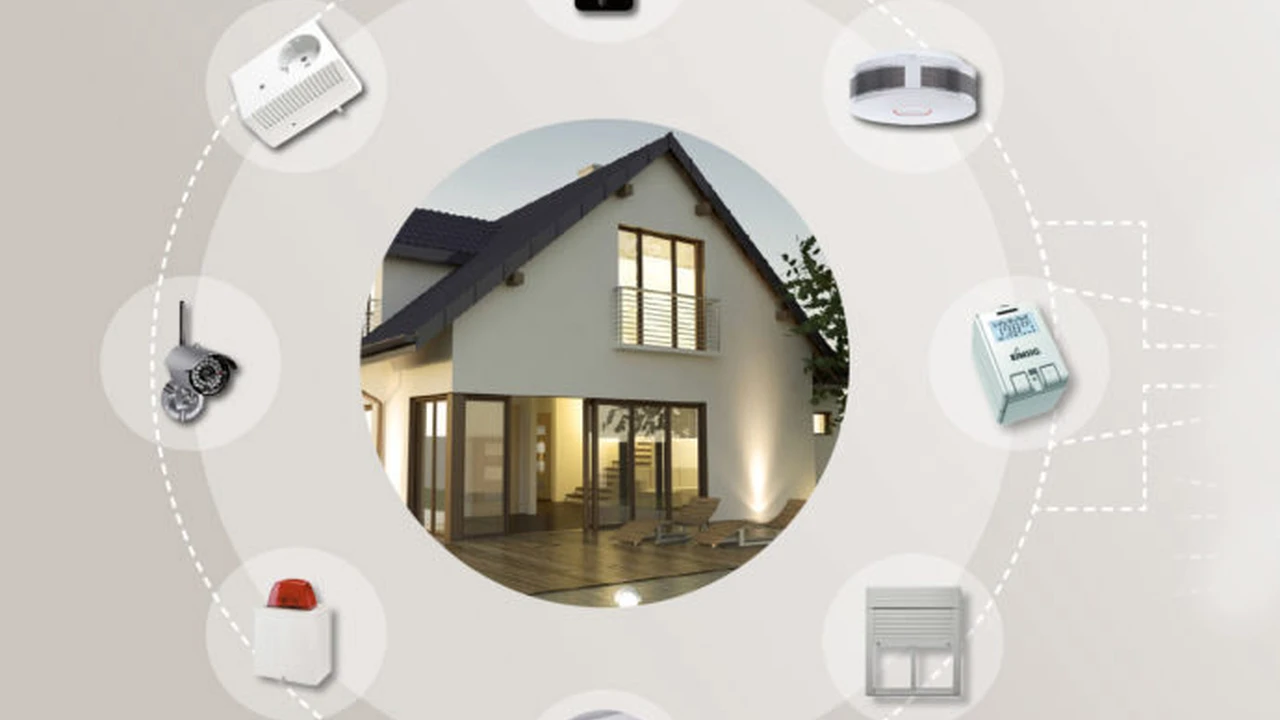
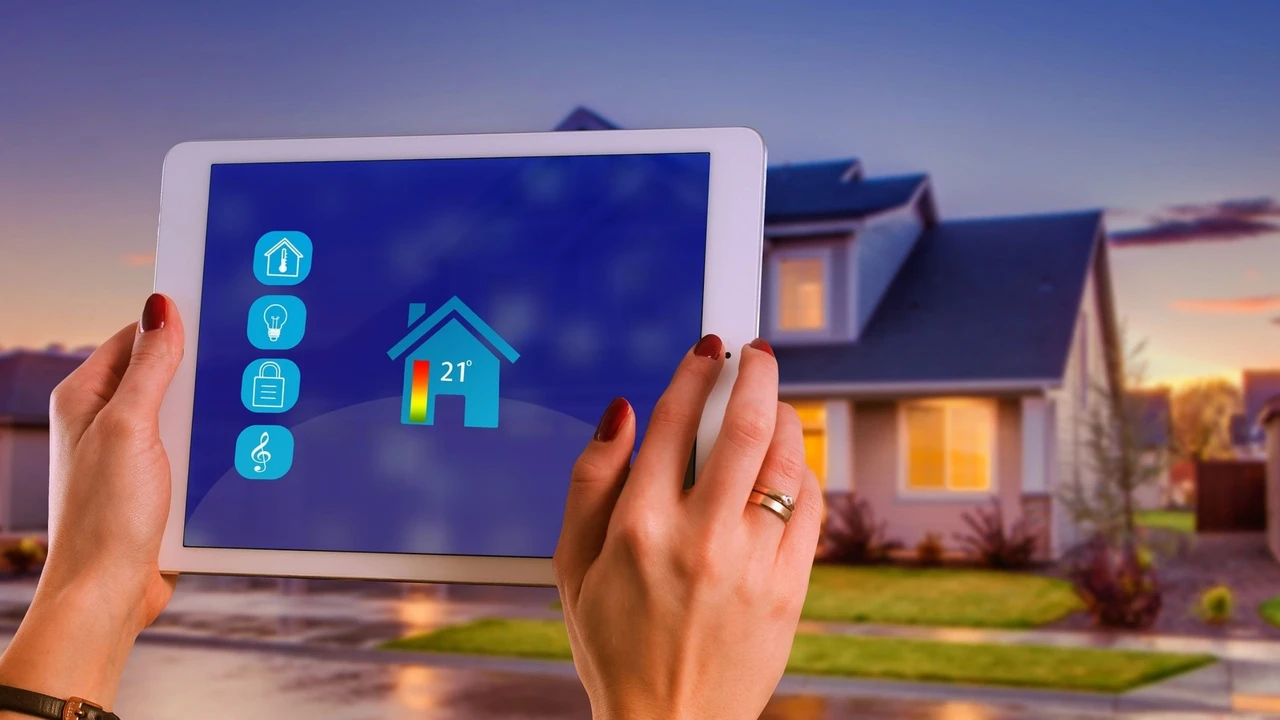
Remember the days of having a separate app for every smart device? Annoying, right? The future of smart home security is all about seamless integration. Your security system won't just be a standalone entity; it will be the central nervous system of your entire smart home. Think about it: your smart locks, lighting, thermostats, and even your smart blinds will all work together to enhance your security posture.
Imagine this scenario: your security system detects an unfamiliar presence. Immediately, your smart lights inside and outside the house flash on, your smart blinds close, and your smart speaker announces, 'Intruder detected, police have been notified.' This level of coordinated response creates a powerful deterrent and provides crucial time for authorities to respond. Open standards and protocols like Matter and Thread are paving the way for this kind of universal compatibility, making it easier for devices from different manufacturers to communicate and cooperate.
Product Spotlight: Systems like Vivint Smart Home excel at this. Vivint offers a comprehensive ecosystem that integrates security cameras, smart locks, smart thermostats, and even garage door controllers into one cohesive platform. Their professional installation ensures everything works together smoothly. Vivint packages typically start around $599 for equipment and then a monthly monitoring fee of $30-$50. Another great example is Ring Alarm Pro, which integrates with Ring's extensive ecosystem of cameras, doorbells, and smart lighting, and even includes a built-in Eero Wi-Fi 6 router for enhanced connectivity. The Ring Alarm Pro kit starts at around $249, with optional Ring Protect Pro monitoring at $20/month.
Advanced Biometrics and Identity Verification: Beyond the Keypad
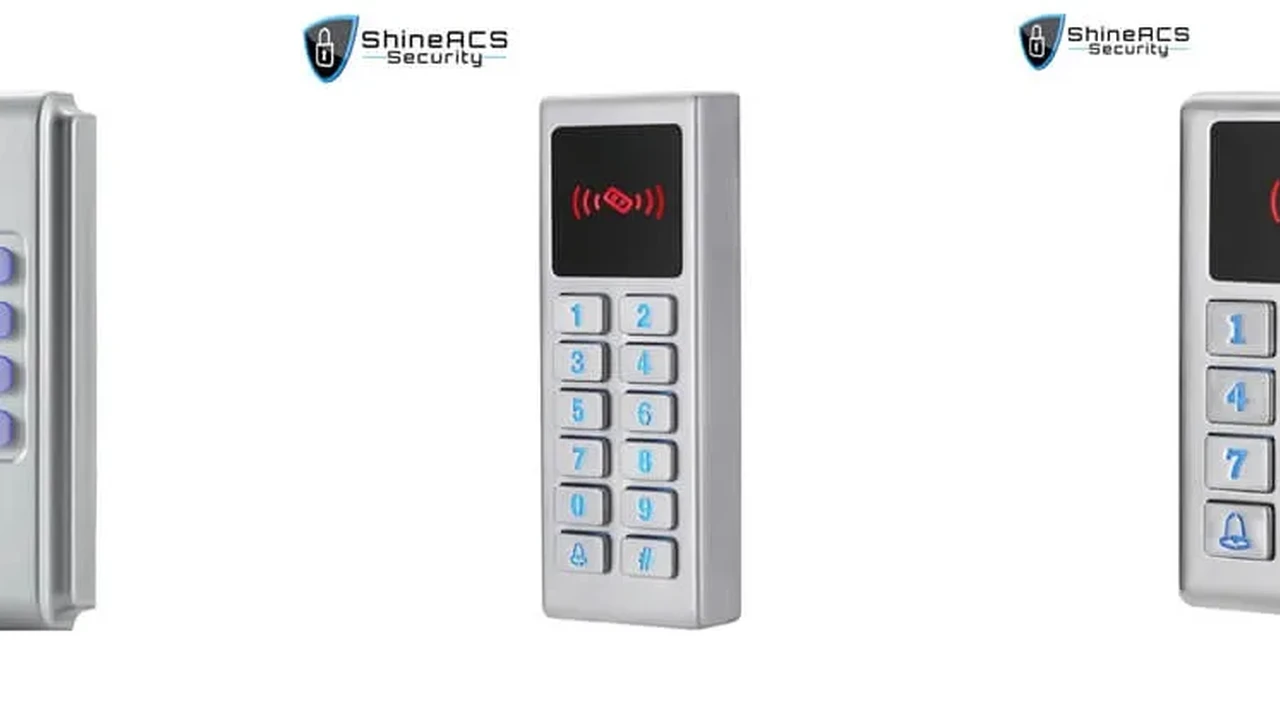
Tired of remembering complex codes or fumbling for keys? Biometric security is set to become a standard feature in future smart homes. Fingerprint scanners, facial recognition, and even iris scans will offer highly secure and convenient access control. This isn't just for unlocking your front door; it can also be used to disarm your alarm system, grant access to specific rooms, or even authorize package deliveries.
Beyond simple access, biometrics can also enhance security by verifying the identity of individuals interacting with your system. Imagine your security camera not just seeing a person, but recognizing them as a family member or a trusted friend, and adjusting security protocols accordingly. This personalized approach minimizes false alarms and ensures that only authorized individuals have access to your home and its systems.
Product Spotlight: While full-scale iris scanning isn't mainstream for homes yet, fingerprint-enabled smart locks are readily available. The Ultraloq U-Bolt Pro WiFi is a popular choice, offering fingerprint, keypad, smartphone, and even magic shake to open options. It retails for around $250-$300. For facial recognition, some high-end video doorbells like the Google Nest Doorbell (wired) offer familiar face alerts, though this is more for notification than full access control. The Nest Doorbell (wired) costs around $229.
Drone and Robotic Surveillance: The Eyes in the Sky and on the Ground
This might sound like something out of a sci-fi movie, but drone and robotic surveillance for home security is already a reality, albeit in nascent stages. Imagine a small, autonomous drone patrolling your property perimeter, providing aerial views and detecting any unusual activity. Or a small robot moving around inside your home, checking for open windows or unusual sounds when you're away.
These devices can offer a level of coverage and flexibility that fixed cameras simply can't match. They can be programmed to follow specific patrol routes, respond to sensor triggers, or even be manually controlled for a closer look at a suspicious area. While privacy concerns are definitely a factor here, the potential for enhanced security, especially for larger properties, is undeniable.
Product Spotlight: Ring Always Home Cam is perhaps the most well-known example here. It's an autonomous indoor drone that flies pre-set paths to investigate disturbances. It's designed to provide multiple viewpoints without needing multiple cameras. It's currently invite-only and priced at $249. For outdoor perimeter surveillance, consumer-grade drones with advanced obstacle avoidance and long battery life could eventually be integrated into security systems, though this is still largely in the conceptual phase for automated home security.
Cybersecurity and Privacy Protection: Securing Your Smart Security
As our smart home security systems become more connected and intelligent, the importance of robust cybersecurity and privacy protection grows exponentially. A smart home security system is only as strong as its weakest link, and a compromised system can open the door to more than just physical intruders. Future systems will prioritize end-to-end encryption, secure authentication protocols, and regular security updates to protect your data and prevent unauthorized access.
Furthermore, transparency in data collection and usage will be crucial. Users will have greater control over their data, understanding what information is being collected, how it's being used, and who it's being shared with. Companies that prioritize user privacy will gain a significant advantage in the market. Look for systems that offer local storage options in addition to cloud storage, giving you more control over your footage.
Key Considerations: When choosing any smart security system, always check for strong encryption standards (like AES 256-bit), two-factor authentication (2FA) for account access, and a clear privacy policy. Companies like Arlo and Eufy are often praised for their commitment to local storage options and strong encryption, giving users more control over their data. Arlo cameras range from $100-$400 depending on the model, and Eufy cameras are typically $50-$200.
Self-Healing and Adaptive Systems: Always On, Always Learning
Imagine a security system that can detect a malfunction, diagnose the problem, and even fix itself, or at least alert you to the exact issue and suggest a solution. This is the concept of self-healing and adaptive security systems. These systems will continuously monitor their own performance, identify vulnerabilities, and adapt to new threats. If a sensor goes offline, the system might automatically reroute surveillance to another camera or send you a specific alert.
This level of resilience ensures that your home remains protected even in the face of component failures or evolving threats. It also means less maintenance for you and greater peace of mind knowing your system is always operating at its peak. This is largely driven by advanced AI and machine learning algorithms that can learn from past events and optimize system performance over time.
Future Outlook: While fully self-healing systems are still a ways off, current systems are already incorporating elements of this. Many smart security hubs can notify you if a sensor battery is low or if a camera loses connection. Companies like SimpliSafe offer robust self-diagnostics within their app, guiding users through troubleshooting steps. SimpliSafe systems start around $200-$500 for equipment, with optional professional monitoring at $18-$28/month.
Hyper-Personalization and User Experience: Security Tailored to You
The future of smart home security isn't just about advanced technology; it's also about creating a highly personalized and intuitive user experience. Systems will be able to adapt to individual preferences, offering customized alerts, automated routines, and even personalized security zones. Imagine a system that automatically disarms when your car pulls into the driveway, or one that sends a specific alert to your phone if your child arrives home early.
Voice control will become even more sophisticated, allowing for natural language commands and complex security scenarios. The goal is to make security so seamless that it fades into the background of your daily life, only becoming prominent when it truly needs your attention. This focus on user experience will make smart home security more accessible and appealing to a wider audience.
Product Spotlight: Many current systems already offer good personalization. Abode Security Systems, for example, allows for extensive customization of automations and alerts through its CUE automation engine. You can set up complex rules based on time, location, and device status. Abode starter kits range from $150-$300, with optional monitoring plans from $7-$20/month. Integration with voice assistants like Amazon Alexa and Google Assistant is also becoming standard across most major brands, offering hands-free control.
So, there you have it! The future of smart home security is bright, intelligent, and incredibly exciting. From AI-powered predictive protection to autonomous drones and hyper-personalized experiences, our homes are set to become safer and smarter than ever before. Keep an eye out for these innovations as they continue to roll out and transform how we protect what matters most.
:max_bytes(150000):strip_icc()/277019-baked-pork-chops-with-cream-of-mushroom-soup-DDMFS-beauty-4x3-BG-7505-5762b731cf30447d9cbbbbbf387beafa.jpg)